When I first considered transitioning into the mortgage industry, my biggest question was simple: how do loan officers actually get paid, and is the income as high as everyone says? If you are looking to change careers or become a licensed loan officer, understanding the commission structure is crucial. Let's dive straight into how much you can realistically earn and how those paychecks land.
Key Takeaways
Commission Structure: Most loan officers earn a percentage of closed loans, typically ranging from 0.5% to 2.5%.
Diverse Pay Models: Compensation ranges from pure commission to salary-plus-commission.
Regulatory Limits: Federal laws prevent pay variations based on loan interest rates.
Realistic Income: Average annual earnings span from $74,000 to over $180,000 based on loan volume.
Do Loan Officers Get Commission?
Yes, the vast majority of mortgage loan officers are compensated primarily through commissions. In my experience, this commission-driven model is what attracts top-tier talent, as it directly ties your hard work to your earning potential. Depending on the company you work for, you will typically encounter one of three main compensation structures:
Commission-Only: Common at independent brokerages. You receive no base salary, but you earn the highest possible percentage of the loan amount.
Salary Plus Commission: Salary, salary-plus-bonus, fixed-per-loan pay, and commission-based models may all be used at banks and credit unions.
Flat Fee: Some lenders use a fixed amount per loan, and whether that model applies to junior originators depends on the employer.
How Much Commission Does a Loan Officer Make?
On average, a loan officer earns between 0.5% and 2.5% in commission per closed loan, with 1% being the typical industry standard. In many cases, commission is calculated based on the loan amount rather than the purchase price, though pay structures vary by lender.
To see how the math works, imagine you close a $400,000 mortgage. At a 1% commission rate, the gross commission paid to your brokerage is $4,000. However, you don't pocket all of it. Your net payout depends on your negotiated commission split. If you have an 80/20 split with your broker, you will take home $3,200, while the brokerage retains $800 to cover overhead. In my early days, negotiating a fair split was just as important as generating the leads themselves, so always review your brokerage contract carefully.
Average Salary of Loan Officers
Because commissions fluctuate with the housing market, annual earnings vary widely. According to the U.S. Bureau of Labor Statistics, the median annual wage for loan officers is $74,180, with the top 10% of earners clearing more than $145,780. Meanwhile, job platforms like Indeed report average annual salaries exceeding $185,000, heavily driven by high-volume, commission-only originators.
From what I've seen in the field, your actual income depends heavily on your geographic region, local home prices, and your referral network.
This wide spectrum proves that while the floor is low for those who struggle to find clients, the ceiling is virtually non-existent for driven professionals.
In many commission-based roles, pay is triggered when the loan closes and funds, but some lenders use salary or hybrid compensation structures. Once the loan is funded, the closing agent distributes the gross commission to your brokerage, which then processes your split.
Many brokerages utilize a "draw against commission" system. This means they provide you with a regular advance payment to cover living expenses, which is later deducted from your earned commissions. Federal rules prohibit mortgage loan originator compensation from varying based on loan terms or conditions, including interest rate, fees, or other covered terms.
FAQs About Loan Officer Commission
Q1. How much commission do loan officers make on a $500,000 loan?
On a $500,000 loan, a standard 1% commission generates $5,000 gross. If your contract dictates an 80/20 split, you will personally earn $4,000. Under a bank's salary-plus-commission model, you might earn a much lower flat bonus, such as $500 to $1,000, but with a guaranteed base.
Q2. Will MLO be replaced by AI?
No, AI will not replace mortgage loan officers. While automated systems are excellent for processing paperwork, uploading documents, and verifying credit scores, borrowers still demand human guidance. Navigating a mortgage is highly emotional and legally complex. Real estate agents and buyers want a trusted human professional to solve sudden underwriting issues, offer empathy, and negotiate complex financial scenarios.
Q3. Do loan officers get commission in California?
Yes, but California enforces strict labor laws. All California loan officers must receive at least the state's minimum wage of $16.90 per hour for all hours worked, regardless of closed deals. If an MLO is classified as non-exempt, employers must also pay overtime. Thus, pure commission plans in California are highly regulated to protect employee wages.
Q4. How much does a loan officer make per loan?
Typically, a loan officer nets between $2,000 and $5,000 per closed loan. This estimate assumes a standard loan size of $300,000 to $500,000 and a typical commission split, though high-end luxury loans can yield significantly higher single-payday results.
Q5. Do loan officers pay for their own marketing and leads?
It depends on your business model. In my experience, commission-only independent brokers must fund their own marketing, CRMs, and lead generation, which eats into their profits but offers higher commission splits. Conversely, retail bank loan officers receive company-provided leads and marketing support, but accept a much lower commission percentage in return.
Conclusion
Navigating the world of loan officer commission can seem complex at first, but it ultimately offers one of the most rewarding financial paths in the real estate sector. Whether you choose the stability of a retail bank or the unlimited earning potential of an independent brokerage, your success will depend entirely on your work ethic and ability to build strong referral relationships.
If you are ready to take control of your financial future, your next step is to research your state's licensing requirements and prepare for the National Mortgage Licensing System exam. The effort is significant, but the payoff is entirely in your hands.
What is a mortgage loan origination fee? Learn why lenders charge it, see a real cost breakdown (usually 0.5%-1%), and find out how to negotiate it down.
I recently saw a Reddit post from a first-time homebuyer experiencing severe sticker shock. They were borrowing $285,000 but faced a 1.36% origination fee (about $3,835) plus a $1,795 admin fee. That's over $5,600 just to get the loan started!
They panicked, asking if this was normal. If you've just received your Loan Estimate and are staring at similar numbers, don't worry. Let's break down exactly what this fee means and how you can save.
Key Takeaways
Origination fees often fall around 0.5% to 1% of the loan amount, though some lenders charge flat fees or structure costs differently.
This charge covers the lender's administrative work, including underwriting, processing, and document preparation.
You'll pay this fee at closing, but you can sometimes roll it into your loan balance.
Origination costs are highly negotiable. Shopping around and comparing Loan Estimates is the best way to lower them.
What is the Loan Origination Fee on a Mortgage?
Whenever clients ask me about the mortgage loan origination fee, I tell them to think of it like the service charge at a fancy restaurant. Essentially, it is the upfront price you pay a lender or broker for doing the heavy lifting to create, evaluate, and fund your mortgage.
Creating a home loan isn't automated magic. It takes human effort and technology. Lenders have to pull your credit, verify your income, assess the property's risk, and ensure everything complies with federal regulations. The origination fee compensates them for this labor.
Instead of hiding these operational costs entirely within your interest rate, lenders list them out so you know exactly what you're paying for the service itself. While seeing a massive charge on your paperwork is frustrating, understanding that you're paying for a specialized financial service makes it a bit easier to swallow.
Is Mortgage Loan Origination Fee Necessary?
Yes, it typically is necessary. Lenders are running a business, and this fee is one of the ways lenders recover the operational costs of processing your loan, alongside interest income and secondary market revenue.
However, while the cost exists, you don't always have to pay it out of pocket. As I'll explain later, savvy borrowers can use strategic negotiations or lender credits to effectively reduce their upfront cash requirement to zero.
What Does a Loan Origination Fee Cover?
The term 'origination fee' isn't just one single charge. In my experience reviewing closing disclosures, it actually acts as an umbrella term bundling several administrative costs together. Depending on how your lender itemizes things, this fee usually covers:
Application fee: The cost to initiate your file.
Underwriting fees: The heavy analysis of your financial risk and creditworthiness.
Processing fees: Gathering and verifying your documents.
Document preparation fee: Drafting the massive stack of legal paperwork.
Tax service processing fee: Ensuring property taxes are tracked accurately.
Courier and Wire transfer fees: Moving physical documents and funding the loan.
While some lenders bundle multiple administrative costs together, not all of the following are technically part of "origination charges" under CFPB definitions. Items like tax service fees, courier fees, and wire transfer fees are often listed separately under other closing cost sections.
How Much is a Loan Origination Fee?
In the U.S. market, a standard loan origination fee averages between 0.5% and 1% of your total loan amount. For context, recent federal housing data shows average origination costs hovering around $3,800.
So, how do you know if you're getting ripped off? If we look back at that Reddit user facing a 1.36% charge plus nearly $1,800 in extra admin fees, that is undoubtedly on the high end. Fees above 1% are on the higher side, but they can be reasonable depending on factors like loan size, credit profile, or whether you're working with a broker. Conversely, anything below 0.5% is considered exceptionally low.
But here is the catch: mortgage pricing is a see-saw. A lender offering a 'low' or 'zero' origination fee isn't doing it out of charity. They are almost certainly charging you a higher interest rate to make their money on the back end. On the flip side, paying a standard 1% fee might secure you a much lower monthly payment. As a borrower, you have to decide if you'd rather pay cash upfront or interest over the next 30 years.
Let's look at a realistic scenario so you can see the math in action. Imagine you are buying a $400,000 house and putting down 20% ($80,000). That leaves you with a mortgage loan amount of $320,000.
If your lender charges a typical 1% origination fee, you will owe $3,200. On your official paperwork, instead of one lump sum, you might see this broken down into a few line items like this:
Underwriting Fee: $1,200
Processing Fee: $1,000
Document Preparation: $500
Application Fee: $500
Total Origination Charge: $3,200
Keep in mind, the fee percentage is always calculated based on the loan amount, never the total purchase price of the home.
When and How to Pay the Loan Origination Fee?
You won't have to hand over a credit card when you first apply. The origination fee is finalized and paid on your Closing Day as part of your overall closing costs.
When it comes time to settle up, you generally have three options:
Out of pocket: You pay it directly using a cashier's check or wire transfer along with your down payment.
Rolled into the loan: In some cases—more commonly with refinances, or if your loan-to-value ratio allows—you may be able to roll certain costs into the loan balance. For home purchases, this is often achieved indirectly through lender credits tied to a higher interest rate.
Lender Credits: You can accept a slightly higher interest rate. In exchange, the lender gives you credits to cover the origination costs entirely, effectively making it a 'no-closing-cost' mortgage.
Crucial Things to Know About Mortgage Origination Fees
Before you sign anything, there are a few critical nuances I always urge homebuyers to understand to protect their wallets.
First, know exactly where to spot these charges. Lenders are legally required by the Consumer Financial Protection Bureau (CFPB) to clearly itemize this under Section A ("Origination Charges") on Page 2 of your Loan Estimate and Closing Disclosure.
Second, don't confuse origination points with discount points. This is a common trap. Origination points are the lender's mandatory service fees. Discount points, however, are completely optional prepaid interest. You can choose to buy discount points to permanently lower your interest rate, but they shouldn't be hidden as a mandatory origination fee.
Finally, remember the power of negotiation. These fees are not set in stone! The absolute best strategy is to get Loan Estimates from at least three different lenders. If Lender A has great service but high fees, show them Lender B's cheaper paperwork and ask for a price match. Often, they'll drop their origination fee to win your business.
FAQs About Mortgage Loan Origination
Q1. Are loan origination fees tax deductible?
Generally, no. The IRS doesn't allow you to deduct standard service fees like underwriting or processing. However, if your 'origination charges' actually include discount points paid to secure a lower interest rate, those might be deductible as prepaid mortgage interest. Always consult your CPA for specifics.
Q2. Do you get your origination fee back?
No, you don't. Once your loan closes, this fee is non-refundable because the lender has already performed the work. Even if you refinance the house or pay off your mortgage entirely just six months later, that initial service charge will not be returned to you.
Q3. Can a loan origination fee be waived?
Yes, practically speaking. You can negotiate a 'no-closing-cost' mortgage where the lender waives or covers the origination fee. However, they aren't working for free. To compensate for dropping the upfront fee, the lender will simply charge you a higher monthly interest rate.
Q4. Why is my origination fee so high?
It could be high for a few reasons. If you have a small loan balance, lenders often charge a flat minimum fee. Alternatively, a low credit score might increase underwriting complexity, or your lender may have bundled optional discount points into the total origination charge.
Q5. How to negotiate the origination fee?
The secret is to shop around. Get official Loan Estimates from at least three different banks, credit unions, or brokers. Take the estimate with the lowest origination fee and present it to your preferred lender, asking them to match or beat their competitor's pricing.
Q6. How to finance a loan origination fee?
You can roll the fee into your loan balance so you don't pay cash upfront. However, this only works if your home's loan-to-value (LTV) ratio allows for the slightly larger loan size. Keep in mind, financing the fee means you'll pay interest on it for years.
Final Thoughts
Getting fixated on finding the lowest possible origination fee is a common rookie mistake. While saving money upfront feels great, a lender offering zero fees might be masking a terrible interest rate.
When comparing your mortgage options, my best advice is to focus heavily on the APR (Annual Percentage Rate). The APR gives you the honest, big-picture cost of borrowing because it blends both your interest rate and those upfront origination costs into one single number. Do your homework, gather multiple quotes, and don't be afraid to negotiate. You have more power in this transaction than you think.
Find the best mortgage loan processor training for beginners in 2026. Compare top free and paid courses, master core skills, and launch your career today.
When I first transitioned into mortgage processing, the avalanche of industry acronyms, federal regulations, and complex tax return calculations completely overwhelmed me. I remember scouring Reddit threads where absolute newbies shared my exact anxiety. Shadowing senior staff who effortlessly handled credit lines was helpful, but watching someone else work rarely translates into muscle memory.
To truly bridge the gap between theoretical knowledge and real-world loan files, you need structured training. A systematic approach will help you overcome the steep learning curve and rapidly sharpen your professional skills so you can confidently clear conditions.
Key Takeaways
Master the Core Fundamentals: Your daily grind requires expertise in auditing URLA 1003s, crunching income data, and satisfying TRID compliance.
Choose the Right Educational Path: Pathways range from budget-friendly YouTube crash courses to prestigious, paid certifications from the MBA or NAMP.
Embrace Mortgage Tech: Modern processors rely heavily on AI tools like Zeitro to automate guideline searches and streamline workflows, saving countless hours on file stacking.
Know What Skills to Learn as a Loan Processor
Before paying for a course, understand exactly what this job demands. You must master actionable procedures, not just vocabulary.
Applications & Disclosures: You will meticulously review the initial URLA (1003) and guarantee strict alignment with federal mandates like TRID.
Document Verification: Expect to comb through W-2s, self-employed tax returns, and complex employment histories to prove borrower stability.
File Stacking: Assemble the complete loan package logically so the underwriter can approve it without kicking it back.
Leveraging Mortgage AI: I highly recommend using platforms like Zeitro Strata. It instantly searches all Agency guidelines (Fannie Mae, FHA, VA), runs loan scenarios, and handles income calculations, keeping newbies from drowning in massive PDF manuals.
The market offers a massive variety of educational resources. Which route you take ultimately depends on your current budget, existing industry experience, and whether you need an employer-recognized certificate to land your very first job. Let's break down the top options.
YouTube (Free)
If you are an absolute beginner with zero budget, this should be your very first stop. When I initially dipped my toes into the industry, YouTube was my saving grace for deciphering the endless sea of mortgage lingo. I suggest typing highly specific phrases into the search bar, such as "how to complete a 1003" or "mortgage processing 101." Many veteran originators and brokers post incredible, screen-share walkthroughs of their daily pipeline management.
However, you must stay vigilant regarding upload dates. Mortgage regulations, agency guidelines, and standardized forms evolve constantly. A video published back in 2019 might feature outdated TRID disclosure timelines or obsolete versions of the URLA. Always filter your search results for content posted within the last twelve to eighteen months to guarantee you are studying the most current lending environment.
Mortgage Bankers Association (MBA)
When you are ready to invest in a gold-standard credential, the MBA's "Residential Loan Processor Certificate Package" is widely recognized in the industry, particularly among larger lenders and banking institutions. Pricing is typically around $550 for MBA members and about $1,100 for non-members, though this may change over time.
The program generally includes multiple self-paced modules totaling around 30 hours of study. You will dive deep into foundational origination procedures, property appraisal evaluations, fraud detection techniques, and heavy regulatory compliance. I particularly like how this curriculum bridges the gap between basic data entry and actual risk mitigation. If you are aiming for a corporate role at a major retail lender or traditional bank where formal educational backing dictates your starting salary, securing this specific certificate will give you a massive competitive advantage.
National Association of Mortgage Processors® (NAMP®)
For those who want training hyper-focused solely on the processing niche, NAMP is a well-recognized organization within the mortgage processing niche. Their flagship offering, "The Official NAMP® Processor Boot Camp™," typically runs about $995.
What makes NAMP stand out is their intensely practical, 100% online curriculum. You are not just reading dry compliance text. You learn actionable strategies for FHA/VA file handling and complex tax return analysis. Completing their programs can help you work toward earning the NAMP-CMLP designation, which may require additional experience or qualifications.
I always recommend this specific pathway to anyone looking to make processing a long-term, lucrative career rather than just a stepping stone to underwriting. It proves to prospective wholesale lenders and brokerages that you possess serious, specialized expertise in moving complex borrower files straight to the closing table.
ICE Mortgage Technology (formerly Ellie Mae)
Since Encompass is one of the most widely used loan origination systems in the lending market, learning its specific ecosystem is incredibly strategic. ICE Mortgage Technology offers a phenomenal, quick-hit course typically priced around $63 in 45 minutes.
Usually takeing under an hour to complete, this self-study module won't make you an expert overnight, but it flawlessly illustrates how the processing role physically functions within their proprietary software. The curriculum heavily emphasizes utilizing the Uniform Residential Loan Application (URLA) directly within the LOS. If you recently landed a job at a company running on Encompass, or you know your target employers utilize it, taking this specific training is a no-brainer. It allows you to skip the clumsy software-fumbling phase and immediately start navigating digital files, ordering third-party services, and communicating with underwriters efficiently.
Bank Training Center
If you plan to work inside a traditional depository bank rather than an independent broker shop, the Bank Training Center (partnered with CampusMortgage) is your best bet. Their foundational module, "Loan Processing 101 - The Basics," costs $395, while their comprehensive Boot Camp sits at $995.
I appreciate this platform because it heavily targets the strict banker environment. Beyond teaching you standard DTI and LTV calculations, their curriculum dives deep into the rigid compliance standards unique to banking institutions, such as TRID, HMDA, BSA/AML, and UDAAP regulations. The instructors focus on fixing bad habits and teaching proper file structuring from day one. If your career goal involves handling portfolios for a credit union or a large retail banking entity, this training directly aligns with the rigorous internal audit standards you will face daily.
Udemy
When you want structured video learning without spending a fortune, Udemy serves as a fantastic, budget-friendly alternative. Depending on their frequent seasonal sales, you can typically grab comprehensive courses covering mortgage terminology or basic underwriting tasks for anywhere between $15 and $150.
Because anyone can upload a course, the quality varies wildly. You might find a hidden gem taught by a 20-year industry veteran, or a poorly recorded slideshow that barely scratches the surface. Before hitting the purchase button, I highly advise aggressively scrutinizing the student reviews. More importantly, check the "Last updated" date stamped on the course page. If the material hasn't been refreshed since 2025, walk away. The lending landscape shifts too rapidly to risk memorizing outdated loan limits, automated underwriting system (AUS) rules, or legacy disclosure timelines.
Considerations Before Starting Mortgage Loan Processor Training
Before committing to a specific program, weigh these crucial factors so you don't waste time or money:
Your Budget: Determine if you should exploit free introductory content first or if you are financially ready to drop $1,000+ on a prestigious industry designation.
Target Career Path: Are you aiming for a retail bank, a wholesale lender, or working as a 1099 independent contractor? Depository banks require vastly different compliance knowledge compared to nimble brokerages.
Company Tech Stack: Find out what software your future employer uses. If they are locked into Encompass, prioritize ICE's official platform training over generic alternatives.
Licensing Requirements: Depending on your state and employment type, you might need an active NMLS license. W-2 employees at direct lenders usually don't need one, while independent contract processors typically do.
FAQs About Mortgage Loan Processor Training
Q1. Do I need a license to be a mortgage loan processor?
Generally, if you work as a W-2 employee directly for a bank or direct lender, you do not need an individual license. However, requirements vary by state. In some cases, independent contract processors may need an NMLS license, especially if they perform loan originator activities
Q2. How long does it take to complete loan processor training?
It entirely depends on the platform's depth. Short software introductions, like those from ICE, take roughly 45 minutes. Conversely, comprehensive certification tracks from the MBA or NAMP demand around 30 hours of rigorous study, which might take several weeks to fully absorb.
Q3. Are paid mortgage loan processor courses worth it?
Yes, absolutely—especially if you leverage MBA or NAMP credentials to negotiate a higher starting salary or secure a promotion. However, if you are a total novice who cannot yet define basic industry acronyms, stick to free resources until you are certain this career fits you.
Q4. What is the best loan origination software (LOS) to learn?
Encompass, developed by ICE Mortgage Technology, remains the undisputed industry heavyweight and is used by many large lenders and financial institutions. Understanding its interface gives you a massive hiring advantage. Other prominent systems worth exploring include Calyx Point and Arive, which are incredibly popular among independent mortgage brokers.
Q5. Is loan processing hard for a beginner?
The initial learning curve is notoriously steep due to the aggressive compliance rules, complex tax return math, and endless acronyms. Yet, by completing structured training and utilizing modern AI tools to interpret guidelines, many people can become comfortable in the role within a few months, though mastery often takes significantly longer depending on deal complexity.
Conclusion
Stepping into the mortgage industry doesn't require emptying your wallet on day one. I always advise newcomers to hold off on spending cash immediately. Start by searching YouTube for walkthroughs on completing the 1003 and basic lingo tutorials. Once you feel confident you actually enjoy the workflow, invest in authoritative credentials from NAMP or the MBA to boost your resume.
Most importantly, succeeding in 2026 means embracing technology. Knowing how to calculate income manually is great, but leveraging AI platforms like Zeitro Strata to cross-reference agency guidelines instantly will separate you from the pack. Master the fundamentals, lean heavily on modern tech tools, and you will quickly transform from a nervous newbie into a top-tier loan processor.
What is mortgage loan origination? Discover how the process works, typical costs (0.5%-1%), and expert tips to negotiate fees and speed up your closing.
We all love the idea of getting the keys to a new place, but dealing with mortgage paperwork? That's a different story. As a homebuyer, mortgage loan origination is one of the earliest and most important steps you'll face. Figuring out how this phase works isn't just about learning bank jargon. It's your secret weapon for avoiding stressful delays and actually saving money on closing costs. Let's break down exactly what you need to know.
Key Takeaways
The bottom line: Mortgage loan origination covers the entire journey your lender takes to create, process, and ultimately fund your home loan.
What you'll pay: Expect to see an origination fee that often runs about 0.5% to 1% of the loan amount, though it can vary depending on the lender and loan structure.
The big difference: Origination is all about gathering and organizing your file, while underwriting is the final "yes or no" decision on your money.
What is Loan Origination for a Mortgage?
I've noticed a lot of first-time buyers think getting a mortgage happens in one shot. You ask for money, and the bank eventually says yes. Actually, it's a much more involved administrative process called loan origination.
Think of it as the timeline starting from the minute you hand in your initial application right up to the day the lender gets your funds ready for closing. Why do lenders put you through the wringer? Mostly, it's about risk. They can't just wire hundreds of thousands of dollars based on a handshake. They use this phase to double-check your identity, dig into your financial health, and make sure that property is actually worth the asking price.
In my experience, if you view origination as building a solid financial relationship with your lender rather than just "filling out forms," the strict rules start to make a lot more sense. It's the foundation of your entire home purchase.
4 Stages of the Loan Origination Process
The whole timeline feels way less intimidating once you chop it into bite-sized pieces. If you know what's coming, you can actually help speed things up.
1. Pre-approval and Pre-qualification
Ideally, you should complete this step before seriously shopping for a home or making an offer. You'll share basic financial details, allowing the lender to run a credit check and tell you how much house you can afford.Please don't open new credit cards or buy a car right now. A sudden credit ding can kill your pre-approval fast.
Found the house and got your offer accepted? Great. Now you officially apply by filling out the Uniform Residential Loan Application (often called the 1003 form).Fill this out honestly, detailing the property and your personal info. In return, the lender is generally required to provide a Loan Estimate within three business days after receiving a complete application, breaking down your expected rate and closing costs.
3. Processing and Verification
This is the grunt-work phase. A loan processor steps in to make sure every claim on your application is backed by hard evidence. They'll order the property appraisal, call your boss to verify employment, and scrutinize your bank statements.Processors hate mystery money. If you have large, unexplained cash deposits in your checking account, prepare to write letters explaining exactly where they came from.
Finally, your thick file lands on the underwriter's desk. They are the ultimate decision-makers. They assess the risk and decide if you're good for the money. If you pass, you get a "Clear to Close," meaning you're ready to sign the final papers and get your keys.
Requirements of Loan Origination
Want a secret to a stress-free mortgage? Have your documents ready before the loan officer even asks. Doing this upfront easily shaves days off your timeline. Here's the standard checklist you'll need to pull together:
Government ID: A current driver's license or US passport.
Proof of Income: Your two most recent W-2s and about a month's worth of recent pay stubs.
Tax Returns: The last two years of your 1040s (super important if you're a freelancer or business owner).
Asset Proof: The past 60 days of bank statements across checking, savings, and retirement accounts. They need to see you actually have the cash for the down payment.
Let's look at how this plays out in real life. Imagine John is buying his first place in Texas for $400,000. He is putting down 20% ($80,000), meaning he needs to borrow $320,000.
John heads to a local lender to kick off the origination process. He hands over his 1003 application, his W-2s, and bank statements. The bank charges him a 1% origination fee on his $320,000 loan amount.
Over the next month, the bank's processor orders an appraisal to verify the house is truly worth that 400k price tag. Once John's financial puzzle is fully assembled, the file goes to the underwriter. They review the risk, confirm John is a solid borrower, and officially approve the $320,000.
How Much Does Loan Origination Cost?
So, what's the damage? In the U.S., a typical loan origination fee usually lands between 0.5% and 1% of your total borrowed amount. Using John's $320,000 mortgage as an example, his fee would run anywhere from $1,600 to $3,200.
You don't have to write a check for this on day one, though. It is typically included as part of your total closing costs, which you may pay upfront or, in some cases, roll into the loan depending on the structure.
These fees aren't always set in stone. I strongly recommend trying to negotiate. Ask your lender to lower the fee, or bring in a competitor's Loan Estimate and ask them to match it.
Key Differences: Loan Origination vs Underwriting
People mix these two up all the time since they happen right next to each other. To put it simply: the loan officer helps you build your case, while the underwriter is the judge who hands down the verdict.
Knowing who does what really helps calm the nerves during those 30 to 45 days of waiting. You'll know exactly who is digging through your paperwork.
A mortgage loan originator (MLO) is the professional or company helping you apply for your home loan. Think of them as your main point of contact. They take your application, explain your interest rates, and guide your file through the messy early stages.
Q2. What is a loan origination system?
A loan origination system (LOS) is the backend software banks use to manage your file. This digital platform handles the heavy lifting, from spitting out initial disclosures to securely holding your tax returns and running automated compliance checks.
Q3. Is a loan originator the same as a broker?
No, they aren't the same. A loan originator typically works for a specific lender and offers that lender's products, though some may have access to a wider range of loan options depending on their organization. A mortgage broker, on the other hand, is a middleman who shops your application around to dozens of wholesale lenders to find the best rate.
Q4. Can you negotiate loan origination fees?
Yes, you absolutely can. When you get your Loan Estimate, look closely at the "Origination Charges." You can push back and ask the lender to lower that number, or better yet, use a competing offer from a different bank to force a price match.
Q5. How long does the loan origination process take?
From application to closing table, the whole origination process usually takes often takes around 30 to 45 days, though timelines can vary widely depending on market conditions and borrower responsiveness. Keep in mind, this timeline heavily relies on you. The faster you hand over requested documents, and the smoother the appraisal goes, the quicker you'll get to closing.
Final Word
Getting a mortgage can easily feel like drowning in paperwork, but the origination process is really just the foundational first step of buying a house. Once you understand the mechanics behind the scenes, from that first 1003 application to the underwriter's final stamp of approval, you take back control. Having your files organized early on and pushing back on fees can save you a ton of stress and cash.
Stop losing prospects. Compare the 8 best mortgage lead management software of 2026. Find the top CRMs and AI agents to help loan officers boost conversions.
I've spent years in the mortgage industry, and if there's one thing I've learned, it's that a leaky pipeline kills business. With guidelines shifting and margins tightening in 2026, letting prospects slip through the cracks is not an option.
You need a system that captures, nurtures, and converts efficiently. To help you boost your conversion rates, I've tested and compared the best mortgage lead management software on the market. Let's dive into the top contenders.
Key Takeaways
Automation is non-negotiable: Modern platforms must automate follow-ups to maintain a high speed-to-lead and prevent burnout.
AI integration drives conversion rates: AI-driven tools drastically reduce manual underwriting tasks and expedite pre-qualifications.
LOS compatibility is crucial: Your chosen lead management tool must sync perfectly with your Loan Origination System (LOS) to avoid double data entry.
How We Evaluated the Best Mortgage Lead Management Software
To give you the most accurate recommendations, I evaluated these platforms based on real-world loan officer feedback, LOS integration capabilities, automated follow-up efficiency, and data security. I also looked closely at how effectively each tool leverages new technology to solve actual origination bottlenecks.
Take a Quick Comparison Here
Deciding on the right platform can feel overwhelming, so I always recommend starting with a high-level view before getting lost in the technical weeds. The table below compares the 8 leading tools side-by-side, summarizing their core strengths, potential drawbacks, and baseline costs.
I've structured this comparison specifically to help loan officers, account executives, and wholesale brokers make a rapid preliminary decision within minutes rather than hours. Keep in mind that the "Starting Price" reflects base-level tiers or publicly available data. For many of these systems, custom enterprise rollouts or adding advanced features, like predictive dialers or deep AI modules, will affect your final quote. Let's see how they stack up.
8 Best Mortgage Lead Management Systems in 2026
Now, let's break down exactly what makes each of these systems stand out. From robust enterprise CRMs to specialized AI agents, here is my detailed breakdown of the tools that will redefine your workflow this year.
#1 Surefire CRM - Best for Overall Mortgage Marketing Automation
Verdict: The most comprehensive marketing automation CRM for loan officers who want extensive content ready to go.
Pricing: Custom pricing
Built specifically for the mortgage industry, Surefire CRM by ICE Mortgage Technology remains an absolute powerhouse in 2026. If you dread drafting emails or creating flyers, this is your holy grail. It shines in lead management by offering an unparalleled content library that automatically nurtures borrowers long after closing.
Unlike generic CRMs, its deep industry focus means it seamlessly connects with major LOS platforms like Encompass, ensuring your pipeline data flows flawlessly without repetitive manual entry.
Features:
Client for Life Workflows: Automated multi-year drip campaigns to guarantee repeat business.
Deep LOS Integration: Real-time, two-way sync with top origination systems.
Dynamic Video Integration: Send personalized video messages natively to build instant trust.
Automated Rate Alerts: Triggers communications when prospects are financially ready to act.
#2 Zeitro - Best for AI-Driven Lead Qualification & Non-QM Efficiency
Verdict: A game-changing AI agent that drastically accelerates pre-qualifications and instantly decodes complex Non-QM guidelines.
Pricing: Custom pricing
Zeitro isn't just a CRM. It's a purpose-built AI Agent for mortgage professionals. I was blown away by how it tackles lead management. Instead of just organizing contacts, it acts as a lead-generating and conversion machine.
Through its GrowthHub, loan officers launch branded microsites featuring live rates, which powerfully boosts local SEO to attract inbound leads. Once captured, the Digital 1003 (POS) takes over, allowing borrowers to pre-qualify in just 5 minutes while the AI instantly computes accurate DTI ratios. It actively saves Account Executives over 18 hours monthly.
Features:
GrowthHub Personal Sites: Attract organic traffic via personalized, branded rate quote pages.
Digital 1003 POS: Automated borrower application system exporting to MISMO 3.4–compatible formats used by Fannie Mae and other industry systems
Live Pricing Engine: Generate highly competitive conventional and Non-QM quotes instantly.
High Conversion Rates: Increases closing rates by 30% and closes loans 20% faster.
#3 Jungo - Best for Salesforce-Based Mortgage Operations
Verdict: The ultimate mortgage ecosystem for teams that want the immense customizability and power of Salesforce.
Pricing: Starting at $96/user/month (annual contract)
For teams already comfortable with the Salesforce ecosystem, Jungo is a no-brainer. It takes the world's leading CRM infrastructure and tailors it specifically for mortgage professionals. In my experience, its true advantage in lead management lies in its seamless LOS sync capabilities.
As loans progress through various stages in your LOS, Jungo automatically updates lead statuses and triggers appropriate milestone emails to borrowers and realtors. It bridges the gap between sales and operations beautifully.
Features:
Salesforce Infrastructure: Enterprise-level security and endless third-party integration possibilities.
Automated Milestone Alerts: Keeps all parties updated seamlessly during the origination process.
Reffinity Partner Tracking: Specialized tools to manage and grade realtor referral relationships.
Co-Branded Marketing: Easily generate flyers and emails alongside your referral partners.
Centralized Lead Routing: Pulls leads automatically from Zillow, LendingTree, and other sources.
#4 Shape - Best for Built-in Communication & Auto-Dialer
Verdict: A communication-heavy platform perfect for teams relying on aggressive outbound calling and immediate text responses.
Pricing: Custom pricing
If your strategy revolves around speed-to-lead, Shape is a fantastic option. Rather than piecing together a CRM, a dialer, and a texting platform, Shape gives you everything under one roof. I love how it handles initial lead capture.
The moment an inquiry comes in, the system's automated workflows can text, email, and queue a call simultaneously. It is explicitly built for high-volume outreach, making it a great fit for loan officers who spend their days actively prospecting.
Features:
Integrated Cloud Dialer: Built-in calling capabilities without needing a third-party add-on.
Omnichannel Workflows: Trigger emails, SMS, and ringless voicemails automatically.
Custom Lead Prioritization: Smart views ensure you always call your hottest prospects first.
Partner Integrations: Connects easily with thousands of apps via webhooks and Zapier.
#5 Follow Up Boss - Best for Real Estate & Mortgage Team Alignment
Verdict: The gold standard for lightning-fast lead routing, keeping real estate agents and LOs perfectly aligned.
Pricing: Starting at $58/user/month
While often associated heavily with real estate agents, Follow Up Boss is incredibly popular in the mortgage sector, especially for LOs who work tight pipelines alongside Realtor partners. Its philosophy is simple: zero leads left behind. I've found its lead routing to be incredibly fast.
A new prospect can be distributed to an available team member instantly based on custom rules. If you run a joint marketing venture with real estate teams, this platform ensures absolutely frictionless handoffs.
Features:
Instant Lead Routing: Distribute prospects based on zip code, price point, or round-robin rules.
Smart Lists: Automatically surface the specific contacts you need to call today.
Action Plans: Pre-built, customizable follow-up sequences to nurture cold leads.
Two-Way Email & Texting: Centralized communication inbox visible to the whole team.
Deep Realtor Synergy: Easily share notes and lead statuses with referring partner agents.
#6 HubSpot CRM - Best for Scalability & Inbound Lead Generation
Verdict: A highly adaptable powerhouse for large brokerages focused heavily on content marketing and inbound lead capture.
Pricing: Free base version, paid plans start from $7/month
HubSpot isn't natively a mortgage software, but its sheer power makes it impossible to ignore. I recommend it for larger organizations that generate their own leads through blogs, social media, and landing pages. Its inbound marketing tools are practically unmatched.
While you will need to spend time customizing pipelines to match mortgage stages, the scalability is fantastic. You can capture a lead via a website form, automatically score their engagement, and route them to an LO without lifting a finger.
Features:
Advanced Lead Scoring: Prioritize prospects based on their direct interactions with your website.
Powerful Form Builder: Capture borrower information effortlessly across digital channels.
Visual Sales Pipeline: Drag-and-drop interfaces to track where every single loan sits.
Extensive App Marketplace: Integrates with practically any other tool in your tech stack.
Unmatched Analytics: Deep insights into which marketing channels actually produce closed loans.
#7 RevSystems - Best for Enterprise-Level Custom Workflows
Verdict: A sophisticated engine for massive lending institutions requiring highly complex, automated approval sequences.
Pricing: Custom pricing
When standard out-of-the-box CRMs simply aren't enough for a large lending institution, RevSystems steps up. From my perspective, this platform excels at complex workflow orchestration. Large organizations often have intricate lead distribution rules, compliance checkpoints, and specialized underwriting handoffs.
RevSystems allows enterprise IT teams to build highly customized automated approval paths and sophisticated lead scoring models. It handles high-volume lead traffic effortlessly, ensuring that massive teams maintain a standardized, compliant process across every single branch.
Features:
Enterprise Automation: Build complex, multi-branch workflow rules from the ground up.
Dynamic Lead Scoring: Evaluate prospect viability using entirely customizable data points.
Robust Compliance Framework: Designed to meet strict mortgage industry security standards.
Advanced Data Aggregation: Pull leads securely from multiple massive aggregators simultaneously.
Custom Reporting: Deep granular visibility into your institutional lending metrics.
#8 Rise CRM - Best for Boutique Mortgage Brokerages
Verdict: A lightweight, highly intuitive option perfect for smaller teams prioritizing ease of use and value.
Pricing: Custom pricing
Not every team needs a bloated enterprise system, and that is exactly where Rise CRM fits into the picture. If you operate a boutique brokerage and just want a clean, simple interface to stop leads from falling through the cracks, this is a solid choice.
I appreciate how quickly a new loan officer can learn this system. It focuses purely on the essentials: organizing contacts, setting up basic follow-ups, and managing tasks, offering high performance without the steep learning curve.
Contact Segmentation: Easily group leads by loan type, timeline, or referral source.
Email Integration: Track correspondence seamlessly right within the client profile.
Cost-Effective Scalability: Affordable infrastructure tailored specifically for growing boutique teams.
Features to Consider When Choosing a Pick
Choosing the right lead management software is a serious commitment. Based on my industry experience, prioritizing the right capabilities over flashy add-ons will save you countless headaches. Here is what you must look for:
LOS Integration: This is critical. The platform must sync seamlessly with systems like Encompass or Calyx to ensure data flows flawlessly backward and forward.
AI & Automation Capabilities: Can the tool automatically calculate DTI or pull Non-QM guidelines? Advanced AI tools drastically speed up initial workflows.
Compliance & Security: The mortgage industry handles highly sensitive financial data. Ensure the software strictly adheres to state and federal data protection regulations.
Pipeline Visibility: You need visual clarity to instantly see exactly which stage of the loan process every prospect currently occupies.
Speed-to-Lead Customization: Fast, intelligent lead routing rules will drastically improve your chances of reaching a borrower before a competitor does.
FAQs About Mortgage Lead Management Software
Q1. What is the difference between a mortgage CRM and a lead management system?
A Mortgage CRM focuses heavily on long-term relationship building and retaining past clients. A lead management system, however, specifically targets the top of the funnel. It handles capturing inbound inquiries, routing them to the right loan officers instantly, and managing the initial pre-qualification stages.
Q2. How does AI improve mortgage lead management?
AI completely transforms efficiency. It can automatically extract data to compute accurate DTI ratios, instantly parse complex underwriting guidelines, and offer real-time competitive quotes. This means loan professionals can pre-qualify prospects several times faster, turning cold inquiries into active applications rapidly.
Q3. Do these systems integrate with my existing Loan Origination System (LOS)?
Yes, most top-tier platforms integrate directly with major LOS providers via native connections or open APIs. Look for systems that allow you to seamlessly export borrower data in the standard FNM 3.4 format to avoid duplicate data entry and manual errors.
Q4. How much does mortgage lead management software cost?
Pricing varies widely based on your team size and feature requirements. Basic plans can start around $8 to $69 per user monthly. However, robust platforms featuring integrated dialers or advanced AI capabilities typically range from $119 to several hundred dollars monthly.
Q5. Is lead management software compliant with mortgage industry regulations?
Reputable platforms are designed to support compliance with regulations such as RESPA and TCPA, but full compliance ultimately depends on how your team uses the system.
Conclusion
Finding the best mortgage lead management software ultimately comes down to your specific operational style. If your main goal is deploying massive, automated marketing campaigns, you can't go wrong with Surefire CRM.
However, if you want to leverage cutting-edge technology to actively close 30% more loans while drastically reducing manual guideline lookup, Zeitro is unequivocally the most forward-thinking choice for 2026. Its AI-powered Digital 1003 and GrowthHub features convert leads far faster than any traditional CRM I've tested.
Don't let valuable prospects fade away because your current tech stack is lagging. I strongly encourage you to evaluate your team's biggest bottlenecks, compare features closely, and request personalized demos from these top providers. Upgrading your system today will secure your pipeline for years to come.
Is a fixed-rate mortgage right for you? A loan officer breaks down the pros, cons, types, and compares 15-year vs 30-year terms to help you choose wisely.
I've seen countless clients sit across my desk, totally overwhelmed by loan options. I completely get it. If there's one thing most homebuyers crave, it's peace of mind, and that's exactly what a fixed-rate mortgage delivers.
As a loan officer, I often recommend this straightforward product because it locks in your interest rate, giving you a high level of financial predictability for decades. In this guide, I'll break down exactly what a fixed-rate mortgage is, its pros and cons, and answer the most common questions I hear from borrowers every day.
Key Takeaways
Total Predictability: Your interest rate and principal-and-interest payment stay exactly the same for the entire life of the loan.
Best for Long-Term Buyers: It is often a good choice if you plan to stay in your home long enough to benefit from long-term stability, commonly estimated at around 5–10 years, depending on market conditions.
ARMs vs. Fixed: Unlike Adjustable-Rate Mortgages (ARMs), you are protected from future interest rate hikes.
Budgeting Made Easy: Knowing your core housing cost never changes makes long-term financial planning much simpler.
What is a Fixed-Rate Mortgage?
A fixed-rate mortgage is exactly what it sounds like: a home loan where your interest rate remains locked from the day you close until the day you pay it off.
Whether the broader economy crashes or market rates skyrocket to 10%, your rate won't budge. This fixed interest rate means your monthly principal and interest payment is permanently set. When I explain this to first-time buyers, I can literally see their shoulders drop with relief.
However, it's crucial to understand that while the lender guarantees your P&I won't change, your total monthly housing expense might still fluctuate. Why? Because property taxes and homeowners insurance, which are typically rolled into your monthly payment, can and often do increase over time. Still, locking in the core cost of your home for the life of the loan provides unmatched stability.
Types of Fixed-Rate Mortgages
Fixed-rate mortgages aren't one-size-fits-all. They come in several different shapes and sizes to fit your specific financial goals.
By Term Length: The most popular options are 30-year and 15-year terms, though 10-year and 20-year options exist. The 30-year gives you the lowest monthly payment, while the 15-year saves you a ton on interest.
Conventional Loans: The standard mortgage not backed by the government. It's the most common choice I see.
FHA Loans: Government-backed loans perfect for buyers with lower credit scores.
VA Loans: Exclusive, zero-down-payment loans for veterans and active military.
The 30-year conventional fixed-rate mortgage is by far the crowd favorite, but we can always tailor the type to your unique situation.
Requirements of Fixed-Rate Mortgages
Every loan program has its own rulebook, but generally, to get approved for a fixed-rate mortgage in today's US market, you'll need to meet these baselines:
Credit Score: For a conventional loan, you'll need a minimum score of 620. However, to snag the best interest rates, I always advise my clients to aim for 740 or higher. (FHA loans can sometimes accept scores down to 500-580).
Down Payment: Gone are the days of needing 20% down! First-time buyers can often qualify with just 3% down on conventional loans, or 3.5% for FHA.
These are general guidelines. Your specific requirements will depend on the lender and loan type.
How Does a Fixed-Rate Mortgage Work?
Understanding how your payments work behind the scenes is crucial. Here is how your fixed-rate loan actually operates over time:
The Amortization Schedule: This is a banking term for how your loan is paid off. Your fixed monthly payment is split between paying down the principal (the loan balance) and the interest (the lender's fee).
Early Years: In the beginning, the vast majority of your monthly payment goes toward interest. Only a small fraction chips away at the principal.
Later Years: As the years roll on, the balance shifts. You start paying much more toward the principal and less toward interest.
Consistent Total: Even though the ratio of principal to interest changes every single month, your total P&I payment remains exactly the same.
Fixed-Rate Mortgage Examples
To give you a real-world perspective, let's look at a typical scenario I might run for a client right now. Let's assume you are borrowing $300,000 to buy a home in the current market.
Here is how the numbers shake out depending on the term you choose, using hypothetical interest rates for illustration purposes:
Note: These figures exclude property taxes, insurance, and HOA fees.
As you can see, the 30-year gives you a much more manageable monthly payment of $1,896. However, the 15-year option, despite costing roughly $569 more per month, saves you nearly $240,000 in total interest! This is why running the math is so critical.
No mortgage is perfect. As a loan officer, I believe in absolute transparency. Here is the balanced truth about fixed-rate loans:
Pros:
Budget Predictability: You'll never lose sleep over rising interest rates. Your principal and interest payments are shielded from inflation, though other housing costs may still rise.
Simple to Understand: There are no confusing adjustment periods or index margins to track.
Long-Term Security: It's the safest vehicle for building equity over decades without payment shocks.
Cons:
Higher Initial Rates: Fixed rates typically start out slightly higher than the initial introductory rates offered on ARMs.
Refinancing Costs: If market rates drop significantly, your rate won't automatically adjust down. You have to actively refinance, which involves paying closing costs again.
Stricter Qualification: Because the rate is higher than an ARM's starting rate, it pushes your DTI up, meaning you might qualify for a slightly smaller maximum loan amount.
When to Get a Fixed-Rate Mortgage?
So, when do I actually tell a borrower to pull the trigger on a fixed rate? Usually, it comes down to these three scenarios:
You're Planting Roots: If you plan to live in the home for more than 7 to 10 years, a fixed rate is almost always the winner. You mitigate long-term risk.
You're Risk-Averse: If the thought of your mortgage payment randomly increasing by $400 a month in the future makes your stomach drop, secure a fixed rate. "Sleep equity" is real.
Rates are Historically Favorable: When the overall market dips, locking in a low fixed rate for three decades is one of the smartest financial moves you can make.
30-Year VS 15-Year Fixed-Rate Mortgages
The debate between a 15-year and a 30-year fixed loan is an everyday conversation in my office. Here is how they stack up:
Choose the 30-year if: You need to keep your cash flow flexible. You can always pay extra toward the principal if you want, but you aren't forced to.
Choose the 15-year if: You have a high income, want to live debt-free sooner, and comfortably afford a larger monthly bill without stressing your budget.
ARMs are best for: Buyers who know for a fact they will sell the house or refinance before the initial fixed period (like 5 or 7 years) ends.
Fixed rates are best for: The vast majority of buyers who want long-term stability and don't want to gamble on future market conditions.
FAQs About Fixed-Rate Mortgages
Q1. Can you refinance a fixed-rate mortgage?
Yes, absolutely. If the market cools down and interest rates drop below your current locked rate, you can refinance to a new, lower fixed-rate loan. Just remember that refinancing involves paying closing costs again, so you'll need to run a break-even analysis.
Q2. Can my monthly payment change on a fixed-rate mortgage?
Yes. While your actual loan principal and interest are permanently locked, your property taxes and homeowners' insurance, which sit in your Escrow account, adjust annually. If local tax assessments rise, your total monthly output will increase accordingly.
Q3. Is it better to pay off a fixed-rate mortgage early?
It depends. Paying it off early saves a massive amount in interest. However, you must weigh the "opportunity cost." If your mortgage rate is 4% but you can earn 8% investing that extra cash, investing is mathematically smarter. Also, check for prepayment penalties.
Q4. How is the fixed interest rate determined?
Your specific rate is a mix of macroeconomic factors, like the 10-year Treasury yield, and your personal financial profile. While I can't control the bond market, your credit score, down payment size, and loan type directly dictate how good a rate we can offer you.
Q5. Are fixed-rate mortgages assumable?
Usually, conventional loans are not assumable. However, government-backed fixed-rate loans, like FHA, VA, and USDA mortgages, often are. This means a qualified buyer can actually take over your remaining loan balance at your original low interest rate when you sell!
Conclusion
As a loan officer, I've navigated just about every market cycle, and the fixed-rate mortgage remains the ultimate tool for financial stability. It takes the guesswork out of homeownership, allowing you to budget with absolute confidence while building equity over time. Whether you opt for a 30-year term to maximize your monthly cash flow or a 15-year term to crush your debt early, locking in your rate is a powerful strategy.
Because everyone's financial fingerprint is unique, there is no universal right answer. I highly recommend chatting with a local, licensed mortgage professional to run a personalized cost analysis for your situation. Ready to see what you qualify for? Reach out to your loan officer today to get started.
Is an Adjustable Rate Mortgage (ARM) right for you? A loan officer explains how ARMs work, their pros, cons, and when to choose one over a fixed rate.
In my years working as a loan officer, Ive seen countless homebuyers feel completely overwhelmed by today's tricky interest rate environment. You aren't alone if you're stressing over monthly payments. Thats why I often recommend looking into an Adjustable Rate Mortgage (ARM).
Put simply, its a home loan where your interest rate is locked in at first, but later floats up or down based on the market. In this guide, Ill walk you through exactly how ARMs work, their pros and cons, and whether this strategy actually makes financial sense for your specific situation.
Key Takeaways
Introductory period: An ARM starts with a lower, fixed interest rate for the first few years before transitioning into a variable phase.
Market-driven: Once the fixed term ends, your new rate is calculated using a baseline Index plus a fixed Margin.
Rate caps: These built-in safety nets limit exactly how high your interest can spike.
Best use case: These loans can be a good fit if you plan to sell the property or refinance before the adjustable period begins.
What is an Adjustable Rate Mortgage?
When you sit at my desk and ask for a traditional fixed-rate mortgage, you get the exact same interest rate for 30 years. An Adjustable-Rate Mortgage is fundamentally different. It splits your loan into two distinct chapters.
During the first phase, you receive an initial fixed interest rate, which is often lower than that of a standard fixed-rate mortgage. This introductory interest rate is typically lower than what you'd find on a standard fixed-rate loan, giving you highly predictable, manageable monthly payments right out of the gate.
However, once that initial honeymoon phase expires, chapter two begins. Your rate will periodically adjust based on broader market conditions. If national rates fall, your mortgage payment drops. But if the market heats up, your monthly obligations will increase. That unpredictability is the core tradeoff: you are exchanging long-term certainty for a cheaper upfront housing cost. Its a powerful tool, but as I always warn my borrowers, you have to be prepared for those future rate fluctuations.
Types of an Adjustable Rate Mortgage
Mortgage lenders use a two-number naming system to categorize these loans. The first number tells you how many years the rate is locked, while the second indicates how often it changes afterward. Many modern ARMs adjust every six months and are commonly tied to the SOFR index, although adjustment periods can vary depending on the loan structure.
Here are the most common options I write for clients:
3/6 ARM: Your rate stays the same for the first three years. After that, it adjusts twice a year.
5/6 ARM: You get five years of stability before the biannual adjustments begin. This is currently a very popular choice.
7/6 and 10/6 ARMs: These offer seven or ten years of fixed payments. They act very similarly to traditional 30-year loans but offer a slight discount on the initial interest.
Requirements of an Adjustable Rate Mortgage
Qualifying for a variable-rate loan actually requires jumping through a few more hoops than standard financing. From my underwriting experience, here is what we look for:
Credit Score: While conventional guidelines from Fannie Mae or Freddie Mac technically allow a 620 minimum, youll usually want a score of 700 or higher to get a truly competitive teaser rate.
Debt-to-Income (DTI) Ratio: This is where it gets tough. Lenders don't just qualify you based on the low starting rate. We use a "stress test" by calculating your DTI based on the fully indexed rate (the current index plus margin), rather than the initial introductory rate. We want to make sure you won't default if your bill goes up.
Down Payment: You can secure an ARM with as little as 3% to 5% down, though reaching 20% eliminates costly private mortgage insurance (PMI).
How Does an Adjustable Rate Work?
Many homebuyers worry that lenders can just arbitrarily raise their rates. I always reassure them that the math is strictly regulated by your contract.
Once your introductory period ends, we determine your new bill using a very specific formula: Index + Margin = Fully Indexed Rate.
The Index: This is a public financial benchmark reflecting the current US economy. Today, the industry standard is the 30-day average Secured Overnight Financing Rate (SOFR), which fluctuates with market conditions and changes over time.
The Margin: This is the lenders fixed profit percentage, agreed upon when you sign your closing documents. It never changes.
If your margin is 2.75% and the SOFR index hits 3.60%, your new mortgage interest rate becomes 6.35%. It is entirely transparent.
What are ARM Rate Caps?
The biggest fear my clients have is "payment shock", waking up to an unaffordable mortgage bill. Thankfully, variable loans feature strict consumer protections called caps, which act as a ceiling for your rate.
We usually format these as three numbers on your paperwork, like 5/2/5.
Initial Cap (The first 5): Your rate cannot jump by more than 5% during the very first adjustment.
Periodic Cap (The 2): On any subsequent adjustment date, the rate can never increase by more than 2% at a time.
Lifetime Cap (The final 5): Over the entire 30-year lifespan of the debt, your interest will never exceed 5% above your original teaser rate.
Adjustable Rate Mortgage Examples
To make this concrete, lets look at a realistic scenario. Imagine you take out a $400,000 mortgage using a 5/6 ARM with a starting rate of 5.0%. Your initial principal and interest payment would be roughly $2,147.
Here is how the math could play out if the market gets worse:
As you can see, by the end of year six, your housing cost could increase by over $1,000. This stark contrast highlights why having a solid exit strategy is absolutely crucial.
Pros and Cons of an Adjustable Rate Mortgage
As a mortgage professional, I never push a client into an ARM unless they fully understand both sides of the coin. Its a fantastic financial lever, but it's not without its dangers.
Pros:
Lower upfront costs: You secure a cheaper rate than standard 30-year fixed options, saving thousands during the initial phase.
Increased buying power: Lower initial payments mean you might qualify for a slightly more expensive home right now.
Flexibility: Its a brilliant short-term hack if you plan to move quickly or expect a massive boost in your salary down the road.
Cons:
Payment shock: The possibility of drastic monthly bill increases once the floating period begins.
Refinancing risk: If your property value drops, you might not be able to refinance out of the loan before the rate adjusts.
Complexity: The contracts are filled with index margins and cap structures that can be somewhat confusing to manage.
Who are Adjustable-rate Mortgages Best for?
So, when do I actively recommend this route to my borrowers? Generally, I suggest variable financing if you fit into one of these specific profiles:
Short-term homeowners: If you are buying a "starter home" and know for a fact youll upgrade and sell within five to seven years.
Future refinancers: Buyers who expect national interest rates to drop soon and plan to refinance into a fixed mortgage before their teaser period ends.
Aggressive savers: Clients who intend to put extra cash toward their principal every month to pay off the debt early.
High-trajectory earners: Medical residents or young professionals who reasonably expect significant income growth by the time higher payments begin.
Differences: ARM vs Fixed Rate Mortgage
Making the final call between variable and fixed financing usually comes down to your personal risk tolerance. I created this simple comparison to help my buyers weigh their options quickly:
There is no universally "better" choice here. It entirely depends on your timeline and how well you sleep at night knowing your payment could shift.
FAQs About Adjustable Rate Mortgages
Q1. What are the downsides of an adjustable-rate mortgage?
The biggest drawback is unpredictability. Once your introductory period finishes, a high-rate environment can trigger "payment shock." If you aren't prepared for your monthly housing bill to potentially increase by hundreds of dollars, this financial product can put immense strain on your budget.
Q2. How to read ARM labels?
Loan labels use two numbers, like a "5/6 ARM." The first number (5) means your introductory interest rate is locked for five years. The second number (6) means that after those five years, your rate will adjust every six months based on current market indices.
Q3. Can I refinance an ARM into a fixed-rate mortgage?
Yes, absolutely. I frequently help clients use an ARM for the initial savings, then refinance them into a stable fixed-rate loan before their first adjustment hits. Just remember that refinancing requires a new appraisal and closing costs, so you need enough home equity to qualify.
Q4. Are ARM loans harder to qualify for than fixed-rate loans?
Yes, in many cases. Lenders won't just look at whether you can afford the cheap teaser rate. We underwrite your file using the fully indexed rate, the highest possible payment after adjustments, to ensure your debt-to-income ratio can handle a worst-case scenario.
Q5. What happens when my ARM adjusts?
You won't be caught completely off guard. Your lender will mail you a written notice weeks before the adjustment date. Your new rate is calculated by adding your contract's Margin to the current public Index, strictly limited by your established rate caps.
Conclusion
At the end of the day, an Adjustable Rate Mortgage is essentially trading future uncertainty for immediate financial relief. Its a highly strategic move that works beautifully for the right person, but it can be devastating if you don't have a solid exit plan.
Before signing anything, I strongly encourage you to run some numbers through a mortgage calculator to see your worst-case scenarios. Better yet, sit down with a local, trusted loan officer who can evaluate your unique income trajectory and timeline. With the right guidance, you can use these tools to confidently build your wealth.
Confused by fixed vs adjustable rate mortgages? Read our complete comparison guide to understand ARMs, fixed rates, and find the smartest option for you.
Choosing the right mortgage type can feel like navigating a stressful maze of financial jargon. Trust me, I've been there. If you pick the wrong one, you might overpay by thousands or face terrifying payment spikes later. That is why clearly comparing a fixed vs adjustable rate mortgage (ARM) is so critical.
In this guide, I will break down their full differences to help you make an informed financial decision. After reading, I highly recommend getting a free consultation with local loan officers for personalized advice.
Key Takeaways
Fixed-Rate Mortgages offer rock-solid stability. Your principal and interest payments never change, making long-term budgeting incredibly predictable.
Adjustable-Rate Mortgages (ARMs) provide cheaper upfront costs during an introductory period, but carry serious payment shock risks when market rates adjust later.
How to Choose depends entirely on your timeline and risk tolerance. If you plan to move within a few years, an ARM might save cash. For long-term stays, lock in a fixed rate.
What is a Fixed Rate Mortgage?
I like to explain a fixed-rate mortgage as the ultimate "set it and forget it" financial tool. Simply put, your interest rate and your monthly principal and interest payments remain fixed for the life of the loan, although total monthly housing costs may still change due to taxes and insurance, whether you choose a 15-year or a 30-year term.
Even if the housing market crashes or national interest rates soar to historic highs, your monthly bill stays exactly the same. When I was deciding on my own financing, the peace of mind this brought was unmatched. It offers unparalleled stability for homeowners who want zero surprises.
Protection from inflation: Your rate is locked, shielding you from future interest rate hikes.
Easy to understand: There are no complex formulas or hidden adjustment clauses.
Perfect for long-term living: Ideal if you plan to stay in your home for decades.
Cons:
Higher initial rates: They generally start with higher interest than an ARM.
Refinancing costs: If market rates drop, you will incur closing costs when refinancing, though these can sometimes be rolled into the loan or offset by accepting a slightly higher rate.
Stricter qualification: A higher initial rate might slightly lower the total loan amount you get approved for, assuming the same income level.
What is an Adjustable Rate Mortgage (ARM)?
An adjustable-rate mortgage (ARM) uses a two-part loan structure. It begins with an "introductory period" featuring a fixed, significantly lower interest rate. You'll usually see this advertised as a 5/1 or 7/1 ARM. The first number represents how many years the rate stays fixed, while the second indicates how often the rate adjusts afterward.
After the initial phase ends, you enter the "adjustment period," where your interest rate floats based on a broader market index. While responsible lenders apply rate caps to prevent your interest from rising infinitely, an ARM still exposes you to noticeable interest rate risk over time.
Pros:
Significantly lower starting rates: Early payments are much cheaper, easing initial financial pressure.
Great for short-term plans: If you plan to sell or move before the adjustment period kicks in, it's highly cost-effective.
Automatic drops: If the market dips during your adjustment phase, your rate may decrease during adjustment periods if the underlying index falls, subject to rate floors and adjustment terms.
Higher buying power: The lower initial payment might help you qualify for a slightly more expensive home.
Cons:
Payment shock: Your monthly payments could skyrocket once the fixed period ends.
Highly unpredictable: Long-term budgeting is less predictable, though rate caps allow borrowers to estimate worst-case scenarios.
Complex terms: Understanding the index margin and rate caps can be confusing.
Market risk: Even with rate caps, you are betting against future market trends.
Example of ARM vs Fixed Rate Mortgage
To see how this plays out in the real world, let's look at the math. Imagine you are borrowing a $400,000 loan with a 30-year term. For illustration, assume a 30-year fixed rate around 6.5% and a 5/1 ARM at 5.8%, though actual rates vary daily by market conditions and borrower profile. For the first five years, the ARM saves you roughly $181 per month.
That's over $10,800 kept in your pocket! However, look what happens in Year 6. If the market index rises and your ARM adjusts up to 7.80% ((a typical ARM may include caps such as 2% per adjustment and a lifetime cap, though exact structures vary by loan)), your monthly payment could increase significantly (e.g., by several hundred dollars), depending on the new rate, remaining balance, and loan terms.
Disclaimer: For illustrative purposes only. Actual mortgage rates fluctuate with daily market conditions and your personal credit score. Always consult a professional before making a decision.
Key Differences Between Fixed vs ARM Mortgage
When deciding between these two paths, it helps to step back and look at the broader dimensions. I've found that the essence of the difference comes down to one question: How much future uncertainty are you willing to tolerate in exchange for cheaper costs today? You aren't just choosing a rate. You are choosing a risk profile. Here is a breakdown of the deepest contrasting factors.
Interest Rate Stability: A fixed loan locks your rate indefinitely. An ARM ties it to a fluctuating market index once the introductory period expires.
Long-Term Cost Predictability: Fixed mortgages are absolutely predictable, allowing for rigid decades-long budgeting. ARMs carry high uncertainty, as your future costs are unknown.
Complexity: Fixed-rate contracts are simple and direct. ARMs are packed with moving parts, requiring you to understand specific terms like index margins, adjustment frequencies, and lifetime rate caps.
Ideal Borrower Profile: A fixed option attracts long-term settlers and conservative, risk-averse buyers. An ARM favors short-term transitional homeowners or aggressive investors.
Similarities Between Fixed vs ARM Mortgage
Despite their opposing approaches to interest, we shouldn't overlook their common ground. After all, both are fundamental tools designed to help you achieve homeownership. To give you the full differences, I also need to point out where they overlap. By recognizing these shared traits, you'll see that the basic barriers to entry remain largely the same.
Credit score requirements: Lenders demand similar minimum credit profiles (usually around 620 for conventional loans) regardless of the structure.
Down payment rules: Both allow you to secure a property with the same minimum down payment percentages.
Collateral: In both scenarios, the physical home serves as the collateral for the bank.
Prepayment options: Most modern mortgages do not include prepayment penalties, though some specialized or non-qualified loans may still have them.
Refinancing availability: You have the legal right to refinance either loan type down the road to secure better terms.
Fixed vs ARM Mortgage: Which to Choose?
There is no universal "winner" here. When friends ask me which one is objectively better, I always tell them it's not about the loan—it's about their life. You need to translate these financial concepts into an actionable roadmap that fits your specific housing goals. To make your decision easier, consider your lifestyle timeline and risk tolerance. Here is a practical framework to guide your choice.
Choose a Fixed-Rate Mortgage if...
You plan to live in this specific house for 10 years or more.
You are risk-averse and want to sleep peacefully knowing your bills will never spike.
Current market interest rates are at historic or comfortable lows, and you want to lock them in permanently.
Choose an Adjustable-Rate Mortgage if...
You confidently plan to move, sell, or refinance within 5 to 7 years.
You anticipate a significant increase in your future income to absorb potential payment shocks.
You want to redirect early cash flow savings into higher-yielding investments.
FAQs About ARM vs Fixed Rate Mortgage
Q1. What is the main downside of an adjustable-rate mortgage?
The biggest downside is "payment shock." When the initial fixed period ends, your interest rate adjusts to current market levels. If rates have spiked, your monthly mortgage payment will suddenly soar, potentially straining your monthly budget beyond what you can comfortably afford.
Q2. Can you refinance a fixed-rate mortgage?
Yes, absolutely. If widespread market interest rates drop below your current locked rate, you can refinance your loan to lower your monthly payments. Just remember to calculate the closing costs to ensure the long-term savings outweigh the upfront refinancing fees.
Q3. How often does an ARM rate change after the fixed period?
Typically, the rate changes once a year. For example, with a popular 5/1 ARM, the "5" means the rate is fixed for the first five years, and the "1" indicates that it will adjust annually for the remainder of the loan term.
Q4. Are ARM rates always lower than fixed rates initially?
Generally, yes. Banks take on less long-term interest rate risk with an ARM, so they pass those savings to you upfront. This discounted introductory rate is precisely what makes an ARM so attractive for the first few years.
Q5. Is it hard to switch from an ARM to a Fixed-rate mortgage?
No, it is relatively straightforward. You simply need to go through a standard refinance process. In fact, many borrowers deliberately secure an ARM for the short-term savings and refinance into a fixed-rate loan right before their adjustment period kicks in.
Conclusion
Ultimately, purchasing a home is one of the most substantial financial decisions you will ever make. A fixed-rate mortgage grants you the ultimate gift of long-term predictability, while an ARM offers fantastic short-term cash flow advantages. Your choice boils down to your personal timeline and how well you handle risk. Because everyone's credit score, income, and local housing market dynamics are entirely unique, reading articles online is only the first step.
Wondering if making extra payments on a mortgage is worth it? Discover the pros, cons, and exactly how much interest you can save. Read our full guide today!
Staring down a 30-year home loan can be intimidating. I remember looking at my first statement and wondering: what actually happens if I make extra payments on my mortgage? Will tossing an extra couple hundred bucks a month really get me to debt-free status faster? If you want to stop handing the bank so much interest, you're in the right place. Let's break down whether paying extra is actually a smart move.
Key Takeaways
Principal is everything: Make sure your lender applies any extra cash straight to your principal balance, not next month's interest.
Big long-term savings: Extra payments shrink your timeline and keep thousands in your pocket.
Mind your opportunity costs: Don't rush to pay off a 6% house if you're carrying 24% credit card debt. Cash reserves matter, too.
Benefits of Making Extra Payments on Mortgage
There's a lot to love about attacking your loan early. I quickly realized that the benefits go way beyond just basic math.
Save a ton on interest: Chopping down your principal early means compound interest works less against you. Over a couple of decades, you might literally save tens of thousands.
Shorten the loan term: You get to burn the mortgage years ahead of schedule.
Build equity faster: More ownership gives you better options later on. If you ever need to sell or do a cash-out refinance, that equity is yours.
Peace of mind: Honestly, knowing you're getting closer to living without a housing payment is a massive stress reliever.
Drawbacks of Making Additional Payments on Mortgage
But let's be realistic. Throwing all your spare cash at the house isn't always the perfect move. I had to pump the brakes and consider a few downsides first.
Tying up your cash: Once that money goes to the bank, it's locked in the house. You can't just withdraw it to fix a broken transmission or cover a medical bill.
Opportunity cost: If your mortgage is locked at 4% but the stock market averages 8%, mathematically, you lose potential wealth by not investing.
Ignoring worse debt: It makes zero sense to overpay a mortgage if you still have high-interest personal loans or credit cards.
Prepayment penalties: Always read the fine print. Some mortgages include prepayment penalties, especially in the early years of the loan, so always review your loan documents before making large extra payments.
How to Make Extra Payments on a Mortgage?
You don't need to be rich to start doing this. I've mixed and matched a few different approaches over the years, depending on my cash flow.
Switch to bi-weekly payments: Just split your normal monthly bill in half and pay it every two weeks. Biweekly payments equal 26 half-payments a year, which is equivalent to 13 monthly payments, and the extra principal payment each year helps reduce interest and shorten the loan term.
Round up the bill: If your mortgage is $1,820, just send $2,000 every month. It's an easy habit to build.
Use lump sums: Did you get a tax refund or a work bonus? Dump that windfall straight into the loan.
Commit to one extra payment a year: Just pick a month and double up.
Here is the most important part: You have to specifically tell the bank to apply this money to "Principal Only." If you forget, they might just prepay your next regular bill, which doesn't save you a dime in interest over the long haul.
How to Calculate Additional Payments on a Mortgage?
Amortization works like this: every extra dollar you put down lowers your principal. That means the interest calculated for the very next month is based on a smaller number. The savings snowball over time.
Trying to figure out the exact math on a notepad is a nightmare, though. To see the real impact on your timeline, I highly recommend using the online mortgage payment calculator at Zeitro. It lets you easily compare different scenarios without guessing. You just type in your loan info and see how a few extra bucks can shave years off your payoff date.
Examples of Making Extra Payments on Mortgage
Let's look at some real numbers so you can see the impact. Imagine a baseline scenario: you have a $300,000 loan with a 30-year fixed rate at 6.5%. Your normal monthly payment (just principal and interest) sits right around $1,896.
What Happens If I Pay 2 Extra Mortgage Payments a Year?
Extra Cash Needed: About $3,792 a year (roughly $316 extra a month).
Interest Saved: You stop the bank from getting around $115,000.
Time Saved: This relatively small tweak knocks nearly 7.5 years off your loan, meaning you own the place outright way faster.
What Happens If I Pay 3 Extra Mortgage Payments a Year?
Extra Cash Needed: About $5,688 a year (or $474 monthly).
Interest Saved: Your savings jump to roughly $154,000.
Time Saved: You get to celebrate burning the mortgage 10 years early. It's a massive return for just tightening up your monthly budget a bit.
What Happens If I Pay 4 Extra Mortgage Payments a Year?
Extra Cash Needed: Roughly $7,584 a year (about $632 a month).
Interest Saved: You dodge a crazy $185,000 in interest charges.
Time Saved: The 30-year burden shrinks by almost 12.5 years. By aggressively attacking the balance, you turn a three-decade loan into a 17.5-year sprint.
FAQs About Making Extra Payments on Mortgage
Q1. Do extra mortgage payments go to principal or interest?
You usually have to tell the bank what to do. You should tell your servicer to apply the extra money to principal, because otherwise it may be treated as an advance payment of a future installment rather than a principal curtailment.
Q2. Is there a penalty for paying off my mortgage early?
Sometimes, yes. Most standard US loans don't do this anymore, but some lenders still sneak in a prepayment penalty if you pay off a huge chunk too early. Always check your paperwork or call your servicer to be absolutely sure.
Q3. Should I pay off credit card debt or my mortgage first?
Always kill the credit card debt first. Card rates often sit above 20%, which is way more expensive than a typical home loan. Getting rid of toxic consumer debt should be your number one priority before overpaying the house.
Q4. Can I stop making extra mortgage payments at any time?
Yes, you are in total control. Unless you went through a formal refinance, these extra payments are 100% voluntary. If you lose your job or money gets tight, you can just pause the extra cash and go back to normal.
Q5. Does making extra payments lower my monthly bill?
No, it doesn't change your required monthly bill at all. You still owe the same amount next month, but the total number of months you have left drops significantly. To actually lower the monthly payment, you'd need a mortgage recast.
Final Word: Is It Worth It?
So, should you actually do this? From my experience, it really depends on what the rest of your financial picture looks like. If you are totally free of high-interest credit cards, have a solid six-month emergency fund parked in the bank, and don't have better investment options, aggressively paying down your house is an amazing, risk-free move.
In effect, extra principal payments provide a return roughly equal to your mortgage rate, assuming you don't have higher-interest debt or better uses for the money.
Just don't make yourself "house poor" in the process. Take a deep breath, run your own numbers through the Zeitro Mortgage Payment Calculator, and pick a strategy that lets you sleep well at night.
Find out exactly how much interest you'll pay on your mortgage. Explore easy calculators, manual formulas, and proven tips to reduce your total loan cost.
When I first bought a house, I was absolutely shocked to see the total interest I'd be handing over to the bank—it felt like buying a second home! Buying property is likely your biggest life expense, but have you actually calculated the true cost? In this guide, we'll dive into exactly how to figure out the interest on your mortgage and share real strategies to minimize it using a mortgage calculator with interest.
Key Takeaways
Interest often makes up a massive portion of your total repayment, sometimes rivaling the principal amount itself.
Your interest rate, loan term, and down payment are the core factors dictating your overall borrowing costs.
Why Does Interest Matter in a Mortgage?
Interest isn't just the basic cost of borrowing money. It's a financial force that can dramatically inflate your home's purchase price. For example, on a 30-year loan at a 6.5% interest rate, your total interest paid can sometimes exceed the original amount you borrowed, especially with higher interest rates and longer loan terms. Here is why you absolutely must pay attention to it:
True Cost of Homeownership: It determines what you actually pay for the house over the decades, far beyond the sticker price.
Monthly Budget: Higher interest means steeper monthly payments, directly impacting your everyday cash flow.
Equity Building: In the early years of repayment, a large portion of your monthly payment goes toward interest rather than principal.
Methods to Estimate How Much Interest to Be Paid
There are generally two paths you can take to figure out your future housing costs: leveraging a modern digital tool or crunching the numbers yourself using traditional math. Let's break down both options.
Fastest Way: Use an Online Mortgage Calculator
If you want to avoid math anxiety, the absolute best method is using a digital tool like the Zeitro Mortgage Calculator. You simply punch in your home price, down payment, and interest rate. In under five seconds, it generates precise results.
What I love most about this specific tool is its visual "Amortization Breakdown." It clearly contrasts your remaining principal, paid principal, and paid interest over the loan's lifetime. It even isolates the Total Interest Over Loan Lifetime so there are no surprises.
Pros: It's 100% free, provides instant visual charts, prevents human math errors, and can factor in hidden costs like HOA fees and property taxes.
Cons: The numbers are estimates. Your final, locked-in rate will ultimately depend on your official loan professional.
Manual Way: Do the Math with a Formula
For those who love crunching numbers, you can calculate the exact interest manually using the standard industry formula for monthly payments: M = P × [ i(1 + i)ⁿ / ( (1 + i)ⁿ − 1 ) ].
Here is what the variables mean:
M: Your monthly payment.
P: Principal loan amount.
i: Monthly interest rate (annual rate divided by 12).
n: Total number of payments (a 30-year loan equals 360 months).
Once you find M, your total interest is simply (M × n) - P.
For example, if you borrow $300,000 at a 6.5% rate for 30 years, your monthly principal and interest is roughly $1,896. Over 360 months, you will pay about $382,633 in pure interest! This complex math is exactly why digital calculators are so handy.
Comparison Between Two Methods
While both approaches eventually lead you to the same financial truth, the user experience couldn't be more different.
Speed & Convenience: An online calculator gives you instant answers and lets you seamlessly tweak variables, like changing your down payment from 10% to 20%. Manual equations take time, and a single misplaced decimal ruins the whole calculation.
Comprehensiveness: The digital tool integrates realistic monthly burdens, like Private Mortgage Insurance (PMI), local property taxes, and homeowners association fees. The math formula only isolates pure principal and interest.
Visualization: Calculators provide a dynamic amortization curve so you can literally see when your payments shift from interest-heavy to principal-heavy. Hand-written math leaves you blind to that timeline.
Knowing the formula builds your financial literacy, but the digital calculator is the undisputed winner for practical planning.
Factors that Affect Your Interest in a Mortgage
Your final interest bill isn't completely at the mercy of the market. Several elements are within your control:
Loan Amount: The total cash you borrow. A larger down payment shrinks this base number and can even eliminate costly PMI.
Interest Rate: The percentage charged by the lender. Boosting your credit score is the single best way to unlock lower rates.
Loan Term: The lifespan of your debt. A 15-year term means higher monthly bills but slashes your total interest by tens of thousands of dollars.
Amortization Schedule: Lenders front-load interest. In the early years, you're mostly paying the bank's fee rather than buying your house.
Extra Payments: Committing to just one extra "principal-only" payment each year can shave years off your loan and help you bypass massive amounts of interest.
FAQs About How Much Interest Will I Pay on My Mortgage
Q1. How to calculate how much of a mortgage payment is interest?
Your first month's interest is simply your remaining loan balance multiplied by your monthly interest rate. Because loans are amortized, the interest portion shrinks slightly every single month as your principal balance goes down, shifting more money toward your home equity.
Q2. Can I reduce the total interest on my current mortgage?
Absolutely. You can set up bi-weekly payments (resulting in one extra full payment per year), throw annual work bonuses directly at the principal balance, or refinance into a lower rate or a shorter loan term when market conditions improve.
Q3. Is the interest on my mortgage tax-deductible?
Yes, in the US, you can often deduct this cost if you itemize your taxes. As of current U.S. tax law, the mortgage interest deduction limit is set at $750,000 of mortgage debt for married couples filing jointly, though this provision may change depending on future legislation. Always consult a certified tax advisor for personalized guidance.
Q4. Why is my total interest sometimes higher than my loan amount?
This is the result of long-term amortized interest, where interest is calculated on the remaining loan balance over time. When you spread payments over 30 years, especially during periods when average rates sit around 6% or 7%, the accrued interest slowly snowballs until it eclipses your original purchase price.
Q5. Does a 15-year mortgage really save me money on interest?
Yes, significantly! Because you are paying the debt off in half the time, and 15-year loans typically offer lower interest rates to begin with, your total interest paid is typically significantly lower than with a 30-year mortgage, sometimes by more than half, depending on the rate and terms.
Conclusion
Understanding how mortgage interest works is your first step toward brilliant financial decisions. The numbers might look intimidating at first, but you have the power to control them. By saving for a larger down payment, boosting your credit score, or making extra principal payments, you keep more money in your pocket over the long haul.
Don't just guess your future expenses. I highly encourage you to use the Zeitro Mortgage Calculator today. Plug in your budget, see the real data, and plan your homeownership journey with absolute confidence!
Disclaimer: The formulas, tools, and tax limits mentioned in this article are for estimation and educational purposes only. Always consult a licensed loan professional and tax advisor to confirm your exact rates and specific financial details.
Stressing over your home budget? Learn exactly how to calculate your monthly mortgage payment and use the free online calculator to get instant results.
I remember the exact moment I started house hunting: I fell in love with a place, looked at the sticker price, and immediately panicked. Guessing your actual budget can be incredibly stressful. You might think your monthly mortgage payment is just repaying the bank, but hidden costs often catch first-time buyers off guard.
I've been there, staring blankly at confusing math. Let me reassure you that you don't need a finance degree to figure this out. In this guide, I'll break down exactly what goes into your monthly bill and show you how to calculate every penny without the headache.
Key Takeaway
Your monthly mortgage isn't just principal and interest. It includes taxes and insurance (known as PITI).
Manual calculations are prone to math errors and usually ignore essential fees.
Strategies like extra down payments or biweekly payments significantly lower your costs.
How is the Monthly Payment Calculated?
When I bought my first home, I quickly learned that your monthly payment is much more than just handing money back to the lender. It's actually a bundle of different costs wrapped into one check. Here is the industry terminology you need to know:
Principal: The original loan amount you borrowed to buy the house.
Interest: The fee the lender charges you for borrowing their money (averaging around 6.5% for a 30-year fixed rate in 2026).
Property Taxes: Local taxes that vary by state and county and are often collected through an escrow account. The effective rate nationwide is roughly around 1%, depending on location.
Homeowner's Insurance: Mandatory protection against damage to your property.
If you're a math nerd who loves spreadsheets, you can absolutely calculate your base mortgage by hand. The industry-standard formula looks intimidating, but here it is: M=P×i(1+i)^n/(1+i)^n-1
Let me translate that for you: M is your monthly payment, P stands for the principal loan amount, i is your monthly interest rate (your annual rate divided by 12), and n represents the total number of payments (360 months for a standard 30-year loan).
Pros:
Helps you deeply understand the mathematical logic behind your debt.
Requires no internet connection—just a piece of paper and a calculator.
Cons:
The formula is incredibly complex, making math errors highly likely.
It only calculates principal and interest, so it will underestimate your total monthly housing cost if you also need to pay taxes, homeowners insurance, or mortgage insurance.
Method 2: Use an Online Mortgage Payment Calculator
Since doing the math manually completely ignores taxes and insurance, I highly recommend saving yourself the headache. The best alternative is using a robust tool like the Zeitro Mortgage Calculator.
Here's how it works: You input your home price, down payment (as a dollar amount or percentage), loan term, and interest rate. To get ultra-accurate, use the advanced options to plug in HOA fees, homeowner's insurance, and state property tax rates. Instantly, the tool outputs your estimated monthly payment, total lifetime interest, and an interactive amortization breakdown showing exactly where your money goes each year.
Pros:
100% free and delivers instant, visual results.
Includes taxes and insurance for a realistic budget.
Lets you easily test different down payment scenarios.
Cons:
The results are strictly estimates. You still need to consult a licensed loan officer to lock in your actual, personalized interest rate.
Tips to Pay Off Your Mortgage Quicker
Once you've figured out your monthly payment, you might get a little sticker shock seeing the total interest over 30 years. Fortunately, if you want to shorten your loan term and save thousands, you can take control with a few strategic moves.
Here are my favorite strategies:
Make extra principal-only payments: Even an extra $50 a month applied directly to the principal shaves years off your debt.
Switch to biweekly payments: By paying half your monthly bill every two weeks, you naturally make one extra full payment each year.
Throw windfalls at the debt: Direct your tax refunds, work bonuses, or inheritance straight into your mortgage.
Request a mortgage recast: If you make a large lump-sum principal payment, you may be able to request a mortgage recast, but eligibility depends on your lender and loan type.
Q1. Does my monthly mortgage payment include property taxes and insurance?
Typically, yes. If you set up an escrow account, your lender conveniently bundles your principal, interest, taxes, and insurance (PITI) into one single monthly payment.
Q2. How much down payment do I need to lower my monthly payment?
The larger your down payment, the less money you borrow, which directly lowers your monthly bill. Plus, hitting the magical 20% mark eliminates costly PMI fees, saving you even more.
Q3. Why did my estimated monthly payment go up?
If you have a fixed-rate loan, your principal and interest never change. Increases are almost always due to rising property taxes or a hike in your homeowner's insurance premiums. If you have an ARM (adjustable-rate mortgage), your interest rate likely reset.
Q4. What is a mortgage amortization schedule?
Think of it as a detailed timeline of your debt. It clearly shows how much of your monthly check goes toward shrinking the principal balance versus paying off the interest over the life of the loan.
Q5. Is a 15-year or 30-year mortgage better for my monthly payment?
A 30-year term generally gives you a lower monthly payment, while a 15-year term usually requires a higher monthly payment but reduces total interest over time.
Final Word
Buying a house is one of the biggest milestones of your life, and understanding your numbers puts you in the driver's seat. Knowing how principal, interest, taxes, and insurance come together means you won't be blindsided when the first bill arrives in the mail.
Please, put down the pen and paper—don't let manual math stress you out. Take the guesswork out of your budget today by heading over to the Zeitro Mortgage Calculator. Visualize your future costs instantly and step into your homebuying journey with absolute confidence!
Are biweekly mortgage payments worth it? Discover how making 26 half-payments a year can shave years off your loan and save you thousands in interest.
When I bought my first home, looking at the 30-year amortization schedule made my stomach drop. The total interest was staggering. I immediately wondered: Is there a better way? What if I pay biweekly instead of monthly? Is it actually worth it?
If you are facing a massive 30-year loan and want to keep your cash flow manageable while saving a fortune in interest, you are in the right place. Let me walk you through exactly how this strategy works, its hidden traps, and whether it's the right move for you.
Key Takeaways
The core math: In a typical full year, you make 26 half-payments, which equals 13 full monthly payments.
The biggest benefit: You can shave five to six years off a typical 30-year loan and save tens of thousands in interest.
The major warning: Never pay a third-party company to set this up. Always watch out for hidden setup fees from lenders.
What is a Biweekly Mortgage Payment?
A biweekly mortgage payment simply means cutting your standard monthly bill in half and paying that smaller amount every two weeks. When I first heard this, I confused it with a bimonthly schedule. They are entirely different! Bimonthly (or semi-monthly) means paying twice a month, usually on the 1st and 15th, resulting in 24 half-payments (12 full months). Biweekly, however, follows the 52 weeks in a calendar year. You end up making 26 half-payments, which equals 13 full payments annually.
Can you choose this option right away? Sometimes. A few lenders let you select a biweekly schedule during your initial loan application. However, most standard mortgages are written as monthly contracts. If you want to switch later, you usually have to request a modification through your loan servicer.
How Do Biweekly Mortgage Payments Work?
The magic of this strategy lies in how the calendar forces an extra payment and how that money is applied. Here is exactly where your cash goes:
The 13th Payment: Because there are 52 weeks in a year, paying every two weeks yields 26 half-payments. That creates one extra full payment per year.
Principal reduction: This extra money goes toward reducing your principal faster, which in turn lowers the total interest you pay over time.
The snowball effect: Since your principal drops faster, the compound interest calculated on your remaining balance shrinks drastically.
You must be careful, though. I discovered that some banks don't process the half-payment immediately. Instead, they park your money in a suspense account until the second half arrives to make a full monthly payment. Always verify that your bank credits the funds directly to your principal right away.
Pros and Cons of Biweekly Mortgage Payments
Like any financial strategy, this approach has two sides. Here is what I learned when weighing my options.
Benefits:
Build equity faster: You own your home outright much quicker.
Massive interest savings: You keep tens of thousands of dollars in your pocket instead of giving it to the bank.
Budget alignment: If you receive biweekly paychecks, syncing your mortgage bill with your payday makes cash flow management incredibly smooth.
Drawbacks:
Loss of flexibility: Depending on your lender, you may be expected to continue the biweekly schedule, although many programs can be modified or canceled if needed.
Hidden fees: This is my biggest pet peeve. Some third-party management companies and even shady lenders charge "enrollment fees" or "per-transfer fees." If you pay $300 just to set it up, you are needlessly eating into your own interest savings.
Differences Between Monthly and Biweekly Mortgage Payments
To show you the real impact, let's compare the two methods. I ran the numbers for a standard $300,000 mortgage on a 30-year term with a 6.5% interest rate.
In this scenario, a standard monthly payment is about $1,896. Over 30 years, you would pay around $382,600 in interest alone. By switching to biweekly, you make the equivalent of 13 payments a year. This small tweak saves you roughly $88,000 in interest and shaves more than five years off your loan!
Every loan is slightly different due to taxes and escrow. I highly recommend using a free online mortgage calculator to plug in your exact rate and balance. It is the best way to see your personal math.
Deciding between the two isn't just a math problem. It's a lifestyle choice. Before you change your payment plan, ask yourself these crucial questions:
What is your pay schedule? If you get paid on the 1st and 15th, a biweekly mortgage might mess up your checking account balance.
Is your cash flow tight? Committing to an accelerated schedule leaves less room for error during tough months.
Are there fees? Does your servicer offer this for free? If not, run away.
What is your opportunity cost? If your mortgage rate is only 3% from a few years ago, you might be better off investing that extra cash in an index fund earning 8%, rather than paying down cheap debt.
Alternatives to Biweekly Mortgage Payments
If a formal biweekly contract feels too restrictive or expensive, you have brilliant DIY alternatives. I personally use these to get the exact same benefits without the rigid rules.
DIY Extra Yearly Payment: Just stick to your monthly schedule, but manually send one extra lump-sum payment directed at the principal at the end of the year.
The 1/12 Rule: Take your normal monthly principal and interest payment, divide it by 12, and add that fraction to your bill each month. It mathematically equals a 13th payment by year's end.
Refinancing: If you want a guaranteed faster payoff and rates have dropped, you could refinance into a 15-year mortgage.
With the DIY methods, you retain total control. If your car breaks down in October, you can simply skip the extra payment without facing penalties.
FAQs About Biweekly Mortgage Payments
Q1. How much faster will I pay off my mortgage with biweekly payments?
Usually, you can shave four to six years off a standard 30-year loan. The exact timeline depends heavily on your interest rate. Loans with higher interest rates actually see a more dramatic reduction in payoff time because the extra principal payment eliminates more compounding interest.
Q2. Does a biweekly mortgage save you money?
Yes, absolutely. While your individual payment amounts don't get cheaper, your lifetime cost drops significantly. Because the extra annual payment reduces your principal balance faster, you are charged less interest over the life of the loan, saving you tens of thousands of dollars.
Q3. Can I switch to biweekly payments at any time?
Most lenders allow you to transition at any point during your term. However, you must contact your loan servicer directly to set it up. Also, check your contract to ensure you won't trigger any early prepayment penalties, though these are rare on modern conventional loans.
Q4. Do I need a third-party company to set up biweekly payments?
Absolutely not. Please do not fall for this trap. Many third-party services charge hundreds of dollars in setup and transaction fees to do something you can do for free. You can easily arrange this directly with your bank or automate a DIY strategy yourself.
Q5. Does making biweekly payments build credit faster?
No, it won't significantly speed up your credit-building process. Credit bureaus care primarily about your on-time payment history and your credit utilization ratio, not the frequency of your mortgage drafts. Paying monthly or biweekly yields the same positive mark on your credit report.
Conclusion: Is Making Biweekly Mortgage Payments a Good Idea?
To answer the ultimate question: Yes, it is an incredibly effective strategy, but only under the right circumstances. If your employer pays you every two weeks, your cash flow is stable, and your bank offers free automated biweekly deductions, it is a fantastic, "pain-free" way to save a fortune.
However, if your lender charges a fee or your income fluctuates, I highly recommend skipping the formal setup. Instead, use the DIY 1/12 rule. You will secure the exact same massive interest savings while keeping the financial flexibility you need to sleep peacefully at night.
Should you pay off your mortgage early in 2026? Weigh the pros and cons, compare interest rates, and explore 8 expert strategies to become debt-free.
As a loan officer, I hear it every single week: "I just want this house paid off." That drive for debt-free peace of mind is totally understandable. But with 2026 mortgage rates shifting unpredictably, rushing to wire your bank extra cash isn't always the smartest move. Could prepaying save you thousands, or will it secretly drain your wealth? Let's dive into the real-world strategies and hidden traps.
Key Takeaways
Target the principal: Extra payments only work if they hit the principal directly. Try biweekly schedules for an effortless boost.
Watch for fees: Prepayment penalties are rare in modern U.S. mortgages due to federal regulations, but confirm your loan terms and read your loan agreement first.
Do the math: Always compare your mortgage rate against what you could earn in today's stock market or high-yield savings accounts.
Pros and Cons of Paying Off Mortgage Early
Deciding to crush your home loan is a heavy financial move. Before you start writing bigger checks, you really have to weigh the actual benefits against the hidden downsides.
Pros:
Serious Interest Savings: Knocking years off your timeline keeps thousands of dollars in your pocket instead of the bank's.
Total Peace of Mind: Owning your home free and clear is the ultimate sleep-at-night insurance against job loss or a bad economy.
More Monthly Cash: Losing that giant monthly payment permanently frees up serious money for travel or retirement.
Cons:
The Opportunity Cost: This is huge. If you hold an old 3% rate but the market returns 8%, locking extra cash in your walls means missing out on real wealth growth.
Trapped Cash (Reduced Liquidity): You can't easily buy groceries with home equity if a sudden emergency hits.
Prepayment Penalties: These are uncommon today, limited by law to the first three years on qualified loans with strict caps.
Tax Hits: Depending on your filings, you might lose your mortgage interest tax deduction.
[8 Tips] How to Pay Off a Mortgage Early?
If the numbers make sense for your life, you need a realistic game plan—not just good intentions. Over my years of advising buyers, I've found these eight strategies actually work.
Make Extra Principal-Only Payments: Extra amounts beyond your regular payment are typically applied to principal, but specify 'principal-only' to ensure it. I've seen clients make this mistake way too often.
Switch to Biweekly Payments: Pay half your normal amount every two weeks. Because the calendar has 52 weeks, you sneak in a whole extra month's payment each year without really feeling the pinch.
Refinance to a Shorter Term: Trading a 30-year mortgage for a 15-year one forces your hand. Yes, the monthly bill goes up, but a lower rate combined with a much shorter timeline saves a fortune.
Request a Mortgage Recast: Got a bonus or inheritance? Drop a lump sum on your loan and ask the bank to "recast" it. They'll recalculate a lower monthly payment based on the new balance, usually for a tiny fee.
Throw Windfalls at the Debt: Stop treating tax refunds or work bonuses like lottery winnings. Send them straight to your lender.
Round Up Your Payments: If you owe $1,830, just round it up to $2,000. It's a tiny budget tweak that quietly chips away at your timeline.
Try "House Hacking": Rent out a basement, spare room, or garage. Funnel every dime of that rental income directly toward the house debt.
Downsize Your Space: Sell your oversized place, take the built-up equity, and buy a smaller home in cash. Instant zero-mortgage lifestyle.
Not everyone is in the right season of life to aggressively pay down their housing debt. However, you should strongly consider wiping out your mortgage if you meet these specific criteria:
Your Emergency Fund is Full: You already have six to twelve months of living expenses sitting safely in a highly liquid savings account.
You Are Consumer Debt-Free: You have completely eliminated all high-interest liabilities, such as credit card balances, auto loans, and personal loans.
You Are Nearing Retirement: Transitioning to a fixed income is much less stressful when you don't have a hefty housing payment looming over you every month.
Your Interest Rate is High: If your rate is 6.5% or higher (common for recent purchases), paying it off guarantees a strong return.
When Not to Pay Off Mortgage Early?
Sometimes, keeping a mortgage is the smartest wealth-building decision you can make. Do not accelerate your payoff schedule under these circumstances:
You Have a "Unicorn" Low Rate: If you secured a sub-3% fixed rate during the pandemic, don't touch it. When high-yield savings accounts pay 4% to 5%, you are literally earning more in interest than your mortgage costs. This is basic financial arbitrage.
You Still Have High-Interest Debt: Never pay extra on a 5% home loan while carrying a 24% APR credit card balance. Always tackle the most expensive debt first.
Your Job is Unstable: If your industry is experiencing layoffs, hoarding cash is far more important than building illiquid home equity. In a crisis, cash is king.
What to Consider Before Paying Off Mortgage Early?
Ready to pull the trigger? Hold on a second. Before you start draining your checking account, run through this quick checklist to protect yourself.
Check for sneaky penalties: Dig up your closing documents or call your servicer to verify they won't slap you with a prepayment penalty fee.
Confirm the payment logistics: Don't assume your bank knows what to do with extra cash. Call them to confirm the exact process, whether it's clicking a specific button online or writing a memo, so every cent goes directly to the principal.
Consult your CPA: Ask your tax advisor how losing the Mortgage Interest Deduction will impact your April tax bill, especially if you usually itemize.
FAQs About Paying Off Mortgage Early
Q1. What is the 2% rule for mortgage payoff?
This general rule of thumb suggests you should only aggressively pay off your house if your mortgage rate is at least 2% higher than what you could safely earn investing. Others use it to mean adding an extra 2% to your monthly payments to slowly crush the principal.
Q2. How to cut 10 years off a 30 year mortgage?
You can chop a decade off your timeline by bumping up your monthly principal payments by roughly 30%. A simpler route? Combine a biweekly payment schedule with one large lump-sum extra payment at the end of each year. Consistency is key here.
Q3. How can I pay off my 20 year mortgage in 5 years?
Honestly, this takes extreme discipline. You'll need to throw a massive chunk of your take-home pay at the loan every single month. Most folks who pull this off either downsize their lifestyle drastically or use huge windfalls like an inheritance or a business sale.
Q4. Is it better to have money in savings or pay off a mortgage?
It boils down to simple math. Compare your savings account's after-tax Annual Percentage Yield (APY) against your loan's interest rate. If your high-yield savings pays 5% but your mortgage costs 3%, keep the money in the bank. You're coming out ahead.
Q5. What are tax implications of paying off mortgage early?
The biggest hit is losing your Mortgage Interest Deduction. However, because the standard deduction is so high these days, most homeowners don't even itemize anymore. For a lot of families, paying off the house actually changes absolutely nothing on their tax returns.
Final Word: Is It a Good Idea to Pay Off Mortgage Early?
At the end of the day, deciding to clear your mortgage is a classic tug-of-war between spreadsheet math and human emotion. The math might scream at you to invest your extra cash, especially if you have a rock-bottom rate.
But honestly? You can't put a price on the psychological freedom of walking into your living room and knowing you own it 100%. Before making your final move, play around with an online mortgage payoff calculator, or grab a coffee with a financial planner to see what makes sense for your 2026 goals.
Worried your DTI is too high for a home loan? Discover the exact debt-to-income ratio requirements, how to calculate it, and tips to get approved.
When I first applied for a mortgage years ago, I constantly worried my debt-to-income (DTI) ratio would instantly disqualify me. If you're feeling that same anxiety right now, take a deep breath. As a homebuyer, you might fear your student loans or car payments are dealbreakers. But from a loan officer's perspective, DTI isn't just a hurdle. It's a vital tool to measure risk and ensure you can comfortably afford your new home without drowning in bills.
So, what DTI is actually needed? Traditionally, lenders preferred a DTI of 36% or lower, but many modern loan programs accept higher ratios, especially for borrowers with strong credit or assets. However, depending on your specific loan type, you can often get approved with a ratio between 43% and 50%. Let's break down exactly what lenders look for.
Key Takeaways
The ideal DTI ratio is 36% or lower, giving you the best chance for favorable interest rates.
Most conventional loans commonly allow DTIs up to 45%, but with automated underwriting approval, ratios can often go as high as 50% depending on the borrower's overall profile.
Government-backed programs like FHA loans are more flexible than conventional loans. While the standard guideline is 43%, borrowers with strong compensating factors may qualify with DTIs up to around 50%.
Paying down small balances and avoiding new credit checks are the fastest ways to improve your numbers.
What is a Debt-to-Income Ratio (DTI)?
Think of your gross monthly income as a whole pie. Your DTI ratio is simply the slice of that pie already eaten up by your monthly debt obligations. Mortgage lenders care deeply about this metric because it directly predicts your default risk. If your debt slice is too large, adding a massive mortgage payment could push you over the financial edge.
One common mistake I see borrowers make is using their net income (after taxes) for this math. Lenders always use your gross monthly income, what you earn before taxes and deductions.
To accurately gauge your borrowing power, underwriters actually look at two distinct variations of this metric.
Front-End Ratio (Housing Ratio): This number focuses strictly on your future housing expenses. It includes your expected mortgage principal, interest, property taxes, and homeowners insurance (often called PITI). In a perfect world, lenders prefer this specific slice to stay under 28% of your gross income.
Back-End Ratio (Total Debt Ratio): This is the big one. It combines your new housing payment with all your other recurring monthly debts, like credit cards and auto loans. When loan officers quote DTI requirements, they are almost always talking about this back-end figure, ideally aiming for 36% or lower.
What Debt-to-Income Ratio is Needed for a Mortgage?
There isn't a single universal number that guarantees approval. Different mortgage products carry distinct rules. Here is what I usually tell house hunters to expect:
Conventional Loans: Backed by agencies like Fannie Mae, these generally cap your DTI at around 43% to 45%. If your application requires manual underwriting, the strict cutoff is usually 36%.
FHA Loans: These are incredibly flexible. The standard cap sits at 43%, but I've seen borrowers secure FHA approvals with ratios pushing 50%, and sometimes higher in rare cases.
VA Loans: Designed for veterans, these don't strictly enforce a maximum front-end ratio. While the VA uses a 41% back-end benchmark, they care much more about your "residual income". The actual cash left over each month to feed your family.
Non-QM Loans: If you are self-employed or have complex finances, non-qualified mortgages offer alternative qualifying methods. Some non-QM lenders allow DTIs well over 50% here.
Why is there so much wiggle room? It comes down to compensating factors. If your ratio is sitting at an uncomfortable 49%, a lender might still say yes if you bring a massive down payment, hold excellent credit scores, or have several months of cash reserves sitting in the bank. These strengths offset the perceived risk.
How a Debt-to-Income Ratio is Calculated?
Calculating your own ratio before talking to a bank is surprisingly straightforward. Grab a calculator and use this simple formula:
You must know exactly what belongs in that top number.
What counts (Include these):
Minimum monthly credit card payments (not the total balance)
Car leases or auto loans
Student loans
Personal loans and child support
Your projected new mortgage payment (PITI)
What DOES NOT count (Leave these out):
Your current rent (since the new mortgage replaces it)
Utility bills, groceries, and streaming subscriptions
Health insurance premiums (may still be considered in a broader financial assessment)
I constantly see buyers needlessly panic because they included their $200 grocery bill or electric bill in their math. DTI includes fixed, recurring obligations, whether or not they appear on your credit report, such as loans, credit cards, child support, and other legally required payments.
[Tips] How to Improve Your DTI Before Applying?
If your math looks a bit scary right now, don't worry. You can actively reshape your financial profile before handing over an application.
Pay down existing debts strategically: Don't just throw cash at large balances. Wipe out smaller credit cards or personal loans completely. Eliminating a $100 monthly minimum payment instantly improves your back-end ratio.
Increase your gross income: Ensure you provide your loan officer with every possible income source. This includes documented part-time gigs, consistent annual bonuses, or freelance side hustles.
Make a larger down payment: Putting more cash down shrinks your total loan size. A smaller loan means a lower monthly payment, which directly reduces your DTI.
Add a co-borrower: Bringing in a spouse or trusted co-signer who has strong income and minimal debt can beautifully balance out your combined application.
FAQs About DTI Requirements
Q1. Is current rent included in the debt-to-income ratio when buying a house?
No. In most cases, your current rent is not included because it will be replaced by your new mortgage, though exceptions may apply if the property will not be vacated. The calculation focuses strictly on your future housing costs alongside existing long-term debts, assuming you will not be paying both simultaneously.
Q2. Does my spouse's debt count toward my DTI?
It depends. If your spouse is not listed on the mortgage application, their independent debts generally are not counted. However, if you reside in a community property state, the lender might legally have to include their obligations anyway, even if they aren't borrowing.
Q3. Are living expenses like groceries and utility bills included in DTI?
No, they are entirely excluded. Lenders only care about fixed debt obligations that appear on your official credit report, plus legally binding payments like child support. Your daily living expenses, health insurance premiums, cell phone bills, and groceries do not matter here.
Q4. Can I get a mortgage with a 50% DTI ratio?
Yes, it is entirely possible. Government-backed FHA loans frequently approve borrowers at the 50% mark. Some conventional loans may allow DTIs around 50% if the application receives automated underwriting approval and includes strong compensating factors, such as an exceptionally high credit score or substantial cash reserves in your savings account.
Q5. Does paying off a collection account improve my DTI?
It depends. If you are currently making a scheduled, required monthly payment toward that collection, paying it off removes that burden and lowers your DTI. If there is no active monthly payment reporting, clearing it helps your credit score but won't alter your DTI.
Final Word
Getting ready to buy a home can feel like navigating a maze, but understanding your numbers puts you in the driver's seat. While keeping your DTI in that 36% to 43% sweet spot is ideal, remember that this single percentage doesn't define your entire homebuying journey. Every borrower's financial fingerprint is unique, and lenders have various programs built to accommodate different situations.
Before you make any drastic financial moves, like draining your emergency savings just to wipe out a car loan, I highly recommend running your numbers through an online DTI calculator.
Wondering how much income is needed for a mortgage? Learn to calculate your buying power with 2026 rate examples, DTI rules, and QM vs. Non-QM loan options.
"Am I making enough to actually buy this house?" As a loan officer, I hear this panic daily. Borrowers constantly stress over whether they'll qualify. Honestly, figuring out your buying power isn't a guessing game. It comes down to specific math.
Below, I'm going to break down exactly how we calculate your required salary, complete with real-world examples based on current 2026 interest rates.
Key Takeaway
Forget the old "2.5 to 3 times your salary" rule. Today's rates require looking closer at your actual monthly debt.
Your Debt-to-Income (DTI) ratio matters way more than just your gross paycheck.
Traditional W-2 employees usually fit into Qualified Mortgages (QM), while self-employed folks often need Non-QM flexibility.
Mortgage Income Requirements
When I sit down with a new client to review their file, the first thing I look at is how we'll prove their ability to repay. The route we take totally depends on how you earn your living.
QM (Qualified Mortgages): This is the standard Fannie Mae/Freddie Mac route. Underwriters want a predictable, documented paper trail. They typically target a DTI around 43% for Qualified Mortgages, but higher ratios, sometimes up to 50% or more, can be approved depending on factors like credit score, reserves, and automated underwriting results.
Non-QM (Non-Qualified Mortgages): If you run your own business, standard tax returns might not reflect your real spending power. That's where Non-QM saves the day. We can use alternative methods, like looking at 12 months of bank deposits or even the cash flow of an investment property, using alternative documentation methods, such as bank statements or asset-based calculations, instead of relying primarily on W-2 income.
How to Calculate How Much Income is Needed for a Mortgage?
You don't need a finance degree to estimate your target salary. Here is how I usually walk my clients through it:
The Rule of Thumb: A commonly cited rule of thumb suggests your home price be about 2.5 to 3 times your annual income, though this has never been a formal lending standard. Honestly, with 2026 interest rates, this old trick is getting a bit outdated, but it's an okay starting point.
Online Tools: Do yourself a favor and run your numbers through a good Mortgage Calculator first. It accounts for local taxes.
AI Chat: You may consider using AI-powered tools like Zeitro Strata to estimate the income needed for a mortgage. Plus, verify income guidelines with ease.
Let's look at some actual numbers. To give you a realistic baseline, I'm using an illustrative assumption of a 6.5% 30-year fixed rate for 2026, 20% down, roughly 1.2% for property taxes, plus standard insurance. Most importantly, I'm building these estimates targeting a safe 36% DTI, assuming you don't carry any other monthly debt.
These figures are rough estimates based on typical assumptions. Actual payments can vary significantly depending on location, taxes, insurance, and loan terms.
Income Needed for 200k Mortgage
To comfortably manage a $200k mortgage in today's market, you should aim for an estimated annual salary of about $53,300. It's a great entry point for many first-time buyers in affordable regions.
Estimated Monthly Payment (PITI): $1,600
Recommended Monthly Gross Income: $4,444
Recommended Annual Gross Income: $53,300
Income Needed for 250k Mortgage
Taking on a $250k loan bumps up your housing costs slightly, primarily because property taxes and insurance scale with the home's value. You'll need just north of $66,000 to keep your budget balanced.
Estimated Monthly Payment (PITI): $1,992
Recommended Monthly Gross Income: $5,533
Recommended Annual Gross Income: $66,400
Income Needed for 300k Mortgage
For a $300k mortgage, the financial commitment becomes more substantial. Reaching a gross household pay of nearly $80,000 ensures you won't end up house-poor while managing daily living expenses.
Estimated Monthly Payment (PITI): $2,391
Recommended Monthly Gross Income: $6,641
Recommended Annual Gross Income: $79,700
Income Needed for 400k Mortgage
Crossing into the $400k territory typically requires a six-figure salary. At this level, I see many couples combining their W-2 earnings to easily meet the DTI requirements.
Estimated Monthly Payment (PITI): $3,178
Recommended Monthly Gross Income: $8,827
Recommended Annual Gross Income: $105,900
Income Needed for 500k Mortgage
Securing a half-million-dollar loan means your monthly PITI approaches four grand. A stable, robust earnings history of around $132,000 is necessary to safely absorb these housing costs alongside other life expenses.
Estimated Monthly Payment (PITI): $3,965
Recommended Monthly Gross Income: $11,013
Recommended Annual Gross Income: $132,150
Income Needed for 550k Mortgage
If you are eyeing a slightly more expensive property, a $550k mortgage demands around $145,400 annually. Keep in mind, this assumes you don't carry heavy auto loans or high credit card balances.
Estimated Monthly Payment (PITI): $4,363
Recommended Monthly Gross Income: $12,119
Recommended Annual Gross Income: $145,400
Income Needed for 600k Mortgage
A $600k mortgage requires a household earning near $160,000. In my experience, buyers in this bracket often look at jumbo loans depending on the county, which can sometimes carry stricter reserve requirements.
Estimated Monthly Payment (PITI): $4,762
Recommended Monthly Gross Income: $13,227
Recommended Annual Gross Income: $158,700
Income Needed for 700k Mortgage
Handling a $700k loan pushes your required yearly pay closer to $185,000. Because property taxes take a bigger bite here, keeping your other liabilities low is critical for approval.
Estimated Monthly Payment (PITI): $5,549
Recommended Monthly Gross Income: $15,413
Recommended Annual Gross Income: $184,950
Income Needed for 800k Mortgage
To tackle an $800k mortgage, you generally need to pull in over $210,000 a year. At this significant loan size, we heavily scrutinize your overall financial portfolio to ensure long-term stability.
Estimated Monthly Payment (PITI): $6,356
Recommended Monthly Gross Income: $17,655
Recommended Annual Gross Income: $211,860
Income Documents to Be Prepared
I always tell my clients: nothing stalls a closing faster than scrambling for paperwork at the last minute. Getting your file together early makes my job, and the underwriter's job, much easier.
For standard QM loans: The checklist is pretty rigid. Gather your last 2 years of W-2s, 2 years of federal tax returns, the most recent 30 days of pay stubs, and 2 solid months of bank statements.
For Non-QM loans: The required paperwork is completely different. Instead of W-2s, we usually ask for 12 or 24 months of bank statements to analyze your actual cash deposits. Depending on the exact program, you might also need to hand over 1099s, a signed CPA letter, or recent Profit and Loss (P&L) statements.
Factors that Affect Mortgage Income Needed
Your base salary is only one part of the equation. Several moving pieces actively change the exact amount you need to earn:
DTI Ratio Limits: Conventional guidelines usually cap your DTI between 36% and 50%, while FHA loans often allow higher DTI ratios, sometimes above 50%, especially with strong compensating factors. Less outside debt equals lower income requirements.
Loan Type & Rates: A higher interest rate significantly reduces buying power. At 2026's 6.5% average, your interest burden is way higher than a few years ago, forcing your required salary up.
Down Payment & Costs: Putting down less than 20% means paying for Private Mortgage Insurance (PMI). That extra monthly fee means you need more income to qualify.
Income Types: You aren't stuck using just base pay. Freelance cash and bonuses work too, but underwriters demand a consistent two-year history before counting it.
FAQs About Income Needed to Buy a House
Q1. What is the minimum income needed for a mortgage?
There's no absolute legal minimum. Approval depends entirely on the home's price and your debt load. In lower-cost areas, borrowers with modest incomes may still qualify for FHA or USDA loans, depending on home prices and debt levels.
Q2. Can I use bonus or overtime income to qualify for a mortgage?
Yes, but lenders won't just take your word for it. We need to see a continuous two-year track record of you receiving that extra money. The underwriter will then average that total overtime or bonus amount over 24 months to find your qualifying figure.
Q3. How does my existing debt affect the income required for a home loan?
It changes the math significantly. Since lenders care deeply about your Debt-to-Income ratio, high car payments or maxed-out credit cards destroy your borrowing power. The more outside debt you have, the higher your salary must be to cover the new mortgage safely.
Q4. Can self-employed borrowers get a mortgage if their tax returns show low income?
Absolutely. A lot of business owners write off heavy expenses, leaving a tiny net profit on paper. Using Non-QM "Bank Statement" loans, we can calculate your buying power using your actual monthly business deposits instead of relying on what the IRS sees.
Q5. Does a higher credit score lower the income needed for a mortgage?
Indirectly, yes. Having excellent credit unlocks the lowest interest rates and gets you much cheaper Private Mortgage Insurance (PMI). By lowering those monthly expenses, your overall PITI drops, which means the threshold for how much money you need to make drops right along with it.
Conclusion
At the end of the day, figuring out your required salary goes way beyond a simple multiplier. It's a balancing act between your current debt, DTI limits, and whatever the 2026 interest rate market is doing right now.
Honestly, try not to let the raw math discourage you. Whether your financial life fits perfectly into a traditional QM box, or you need the creative flexibility of a Non-QM bank statement loan, there's usually a way to make the numbers work.
Your next step shouldn't involve stressing over spreadsheets.
Rejected due to tax write-offs? Learn how bank statement loans help self-employed buyers get approved using true cash flow, no tax returns needed. Read more!
As a mortgage broker, I see this frustrating scenario every day: high-earning freelancers and business owners getting rejected for traditional mortgages. Why? Because legal tax write-offs crush their "net income" on paper. If your actual cash flow is fantastic but your tax returns don't show it, don't panic. A bank statement mortgage loan might be your perfect solution. Let me break down exactly how it works.
Key Takeaways
What it is: A Non-QM loan using your actual bank deposits (cash flow) instead of tax returns to verify your income.
Who it's for: Self-employed individuals, freelancers, gig workers, and small business owners.
Top Benefit: Protects your tax deductions while still getting you approved for a home.
Top Drawback: You'll face slightly higher interest rates (usually 0.5% to 2% higher) and need a larger down payment.
What is a Bank Statement Mortgage Loan?
A bank statement loan is a specific type of Non-QM (Non-Qualified Mortgage) loan designed for people whose tax returns simply don't reflect their true earning power.
With a traditional conventional loan, underwriters obsess over your net income after deductions. But with a bank statement loan, lenders evaluate your bank deposits over a 12 to 24-month period, typically applying an expense factor or other adjustments to estimate your qualifying income. They primarily evaluate your cash flow using bank statements, and may not rely on tax returns in the same way as traditional loans, though some lenders may still request them for verification.
In my practice, I frequently recommend this product to:
Freelancers and gig economy workers
Small business owners with heavy business expenses
Real estate investors scaling their portfolios
Independent contractors (1099 earners)
It's a powerful tool because it doesn't penalize you for taking the legal tax deductions your CPA recommended. You get the house, and you keep your tax savings.
Let me give you a real-world example from a recent client of mine, Sarah. She runs a successful creative agency, grossing $150,000 annually. However, after legally deducting equipment, travel, and home office expenses, her taxable "net income" on her tax returns dropped to $50,000. Traditional banks immediately rejected her for a $400,000 house, claiming she didn't earn enough.
Instead, we used a bank statement loan. By providing 12 months of her business bank statements, the underwriter saw her steady, high-volume deposits. Her true cash flow was recognized, and we got her approved and closed in under 40 days.
Requirements of Bank Statement Loans
Because lenders aren't relying on Fannie Mae or Freddie Mac standard guidelines, they take on more risk. To offset that risk in today's 2026 market, here are the core conditions you must meet:
Bank Statements: You'll need to provide 12 to 24 months of consecutive personal or business bank statements. Underwriters want to see consistent, healthy deposit patterns.
Credit Score: While some traditional loan programs (such as FHA) allow lower credit scores, bank statement loans often require a minimum of around 620 or higher, with more competitive terms typically starting at 660–700+.
Down Payment: Low down payments, like 3%, are generally not available. Most lenders require around 10% to 20%, though some programs may allow slightly lower with stricter terms. The lower your credit profile, the higher the down payment required.
Cash Reserves: Lenders want a safety net. You usually need 3 to 6 months of PITI (Principal, Interest, Taxes, and Insurance) liquid cash reserves leftover after closing.
Proof of Business: You must prove you've been self-employed for at least 2 years (often verified via a CPA letter or business license).
Pros and Cons of Bank Statement Loans
Before you commit, it's crucial to weigh the good against the bad. I always tell my clients to look at the full financial picture objectively.
Pros:
No Tax Returns Needed: Protects your valuable tax write-offs and saves you from amending past returns.
Higher Loan Limits: You may qualify for a larger loan amount if your cash flow supports it, since income is evaluated differently than with traditional tax-return-based methods.
Flexible Underwriting: Focuses on your real-world cash flow rather than outdated agency formulas.
Cons:
Higher Interest Rates: Expect to pay about 0.5% to 2% more in interest compared to conventional loans.
Larger Down Payment: Tying up 10% to 20% of your cash in equity is mandatory.
Higher Costs: Closing costs and potential prepayment penalties can make this loan slightly more expensive upfront.
How to Get a Bank Statement Mortgage Loan?
Ready to move forward? The process is a bit different from walking into your local retail bank. Here is exactly how I guide my clients to apply:
Organize Your Statements: Download your last 12-24 months of bank statements.Stop transferring money randomly between your accounts a few months before applying, as it muddies your deposit history.
Draft Explanations: Prepare a Letter of Explanation (LOE) for any unusually large or out-of-the-ordinary deposits. Lenders need to verify the money is actual business revenue, not a secret loan.
Submit and Wait: Submit your application alongside your CPA letter. Manual underwriting takes time, so closing typically takes around 30 to 45 days, though timelines can vary depending on the lender and documentation
Alternatives to Bank Statement Loans
If a bank statement loan doesn't perfectly fit your situation, maybe you don't have the 10% down payment or you hate the higher rate, there are other alternative financing paths:
1099 Income Loans: If you are an independent contractor, lenders can qualify you using solely your 1099 forms from the past 1-2 years, bypassing bank statements entirely.
DSCR Loans: For real estate investors, the Debt Service Coverage Ratio loan ignores your personal income completely and bases approval purely on the property's rental income.
Asset-Based Loans (Asset Depletion): If you have massive savings or retirement accounts but no current income, lenders can derive a monthly income by applying a discount to your eligible assets and dividing them over a set period (such as 60–120 months), depending on the program.
Yes, absolutely. By applying for a Non-QM bank statement loan, you bypass standard W-2 requirements. Lenders will calculate your qualifying income based entirely on 12 to 24 months of consistent bank deposits, making it an excellent path for the self-employed.
Q2. What are red flags on bank statements for mortgages?
When reviewing your statements, underwriters look for major red flags like unsourced large deposits, frequent overdrafts (NSF fees), and declining revenue trends. Unexplained transfers between different accounts also cause hesitation, as lenders want to ensure your business's cash flow is stable.
Q3. Are interest rates higher on bank statement loans?
Yes. Because these loans cannot be sold to Fannie Mae or Freddie Mac, lenders carry more risk. To offset this, bank statement loans typically carry interest rates about 0.5% to 2% higher than conventional mortgages, depending on your credit score and down payment.
Q4. What mortgage lenders don't look at bank statements?
Almost all lenders review recent bank statements to verify where your down payment funds came from. However, if you want a loan that doesn't use bank statements to calculate income, traditional lenders rely on tax returns, and DSCR lenders only care about property rental income.
Conclusion: Should You Get a Bank Statement Loan?
Ultimately, a bank statement loan is a brilliant financial tool, but it isn't for everyone. It comes down to weighing the cost of a higher interest rate against the massive tax savings you get to keep.
You should get one if:
You have heavy legal tax write-offs that artificially lower your on-paper net income.
Your business has healthy, consistent, and verifiable cash flow.
You have at least 10% to 20% liquid cash ready for a down payment.
You shouldn't get one if:
You can easily qualify for a traditional W-2 mortgage.
You have a low credit score or minimal cash reserves, which could lead to denial.
Don't let tax deductions keep you from buying your dream home. I highly recommend consulting with a licensed mortgage broker who specializes in Non-QM products to review your last 12 months of statements and see exactly how much you can qualify for today!
(Disclaimer: The information provided is for educational purposes only and does not constitute financial advice. Mortgage rates and guidelines are subject to change. Always consult with a licensed mortgage professional regarding your specific situation.)


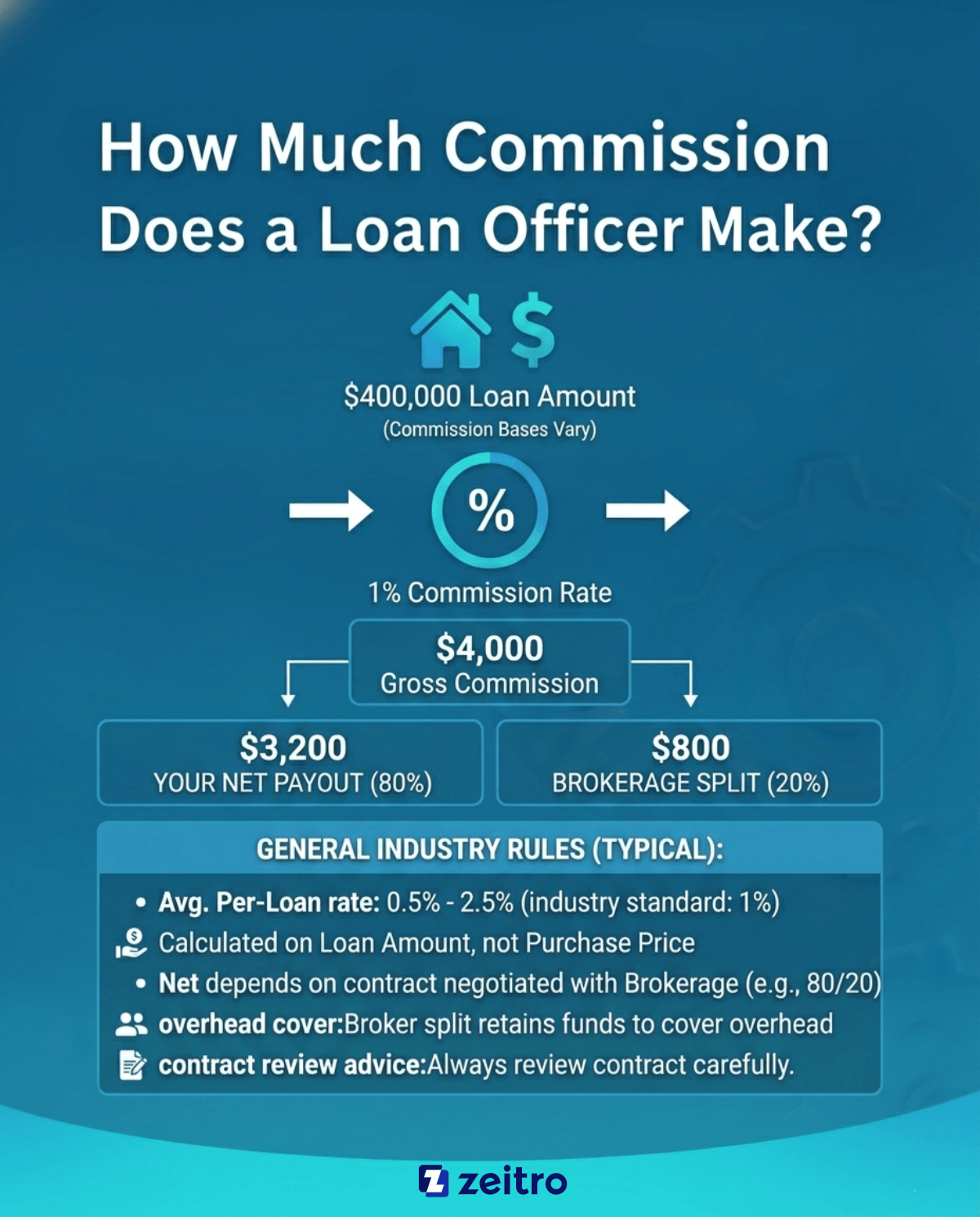
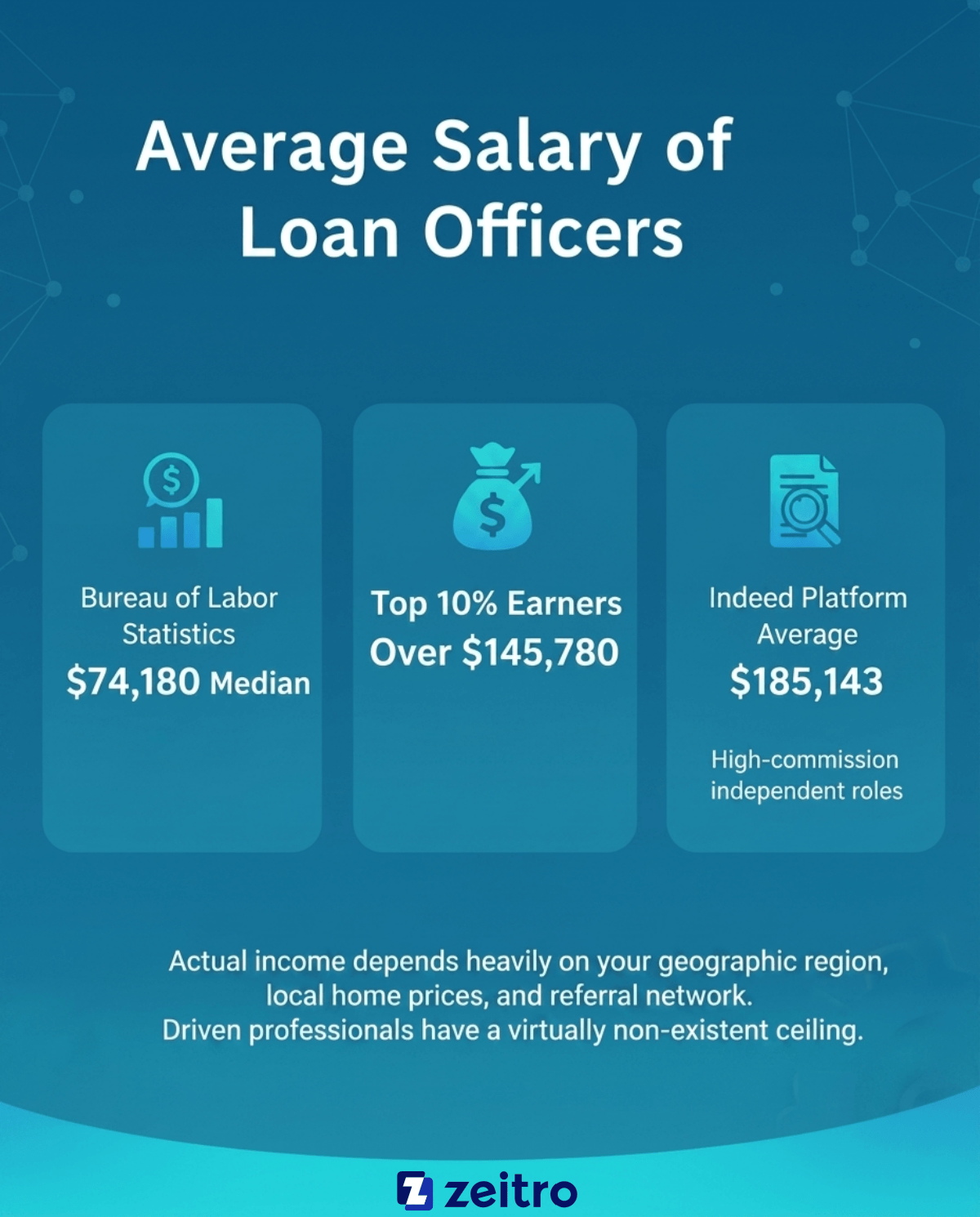



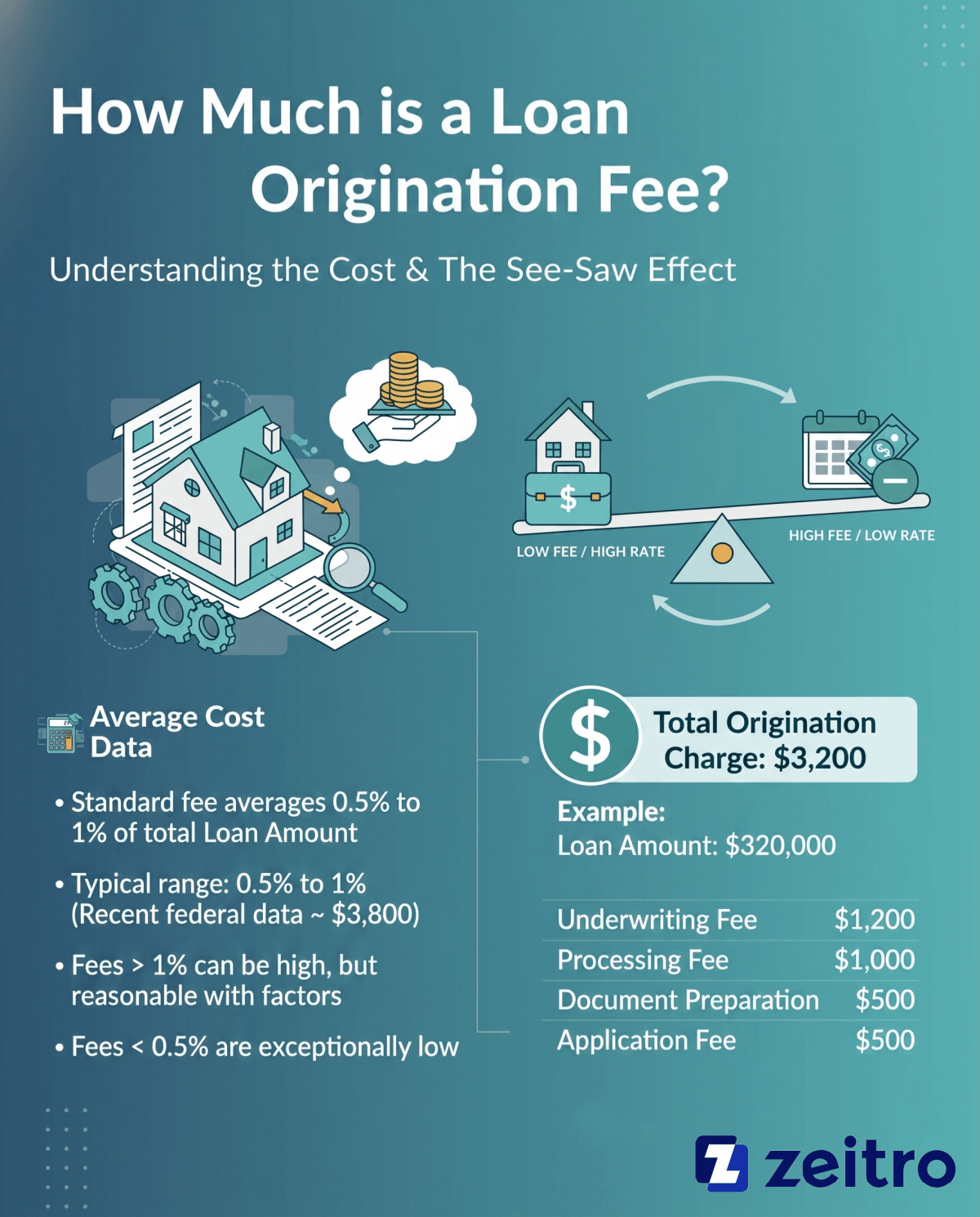
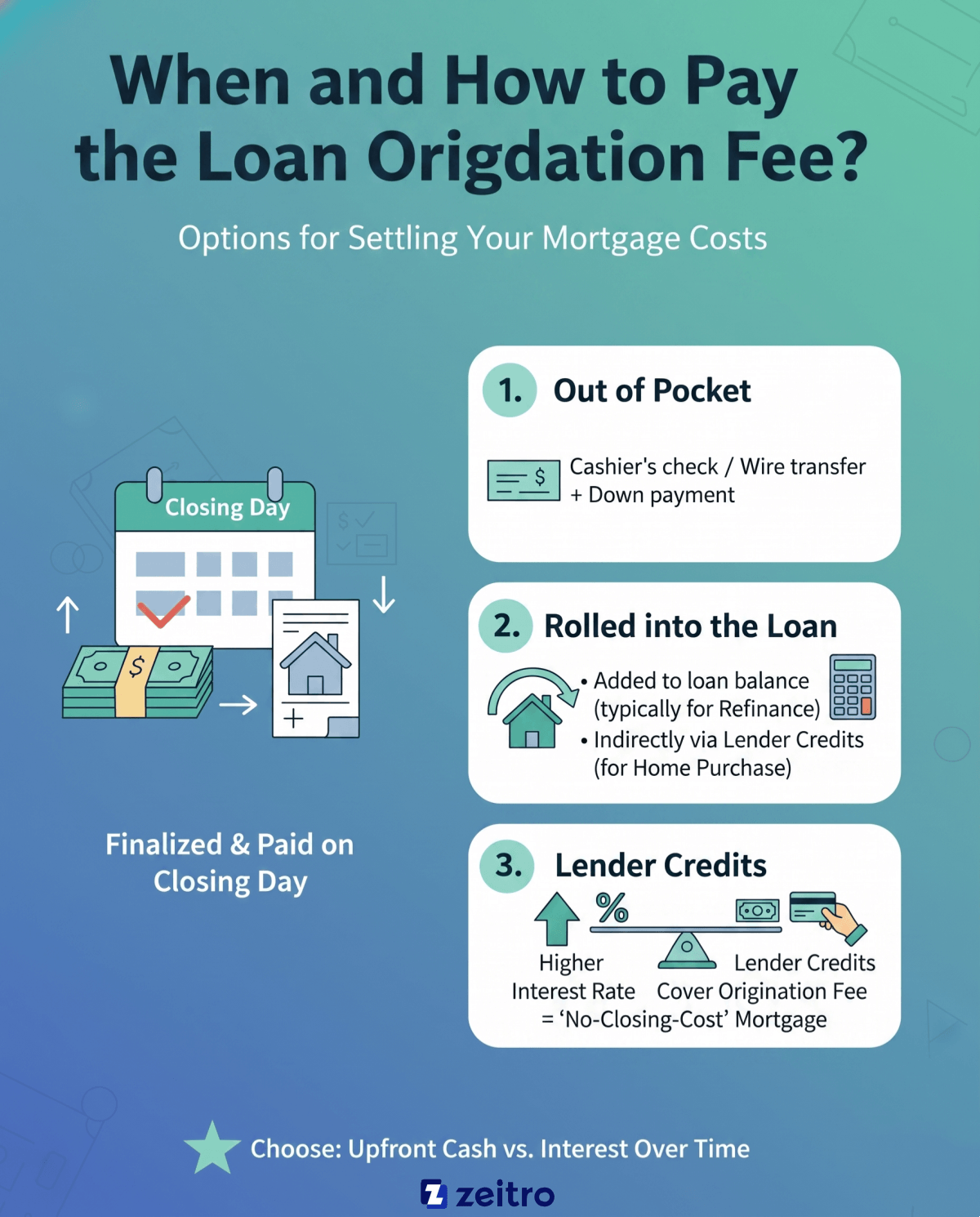



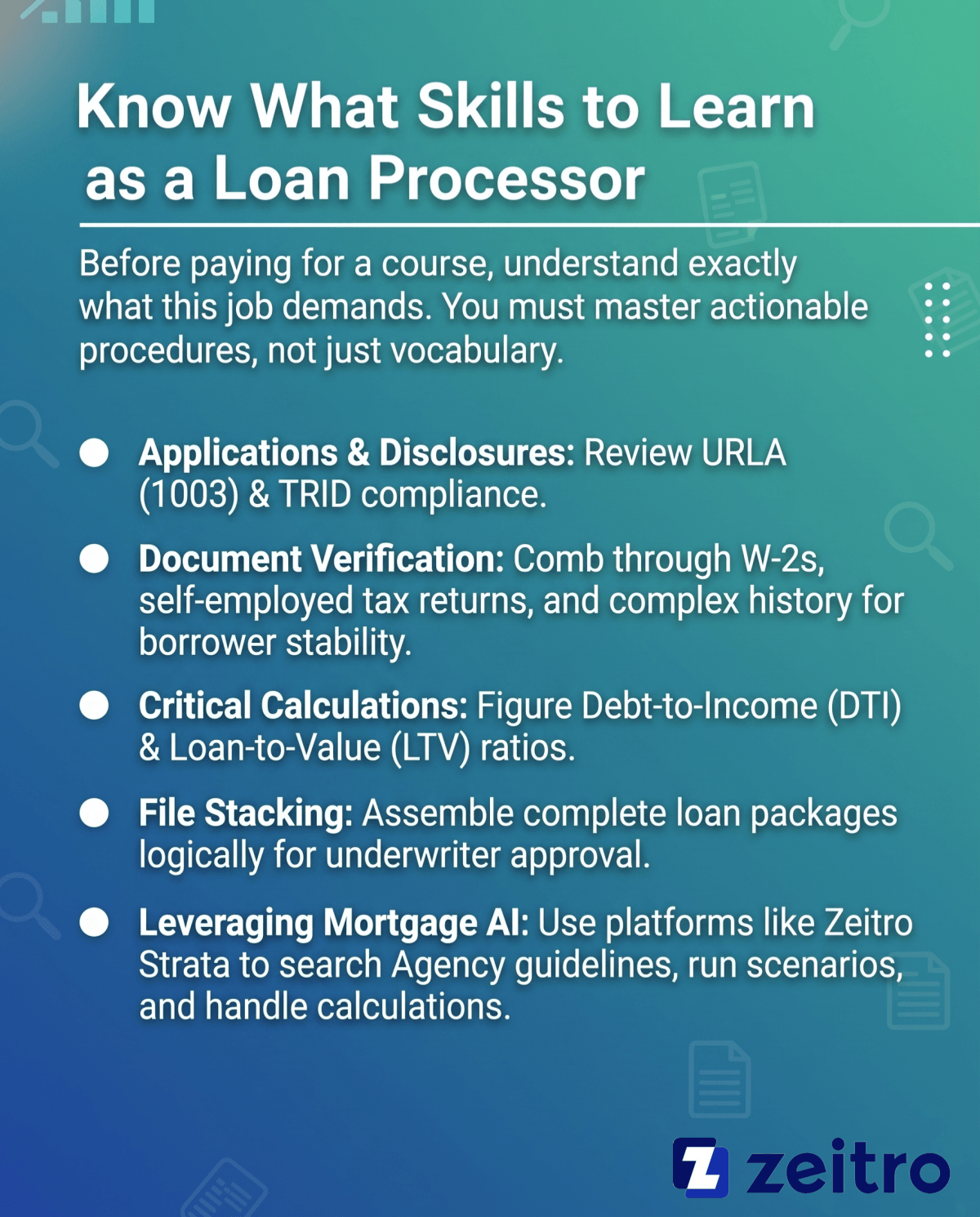
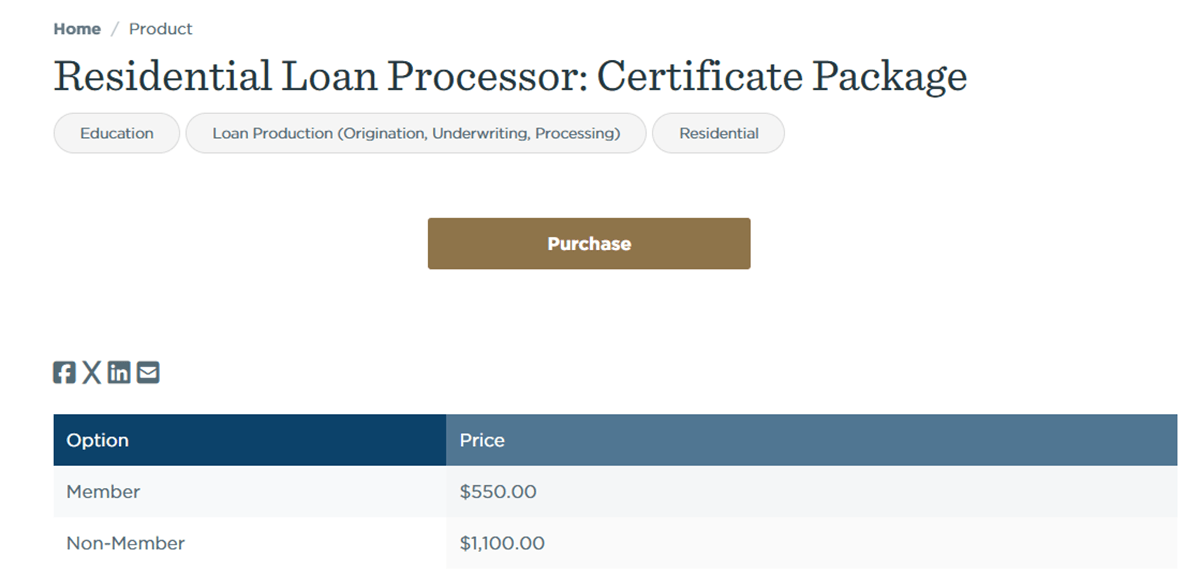
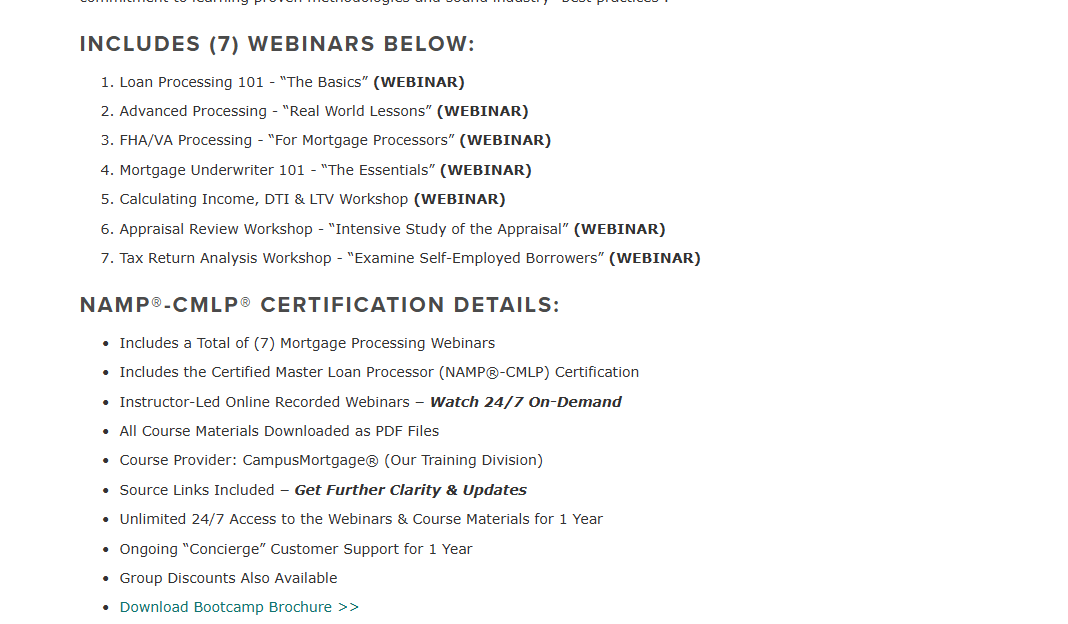


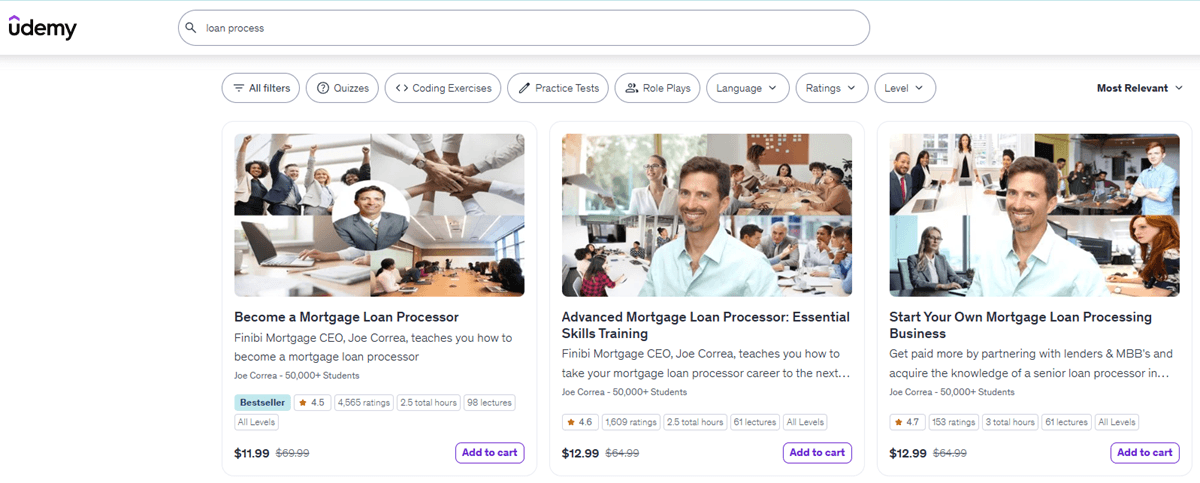

![[Guide] Loan Origination Explained: Meaning, Process, Cost](https://cdn.prod.website-files.com/6731bc6e813a541b54c30b10/6a0ecb8eeee5ecd064027b6f_what-is-loan-origination-banner.png)
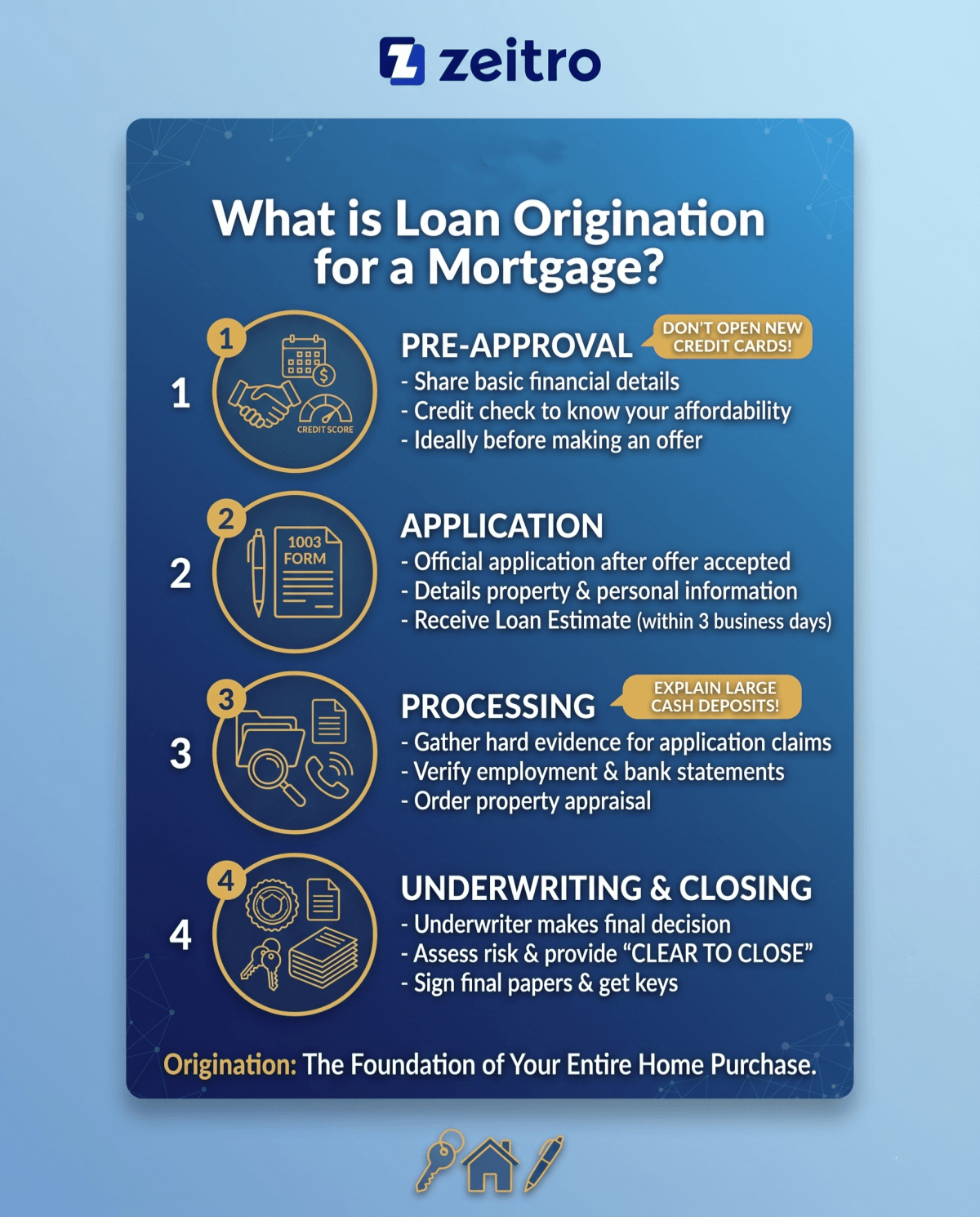
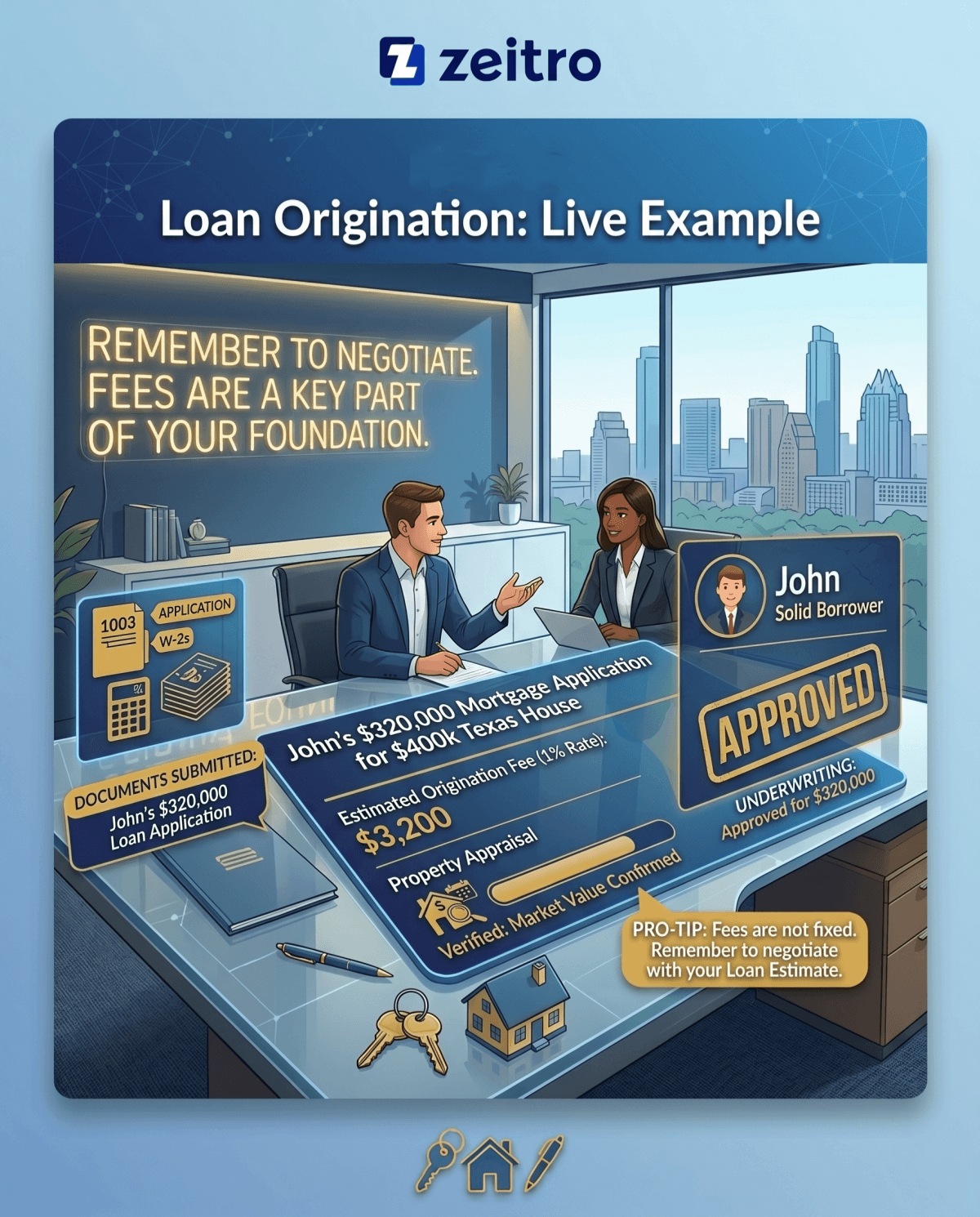
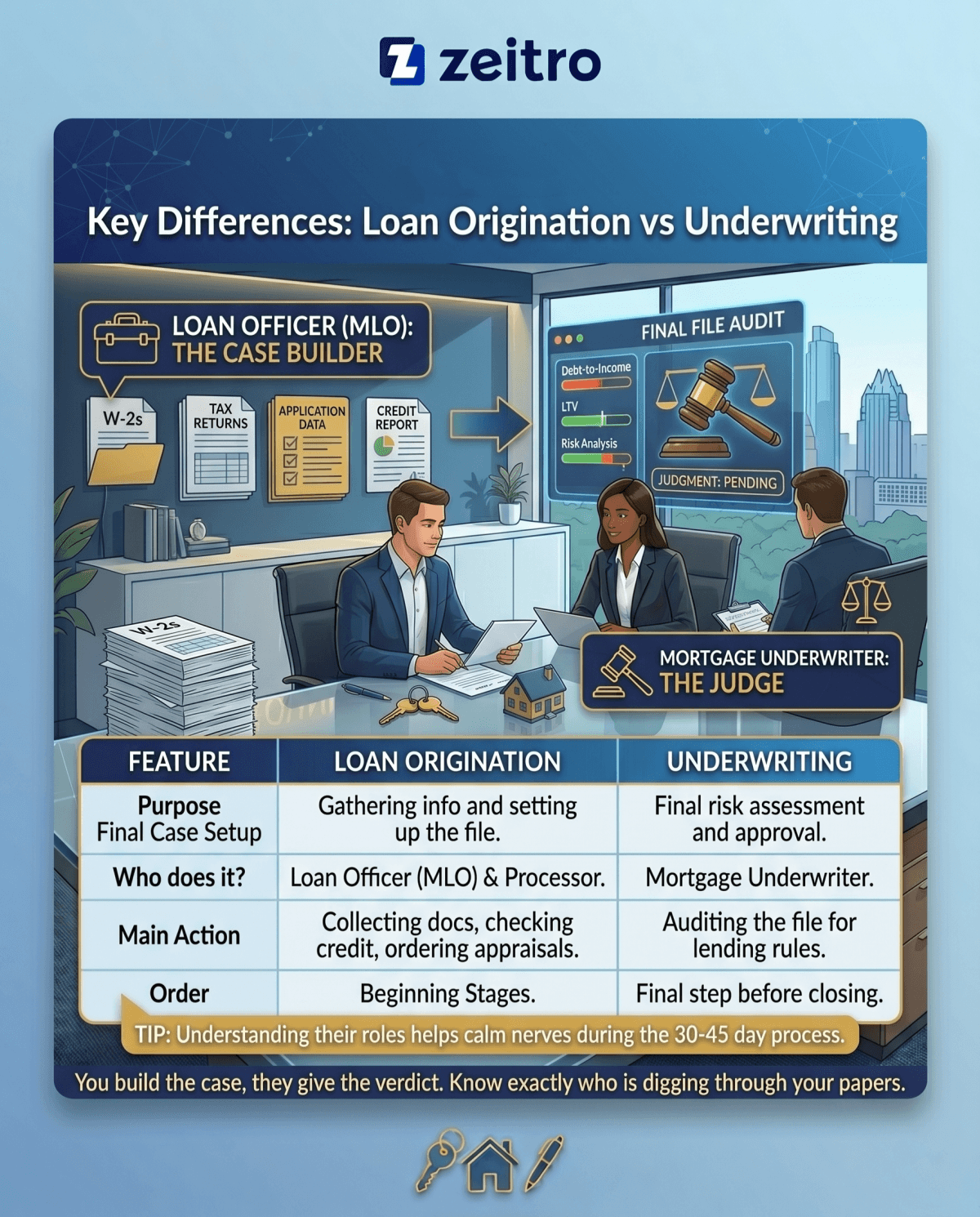


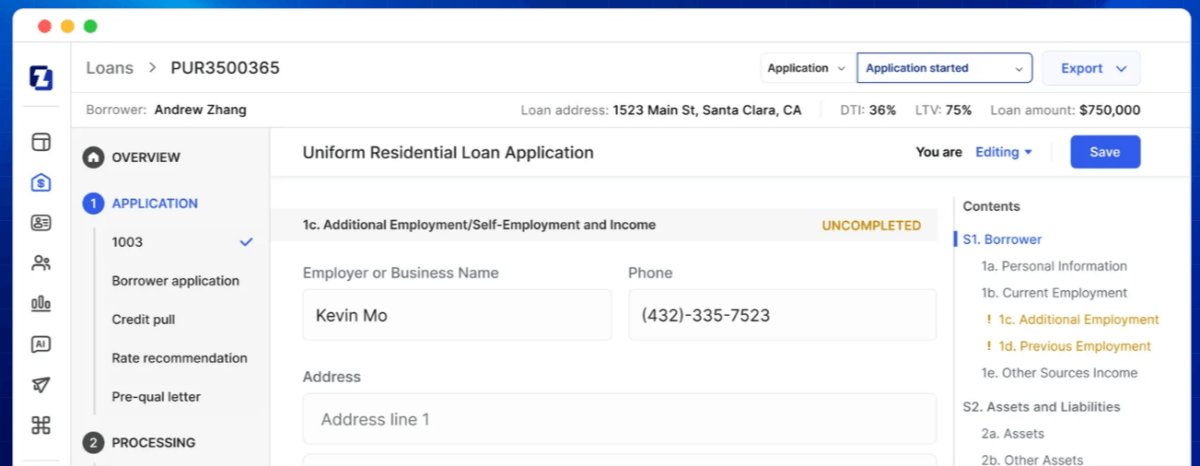
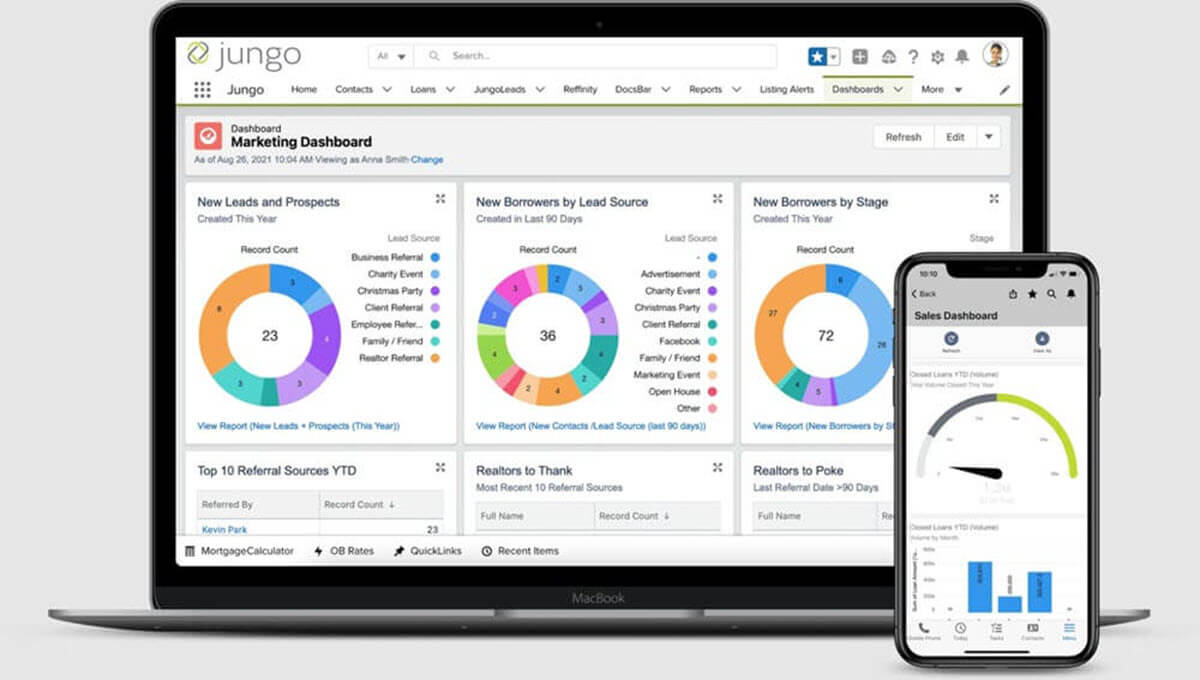
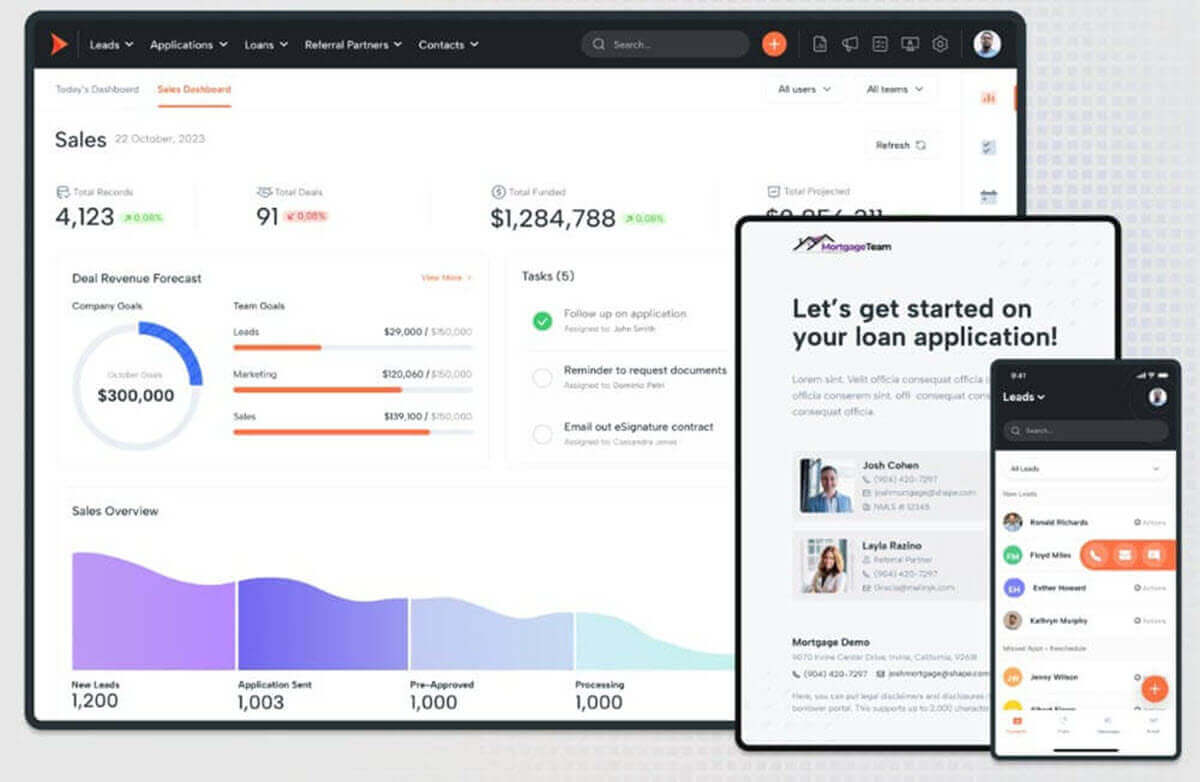
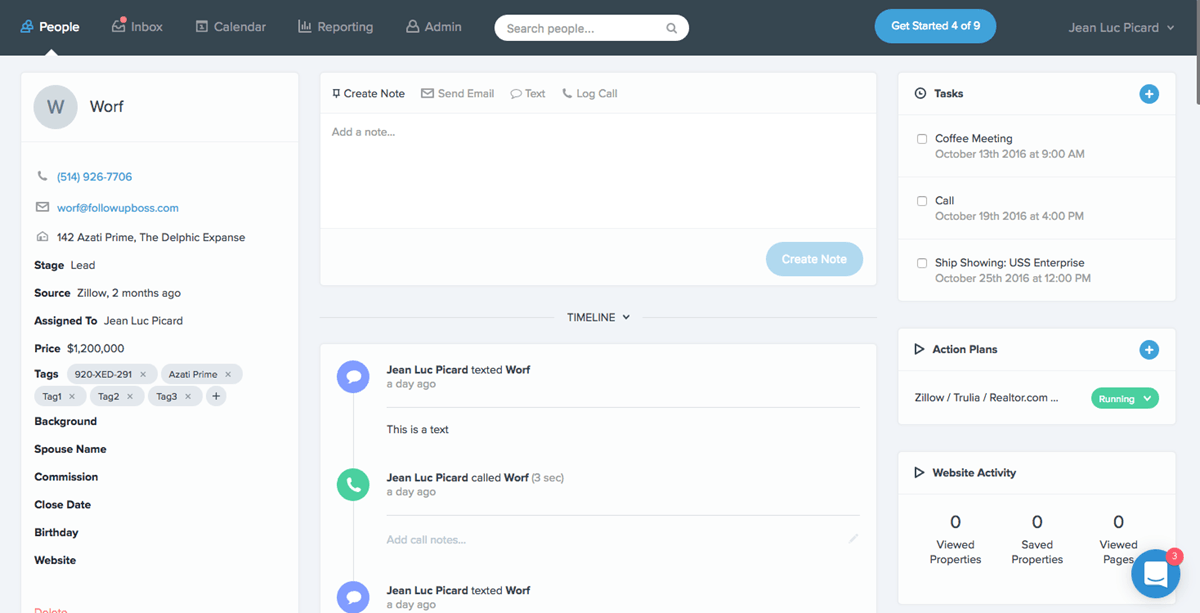

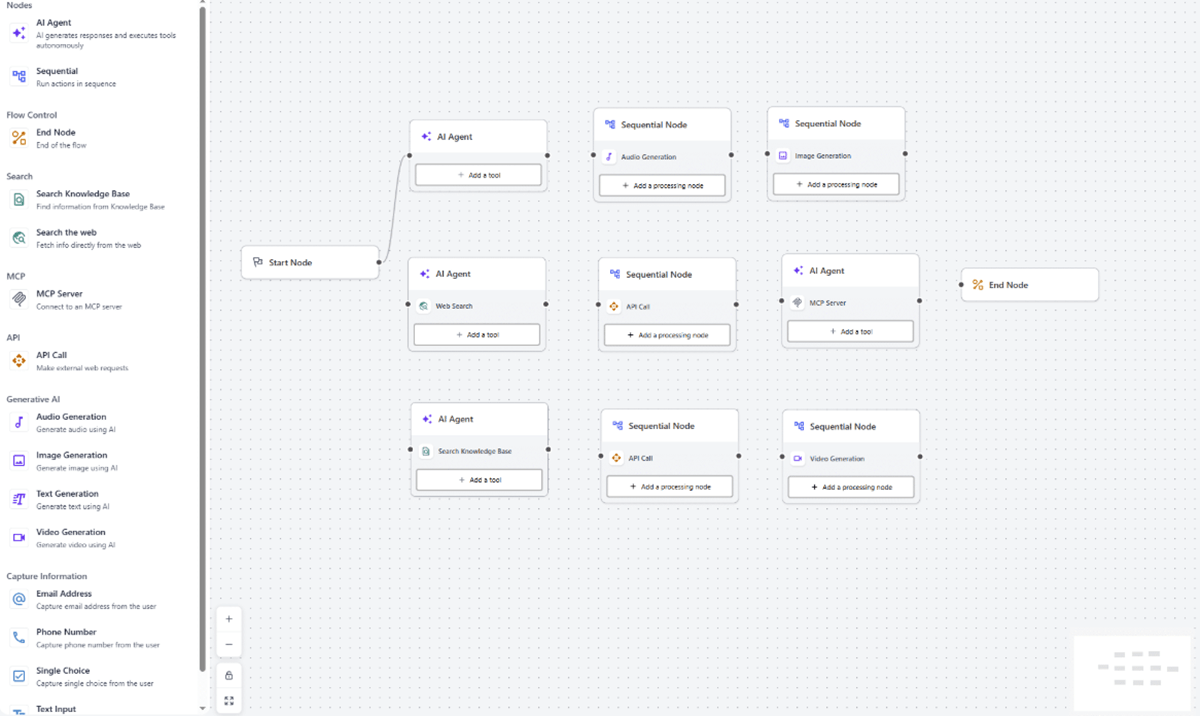

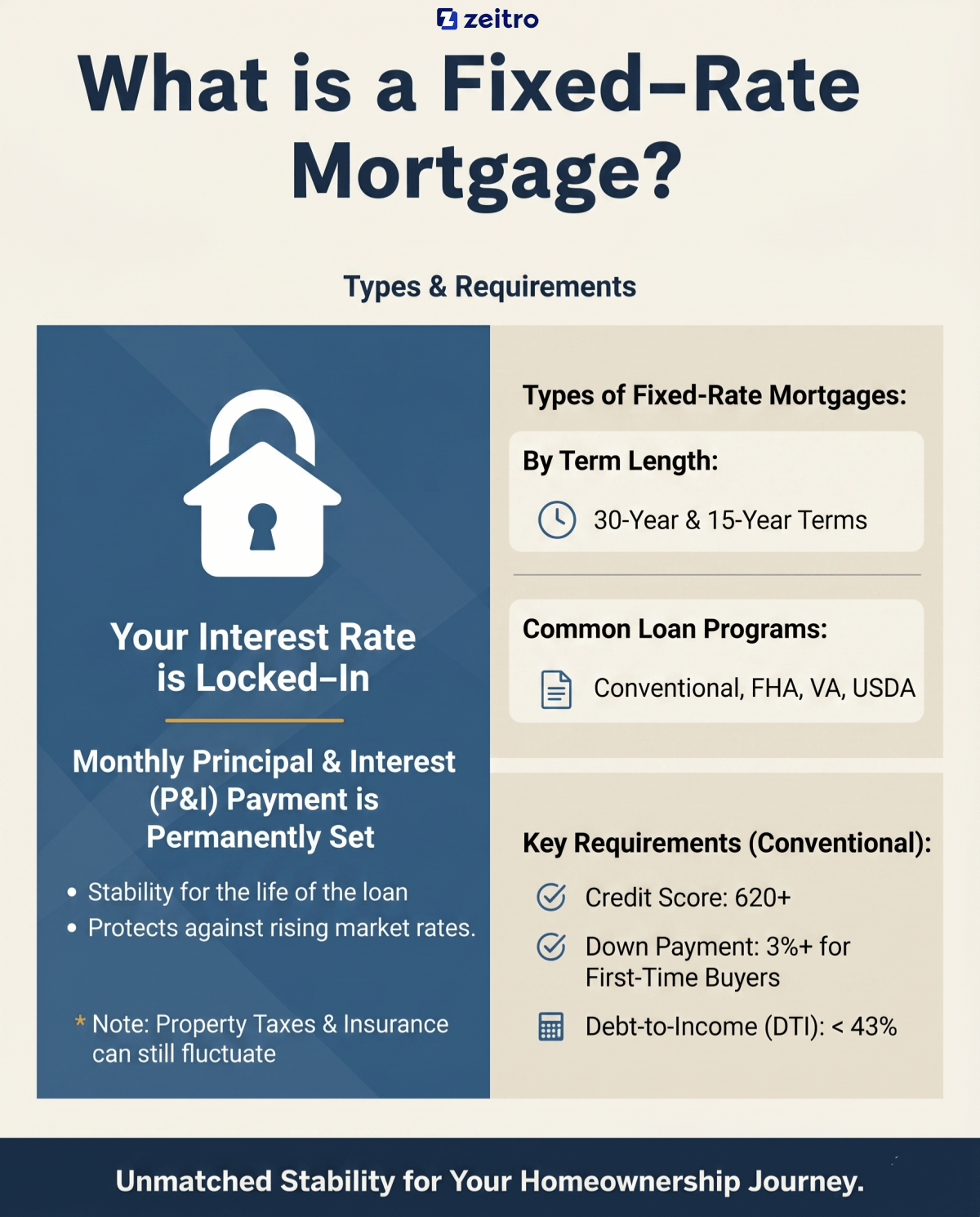
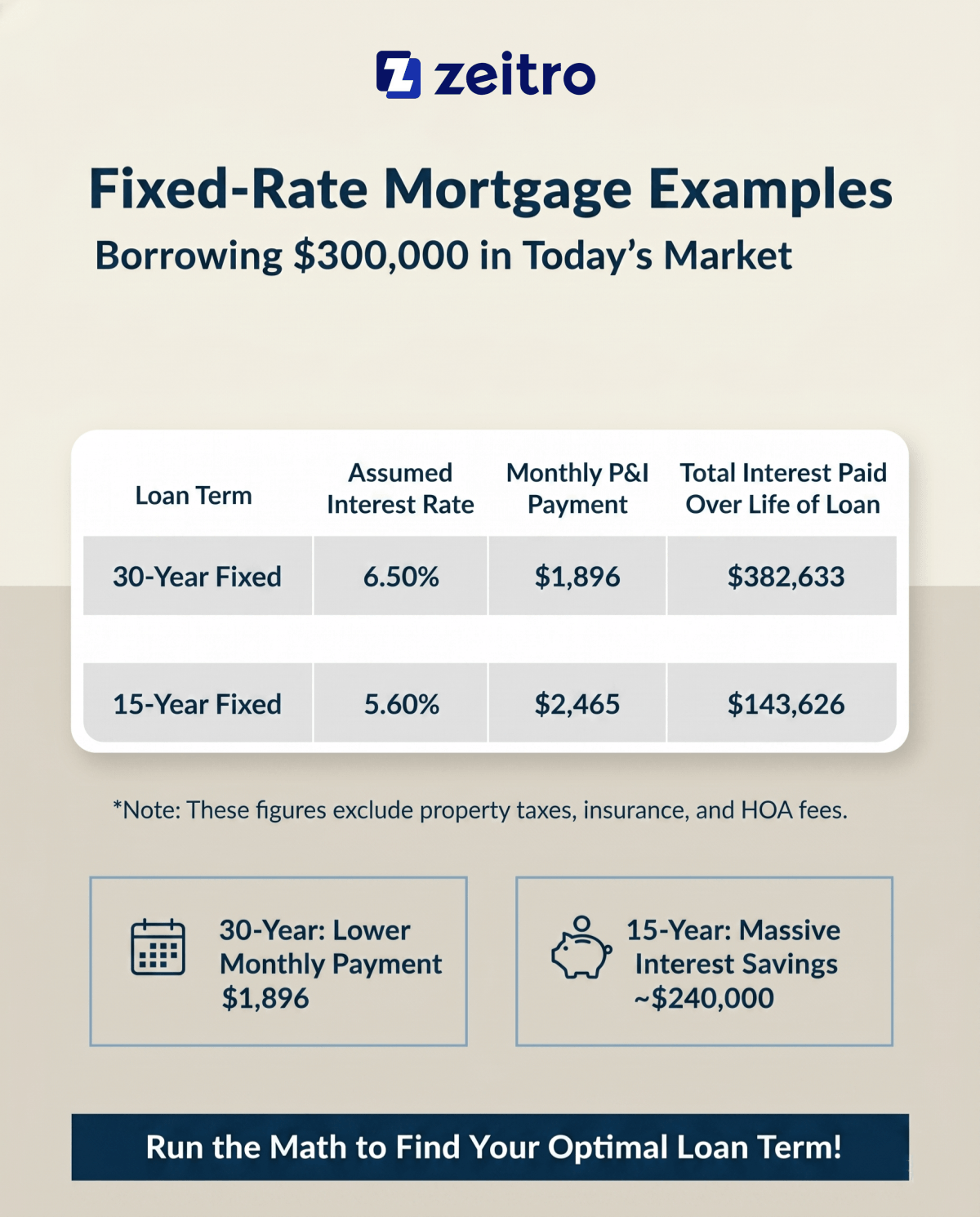
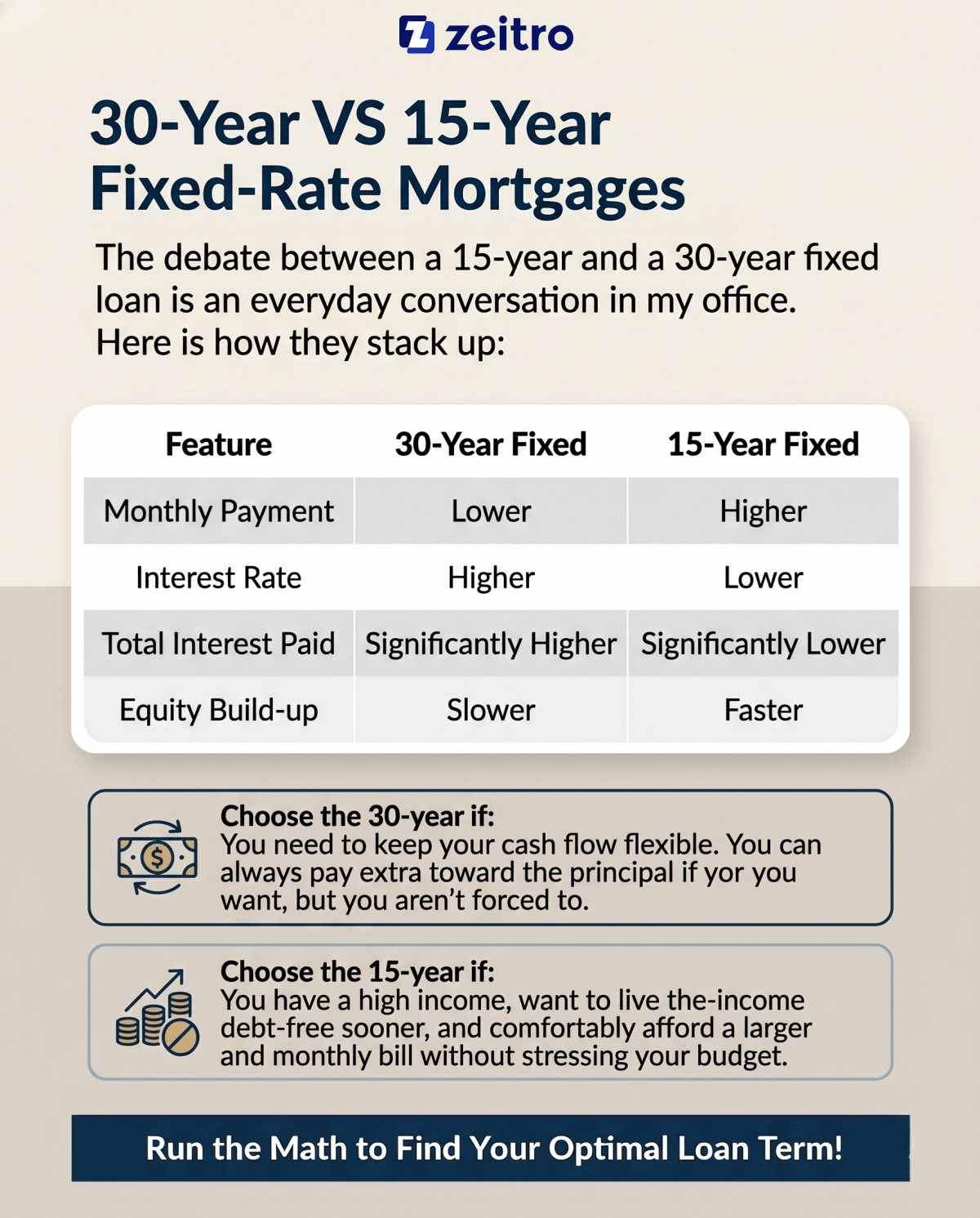
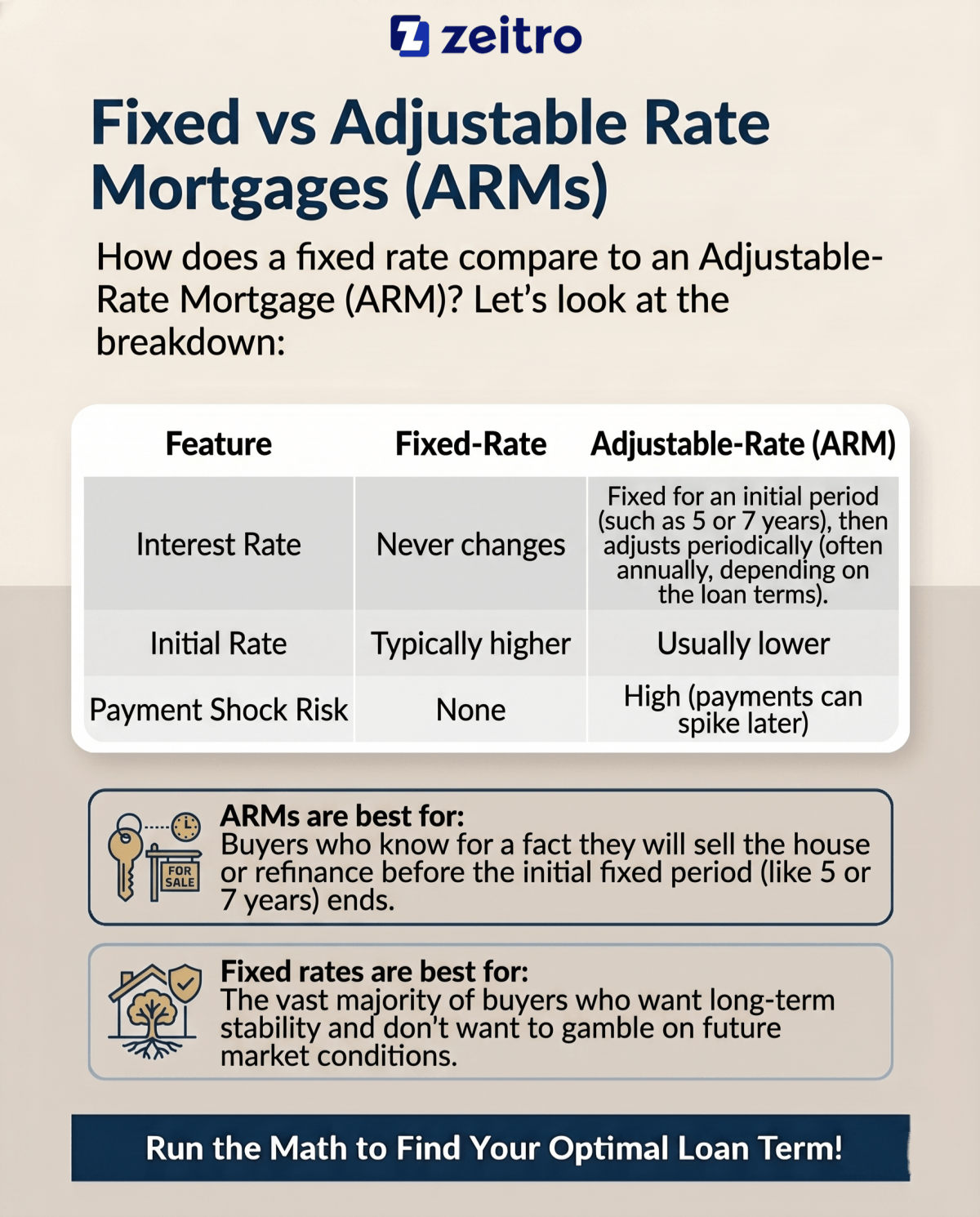
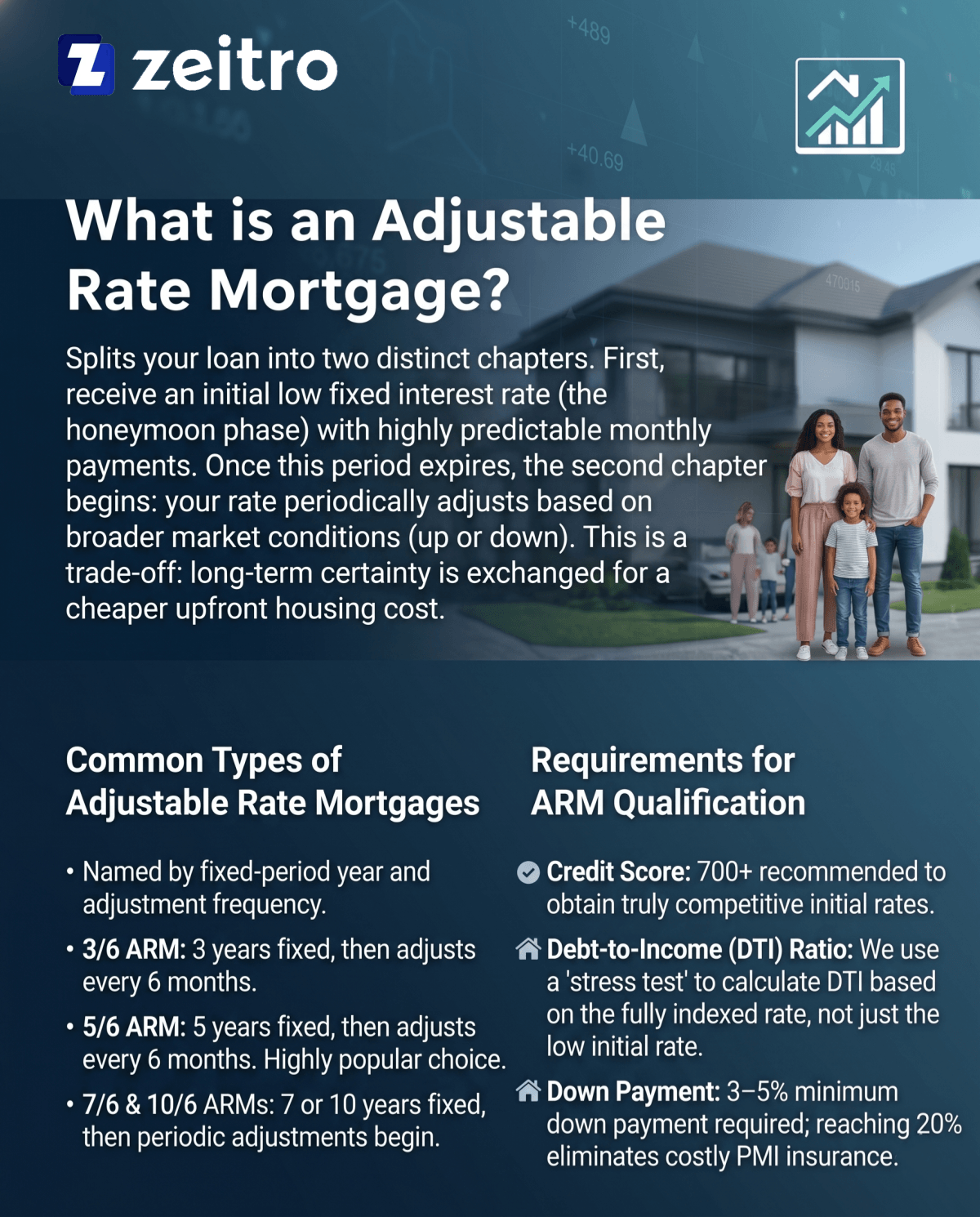
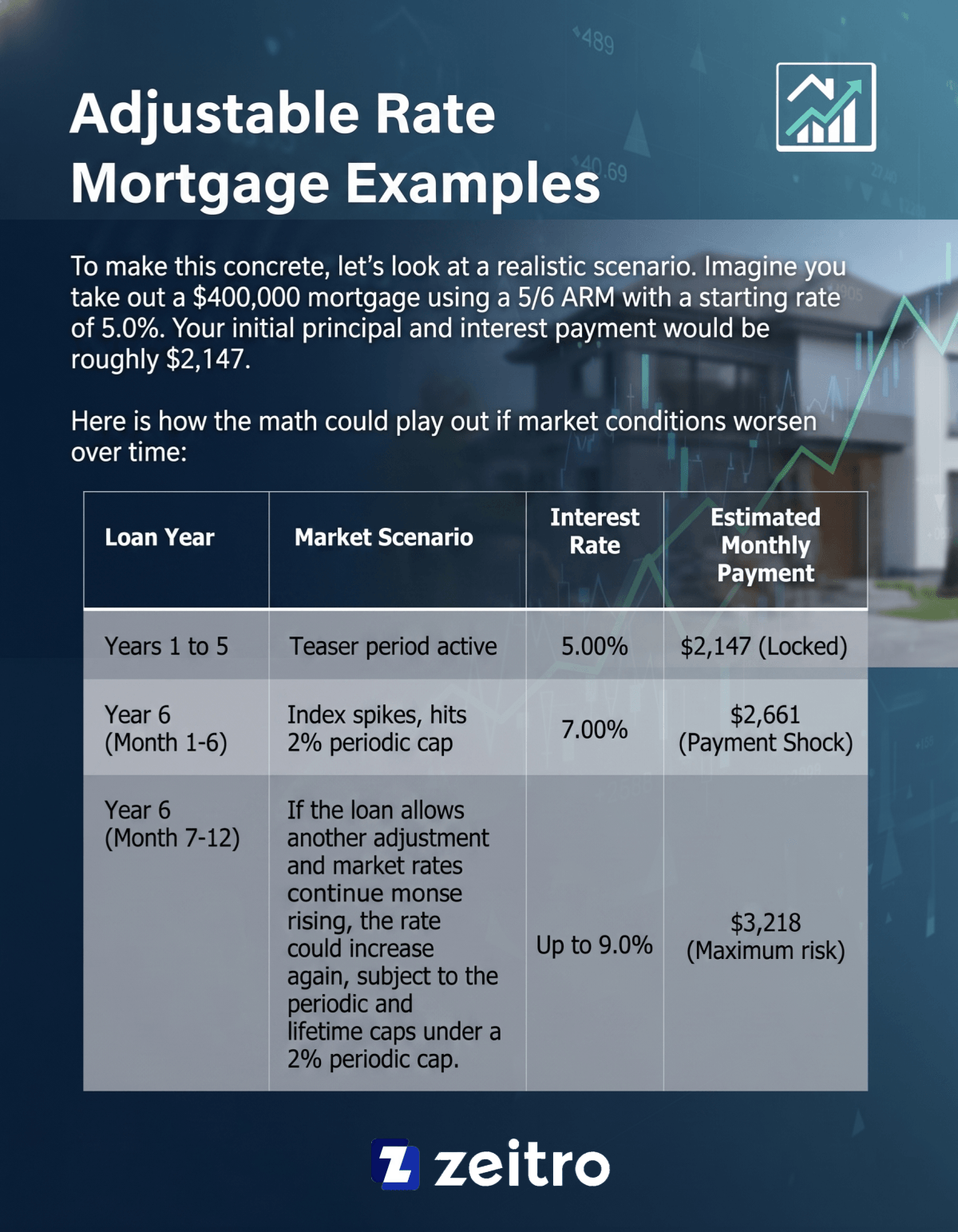
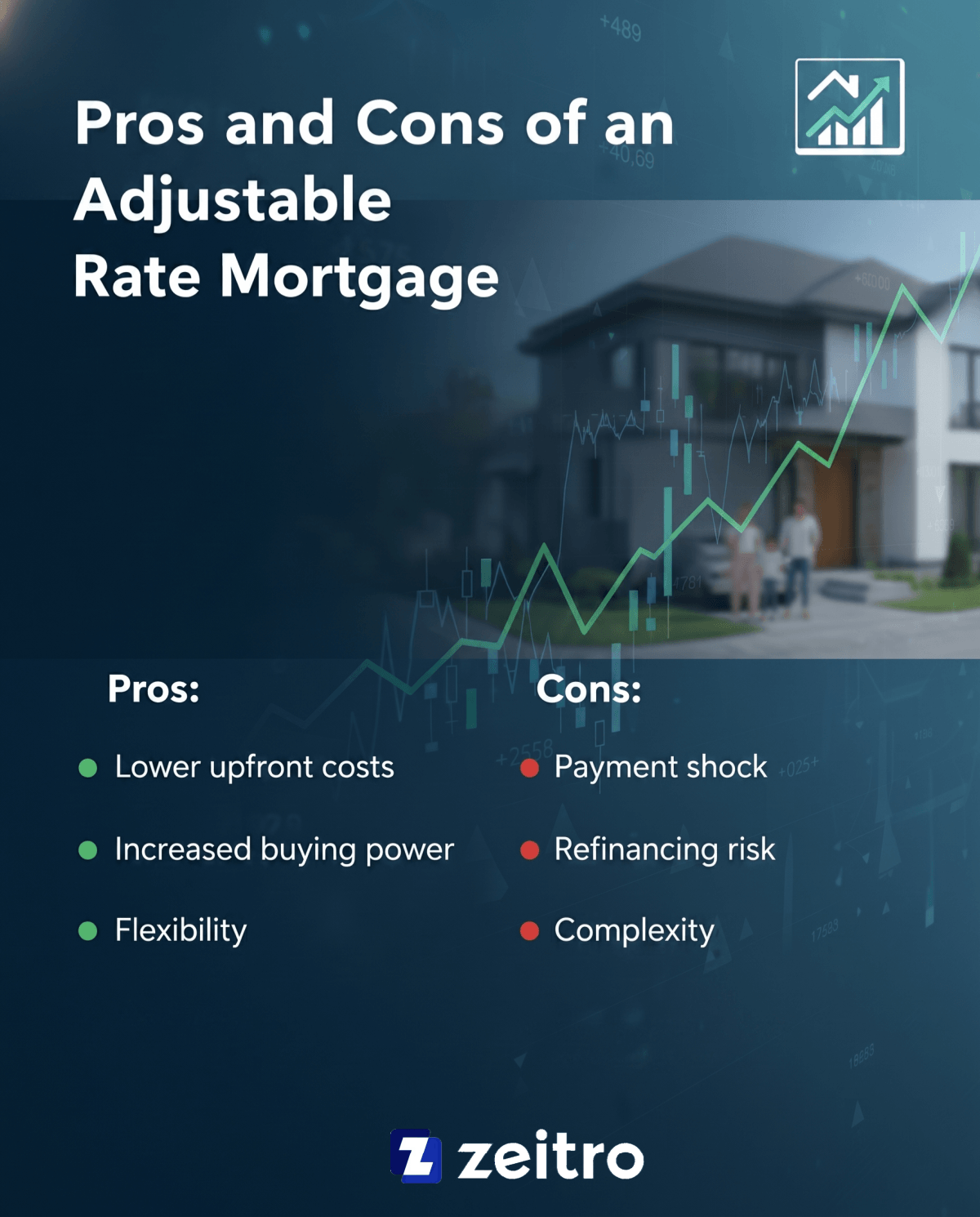
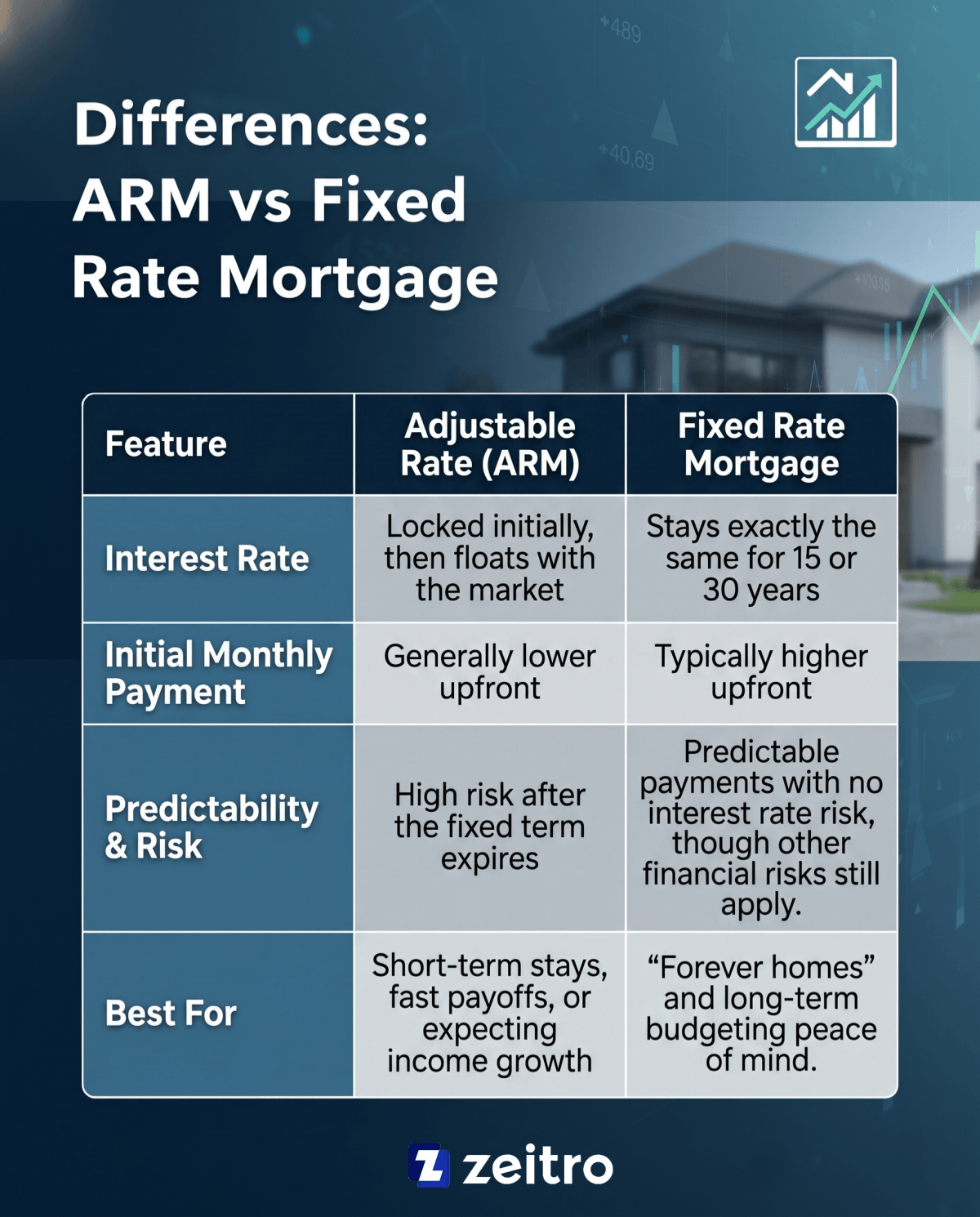
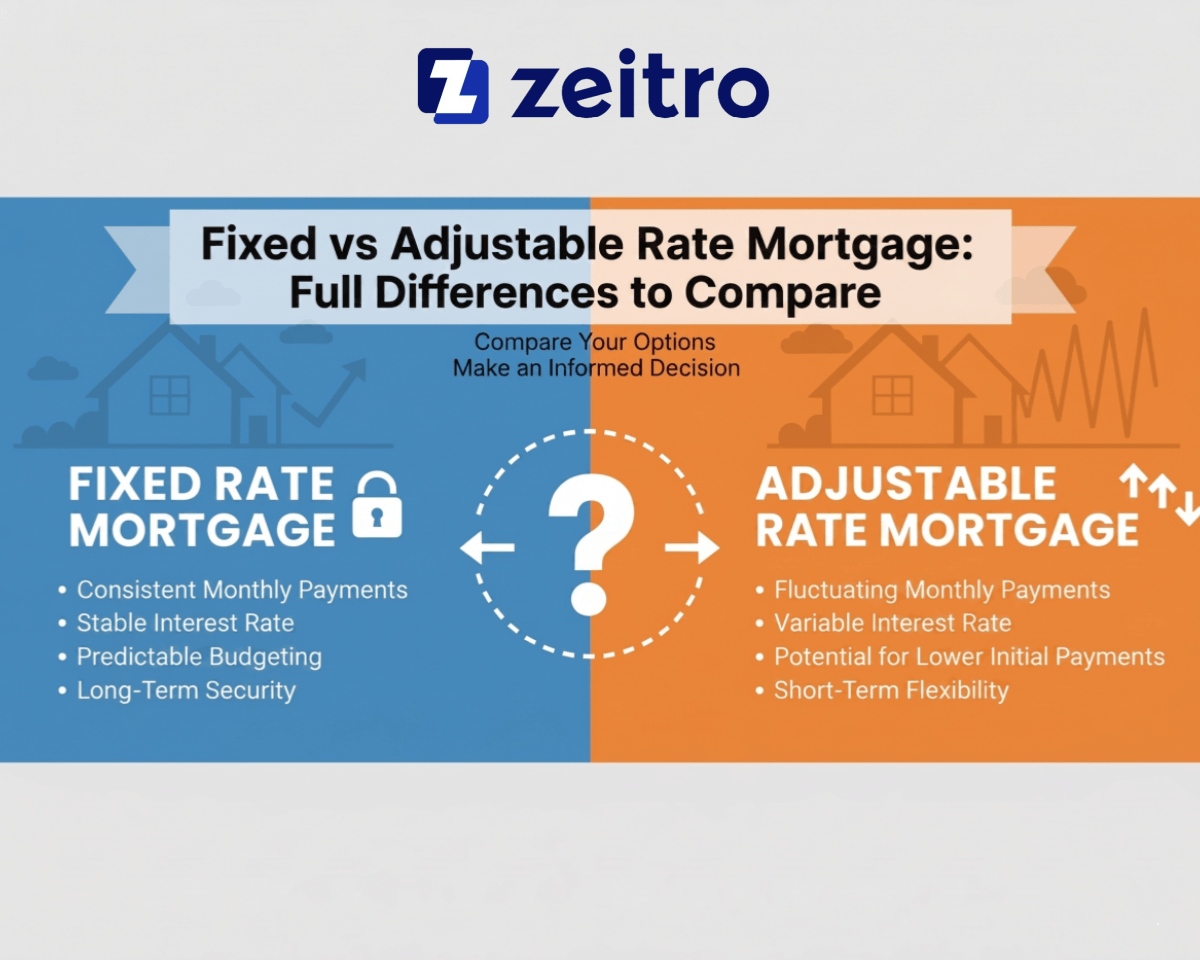
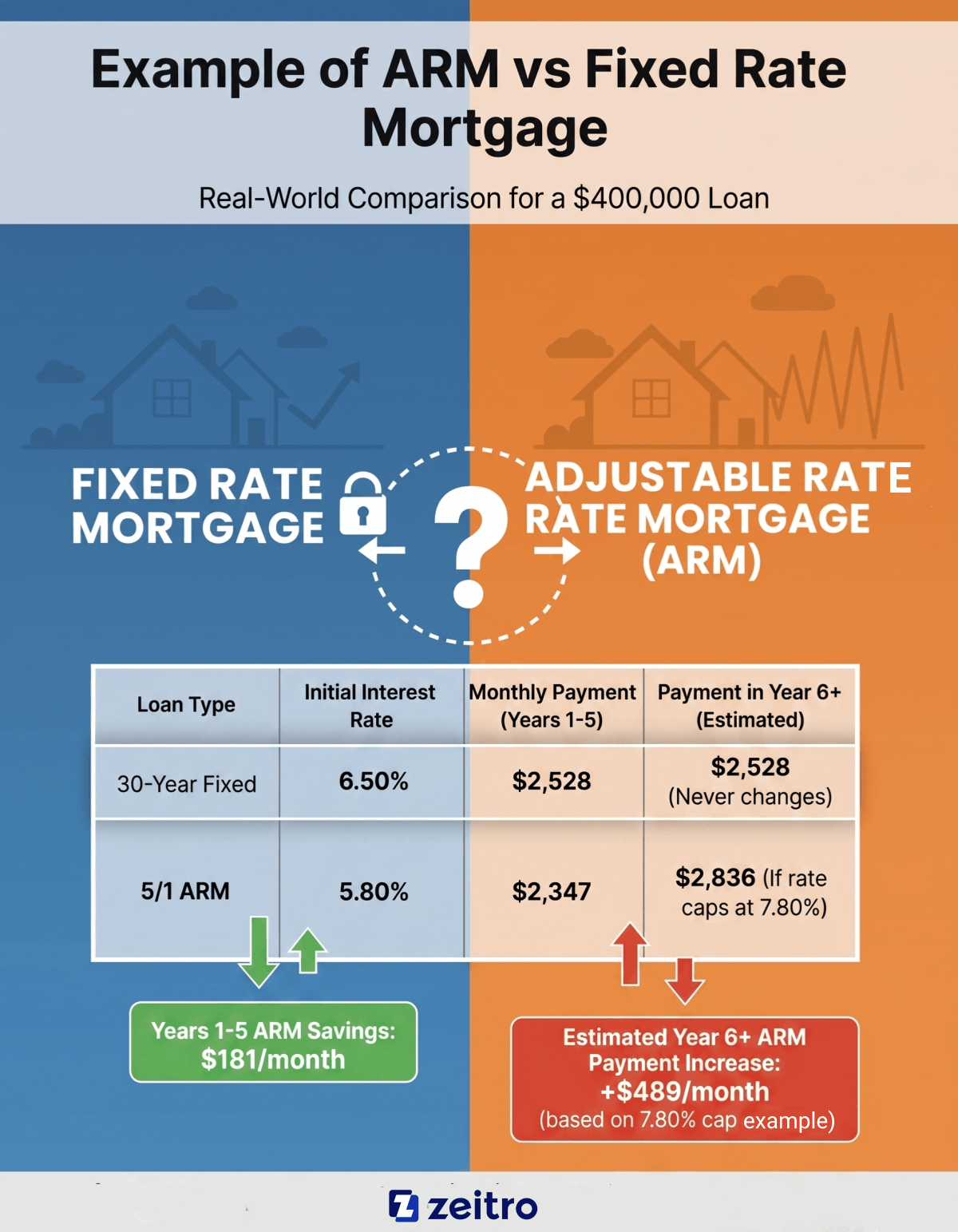
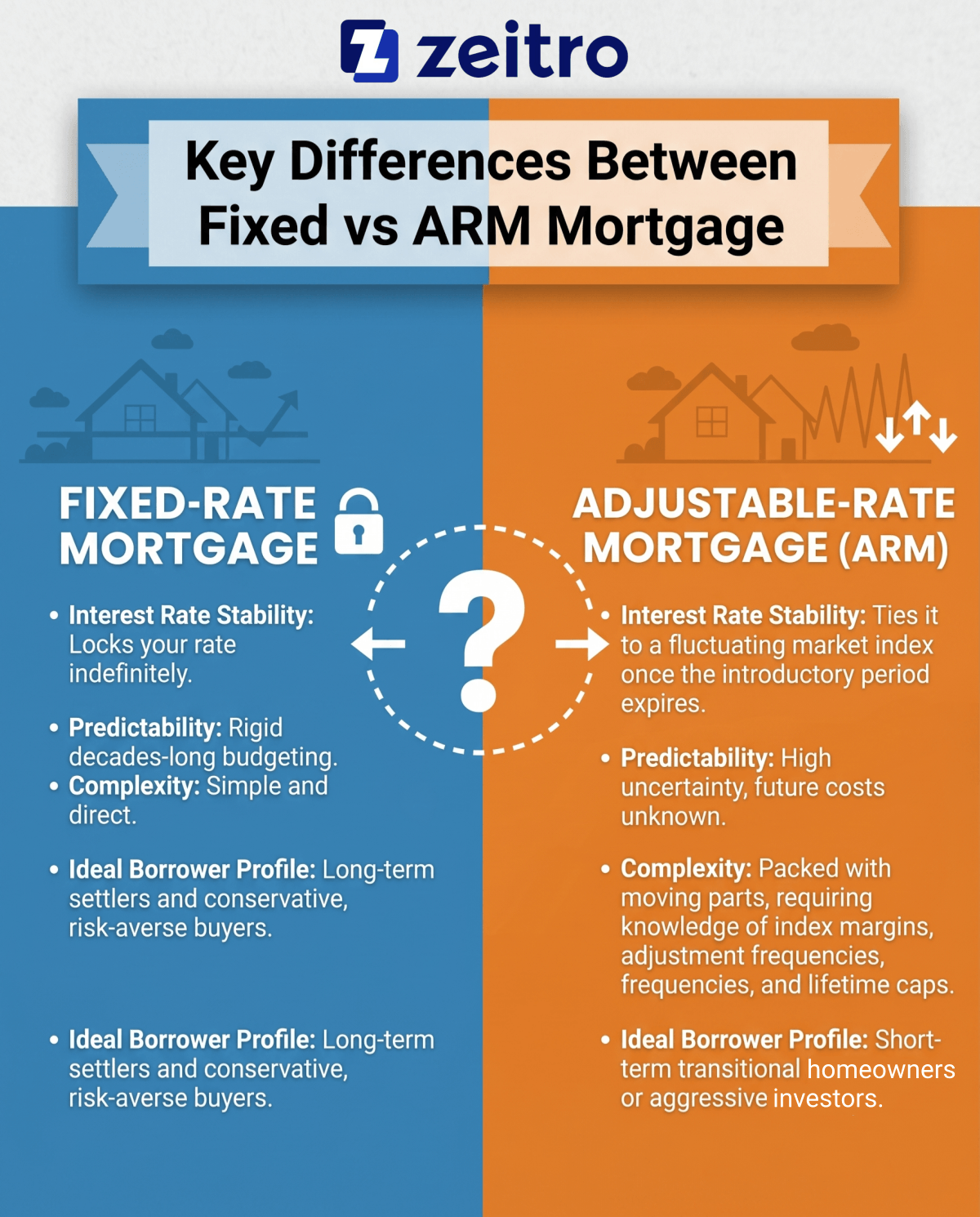
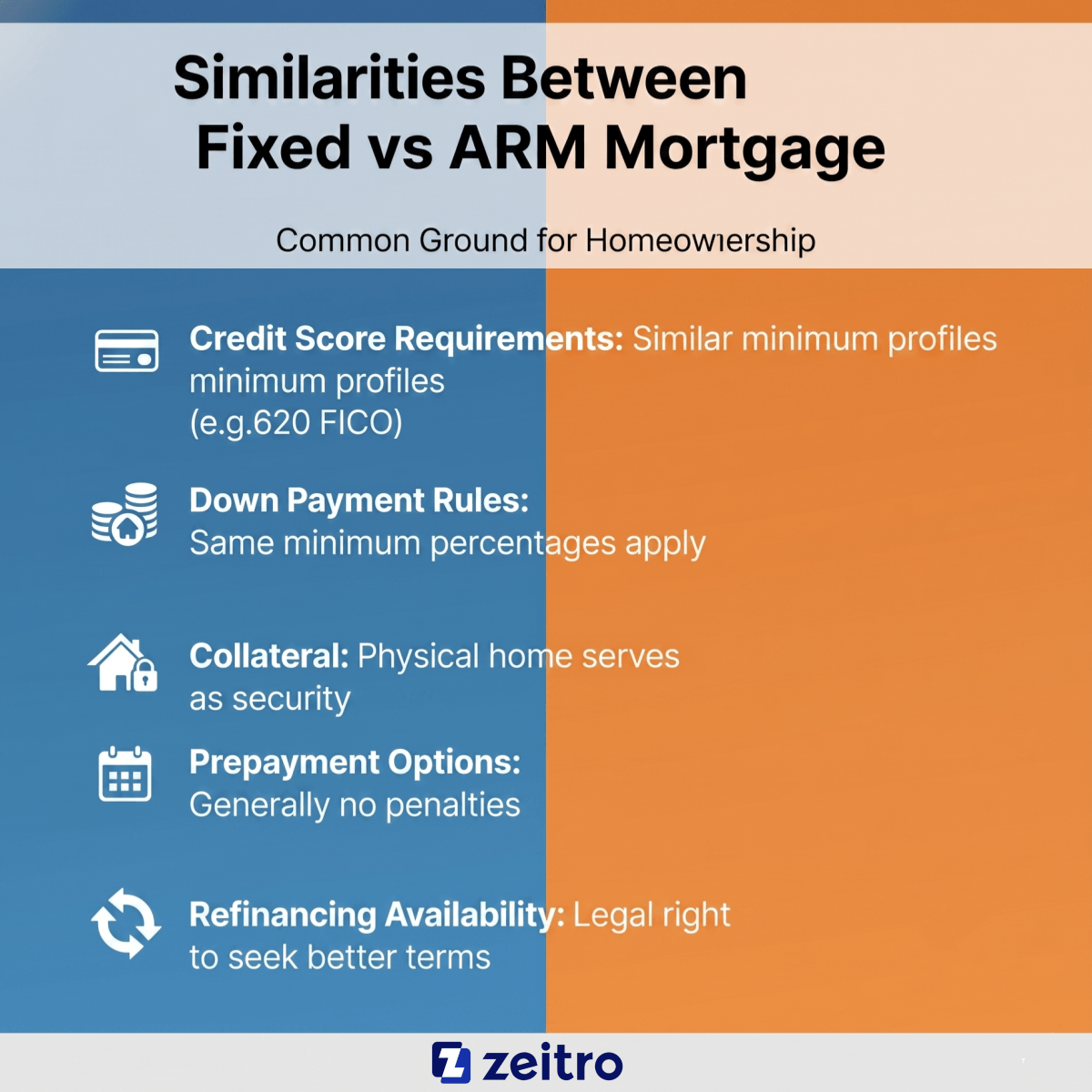


![[Solved] How Much Interest Will I Pay on My Mortgage?](https://cdn.prod.website-files.com/6731bc6e813a541b54c30b10/6a0d2c55ec69e0e25bff099e_how-much-interest-will-i-pay-on-my-mortgage-banner.png)

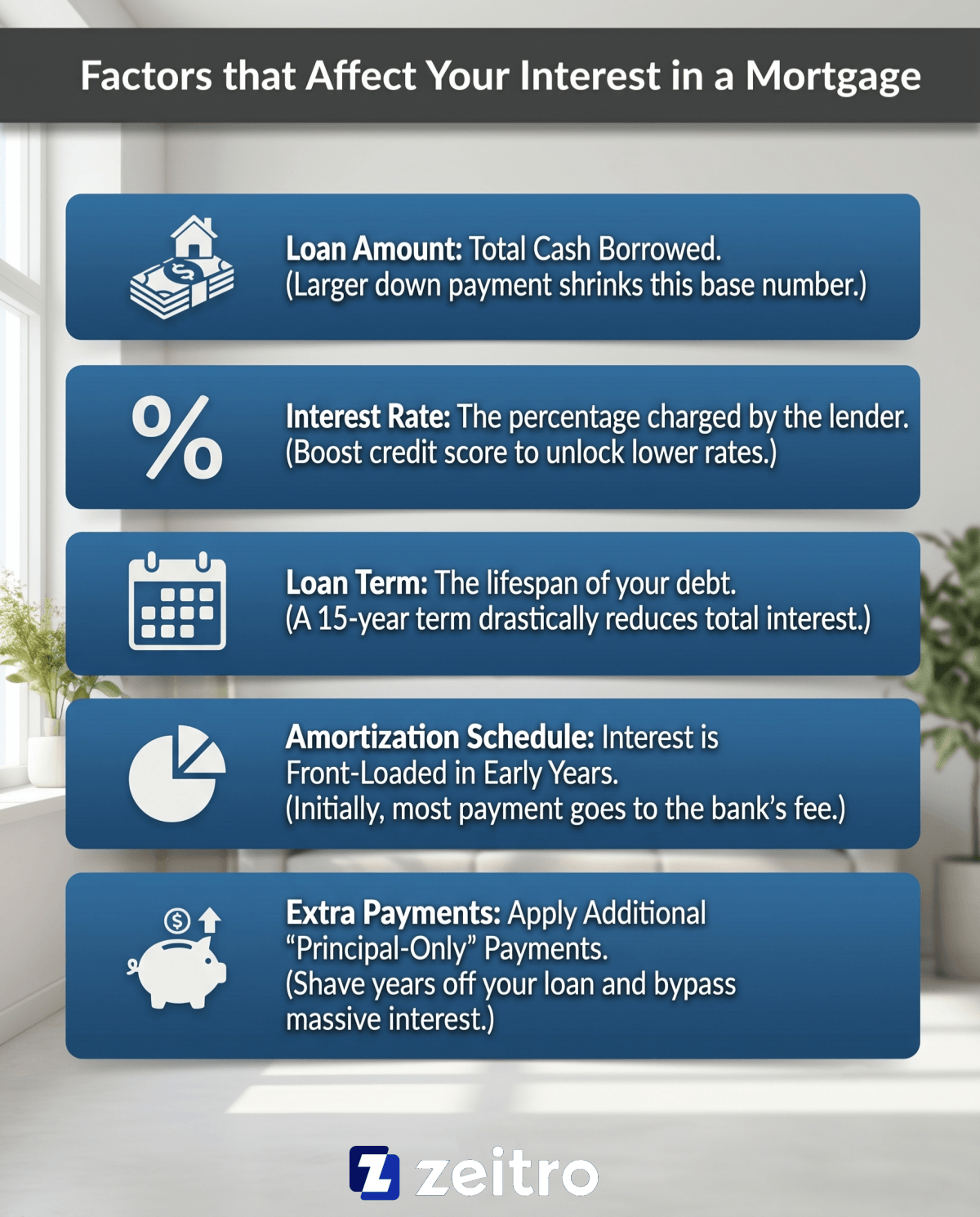
![[Solved] How Much Will My Monthly Payment Be?](https://cdn.prod.website-files.com/6731bc6e813a541b54c30b10/6a0a8b1f89bcb9d995d94157_how-much-will-my-monthly-payment-be-banner.png)
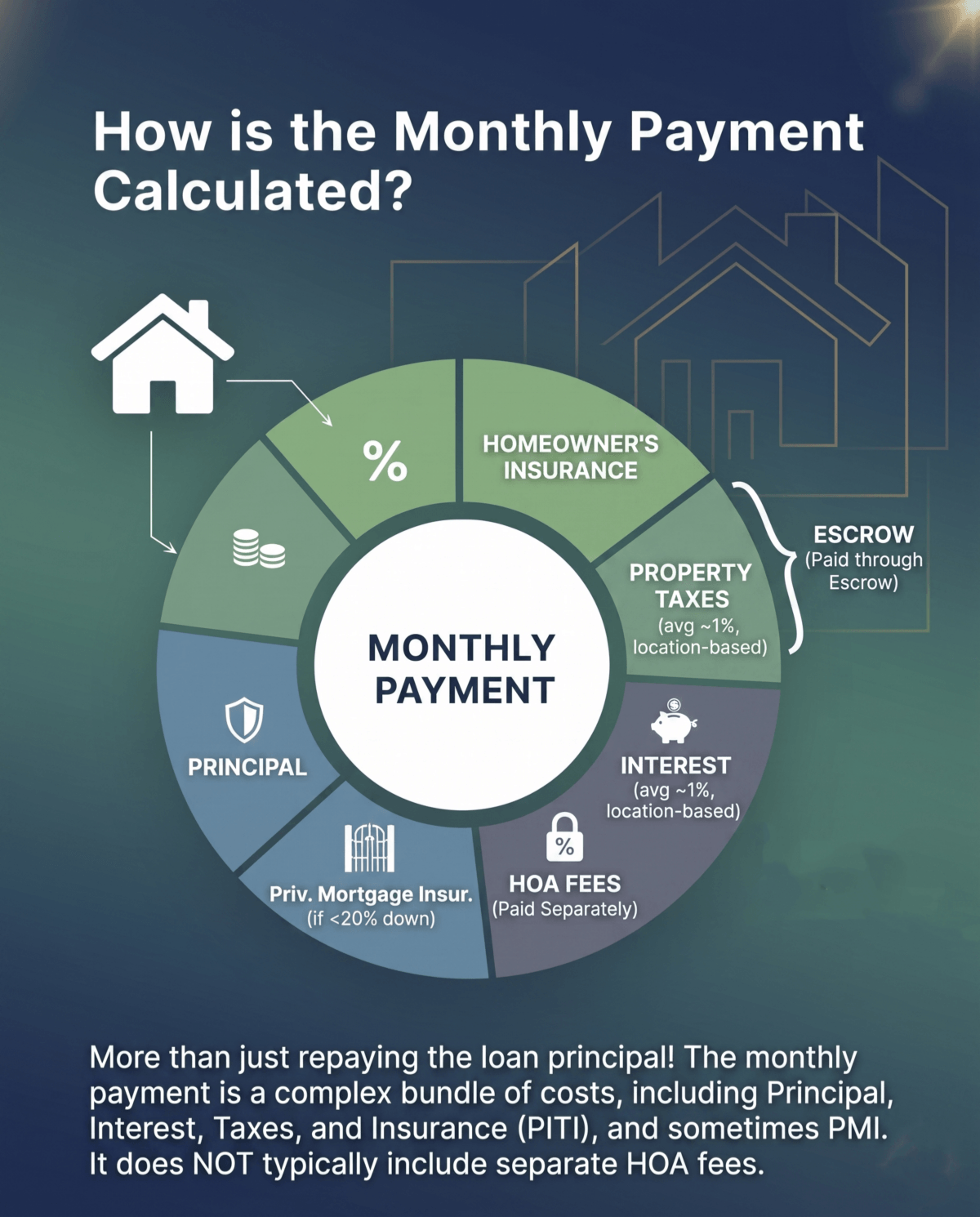
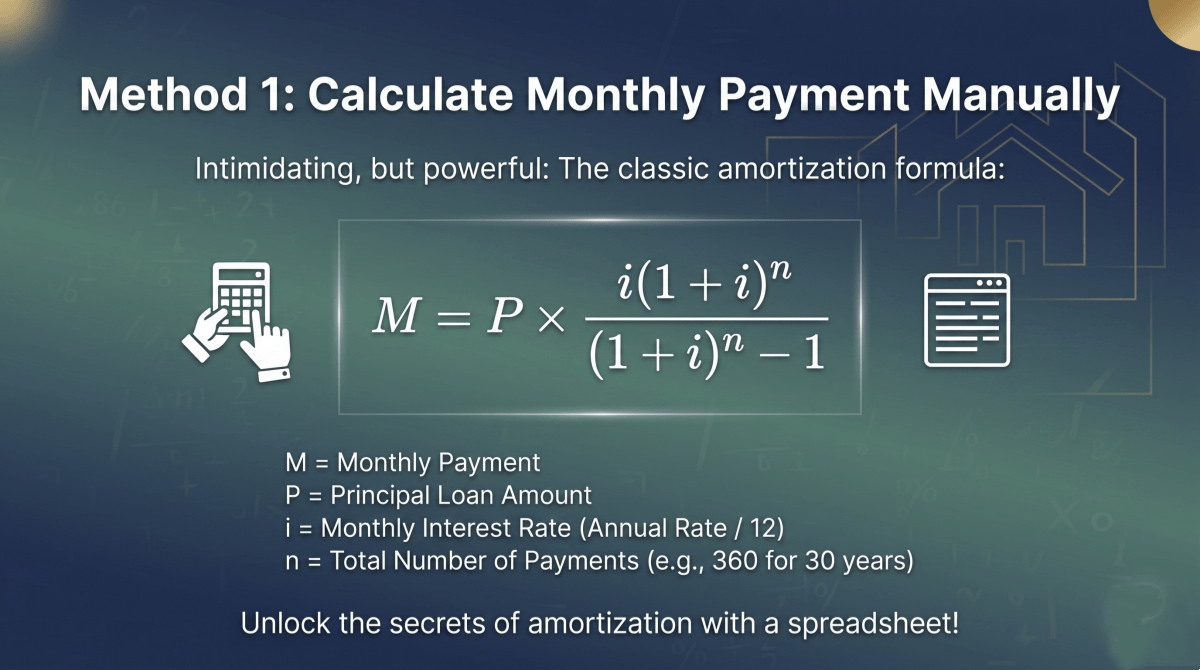
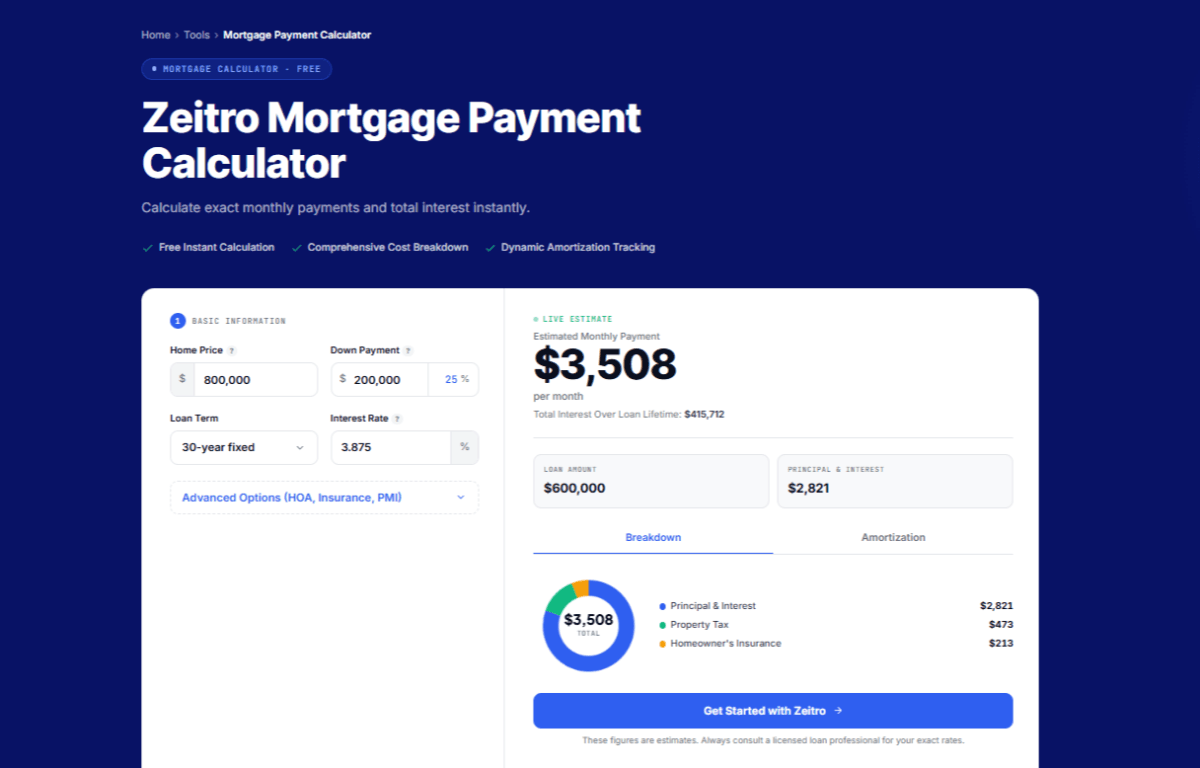

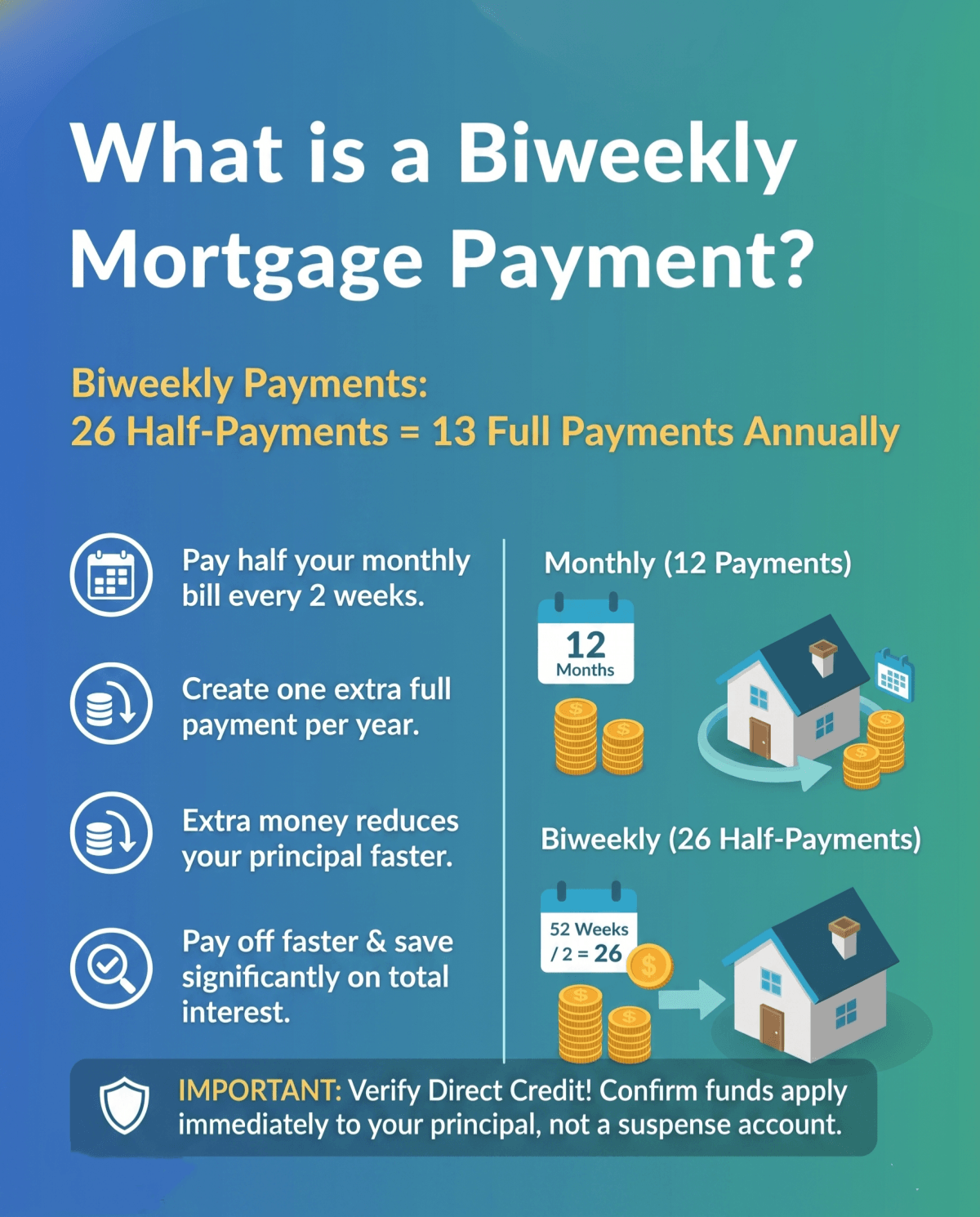

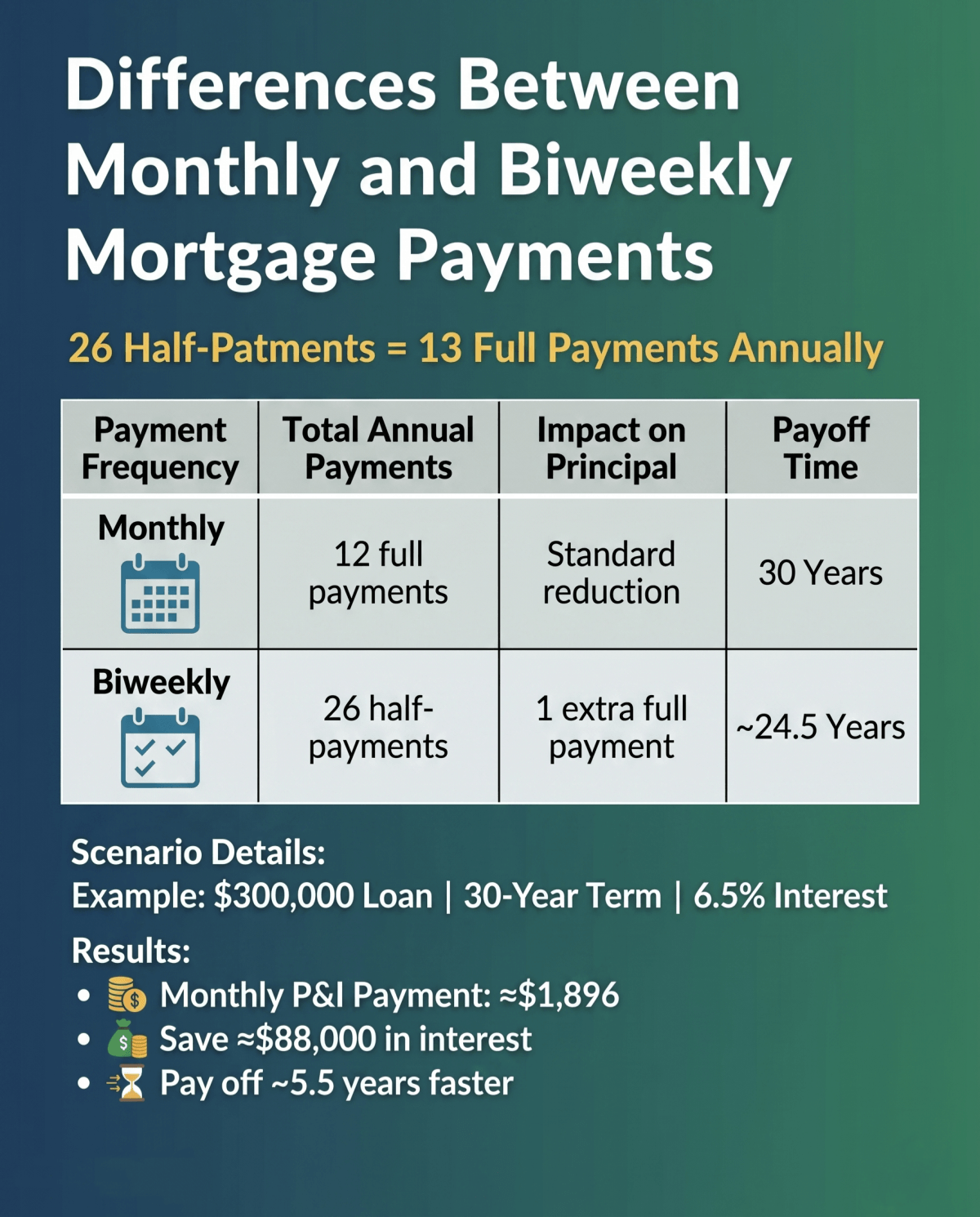

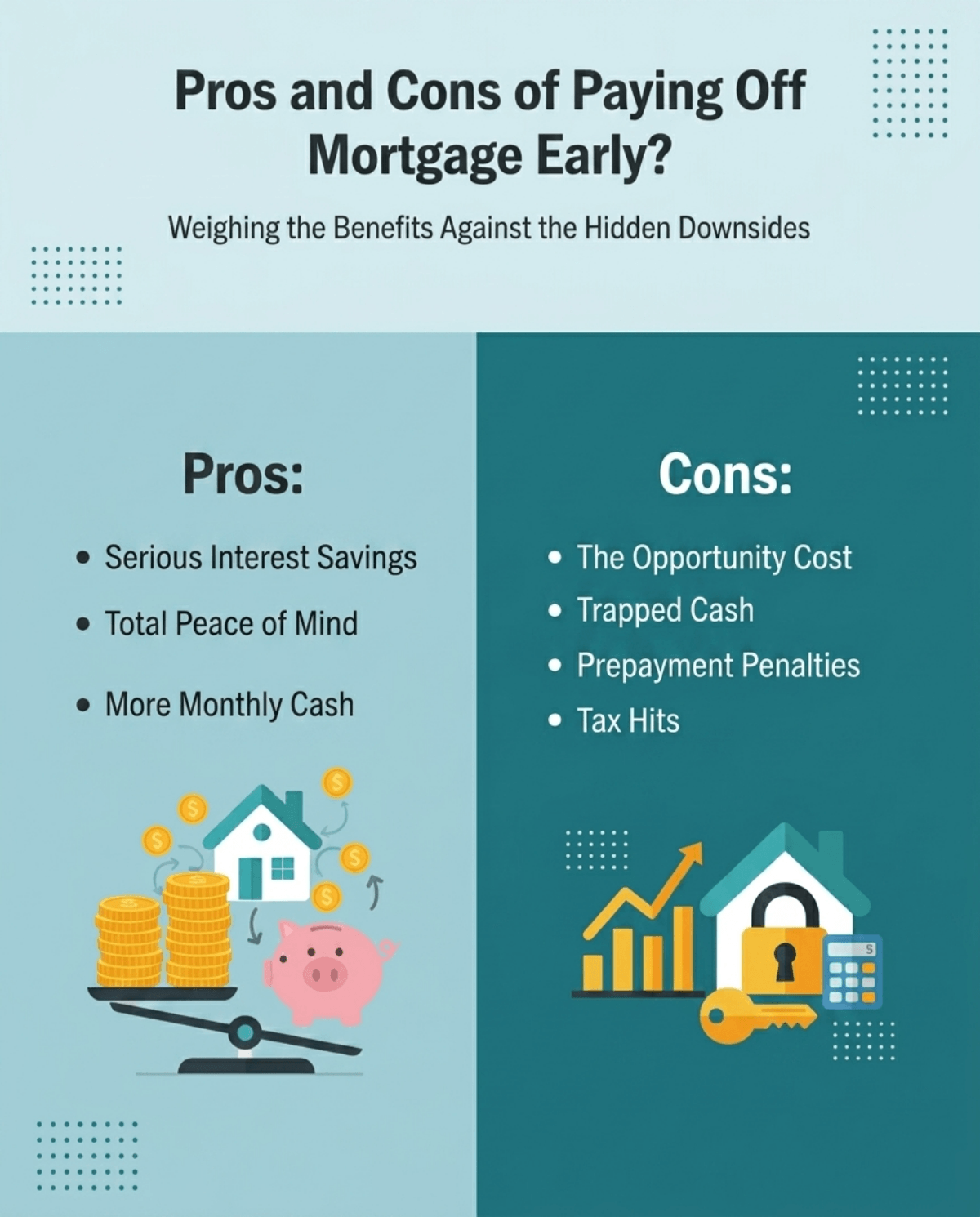
![[8 Tips] How to Pay Off a Mortgage Early?](https://cdn.prod.website-files.com/6731bc6e813a541b54c30b10/6a0574f718464102613dd21c_paying-off-mortgage-early-tips.png)
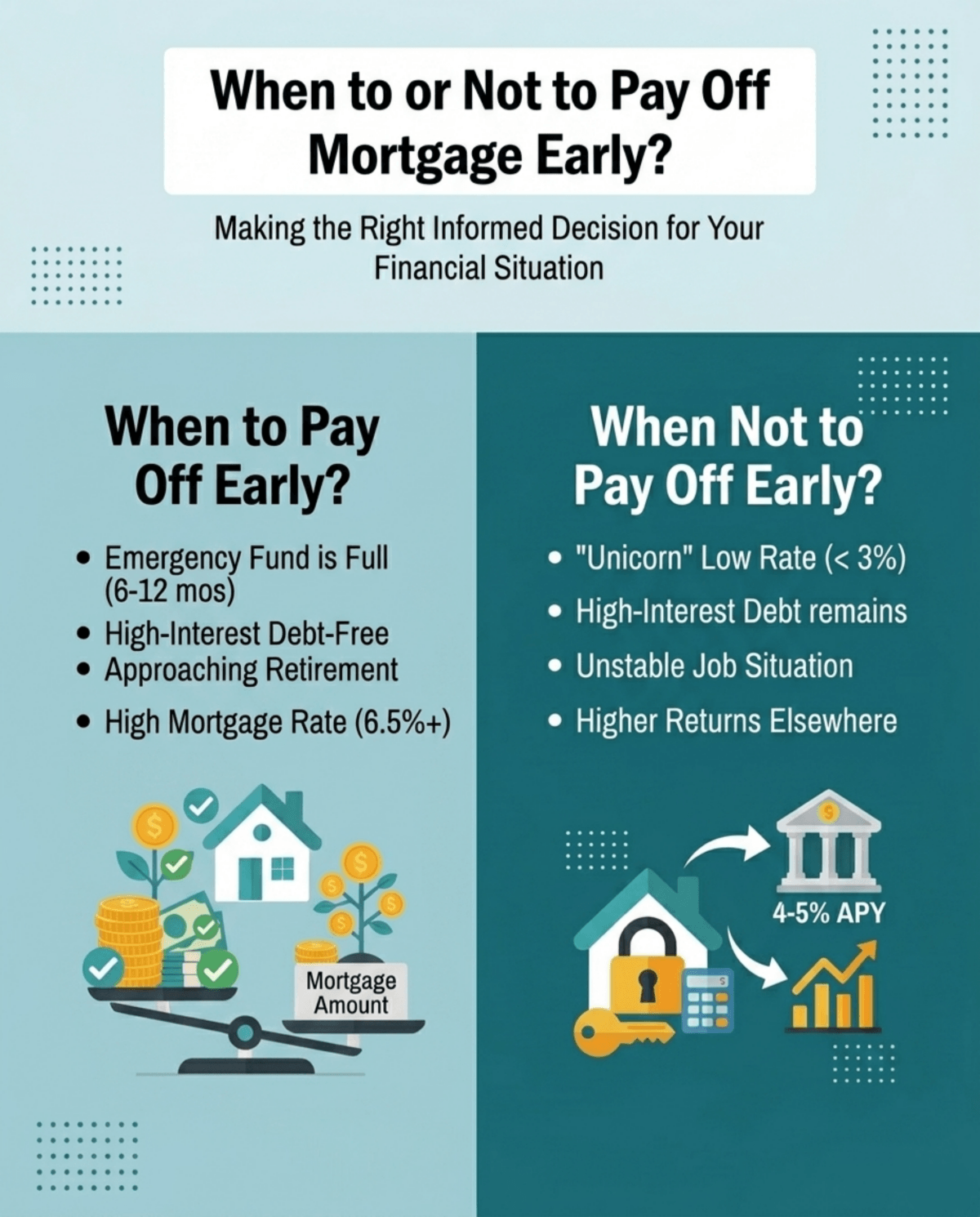
![[Solved] What Debt-to-Income Ratio is Needed for a Mortgage?](https://cdn.prod.website-files.com/6731bc6e813a541b54c30b10/6a056583727fb01173eb93f8_what-debt-to-income-ratio-is-needed-for-a-mortgage-banner.png)
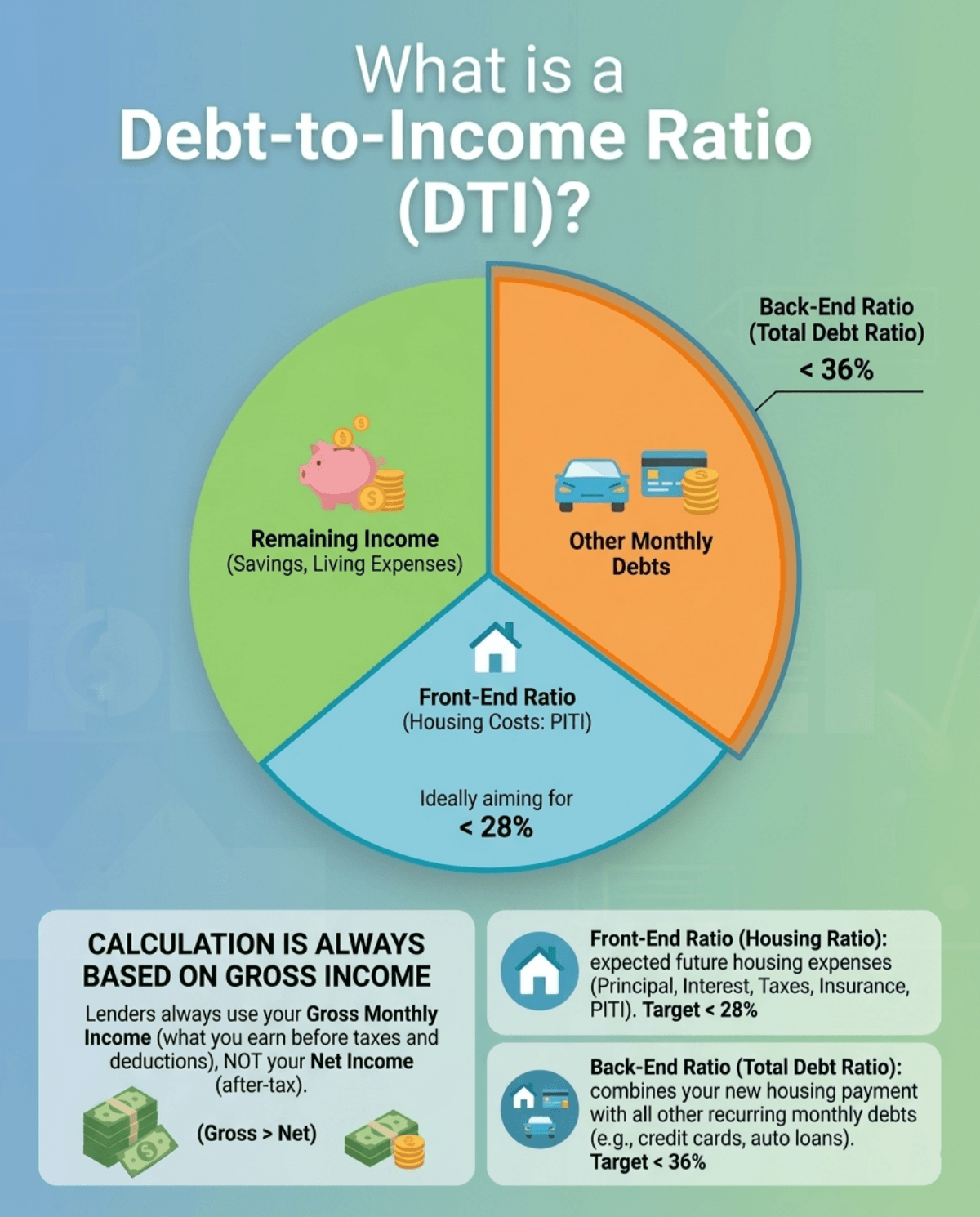

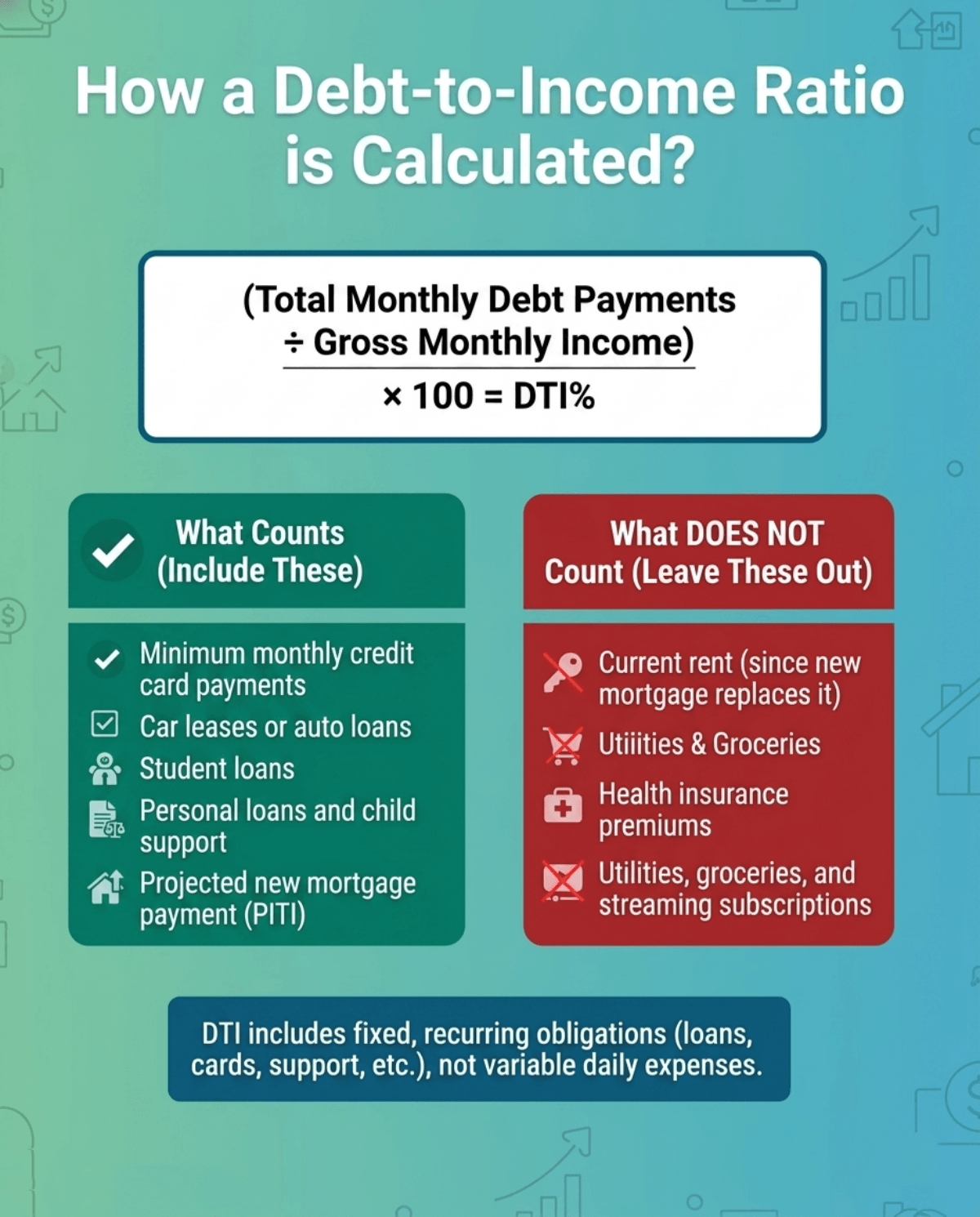

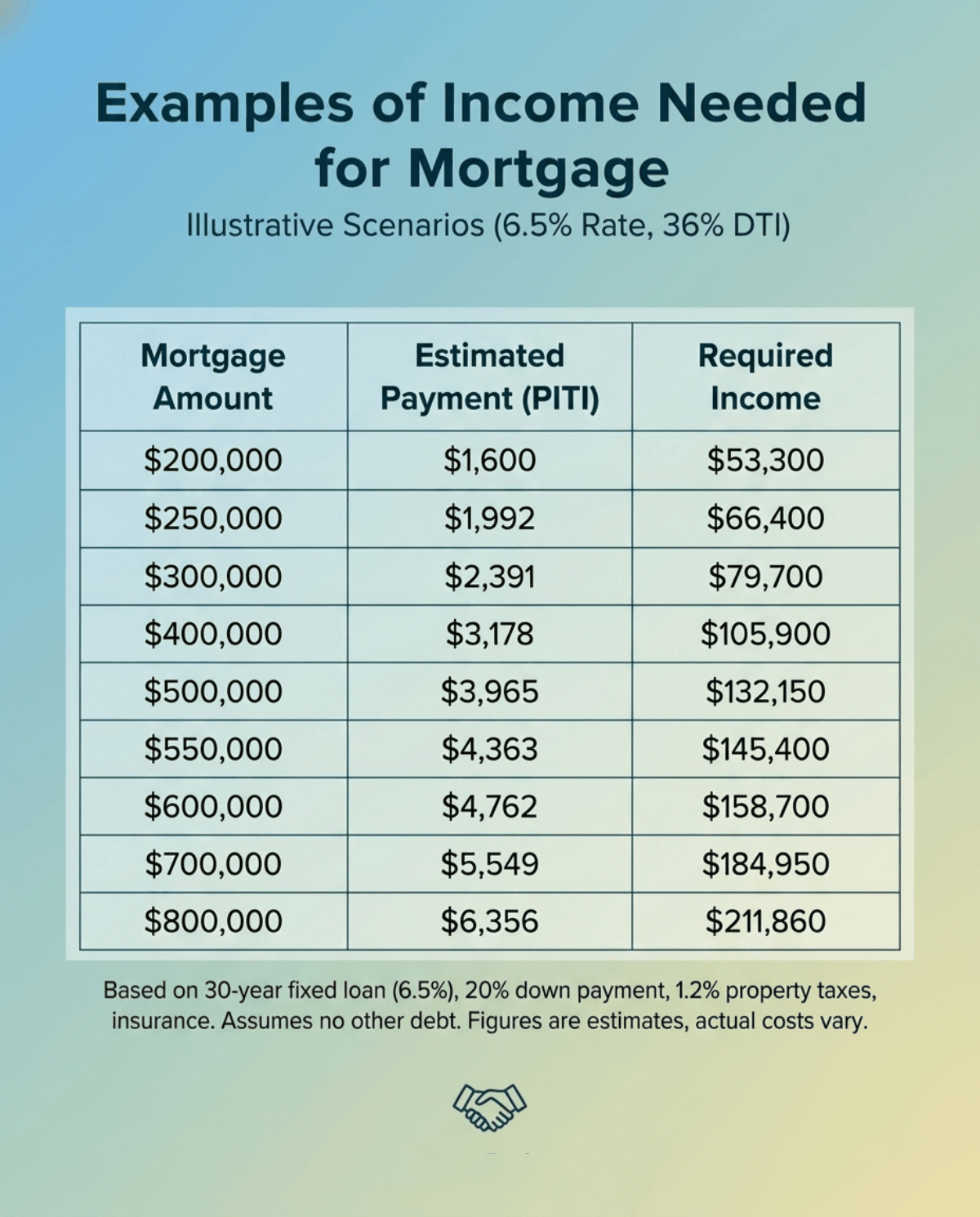

![[Explained] Bank Statement Loans: Requirements, Pros & Cons](https://cdn.prod.website-files.com/6731bc6e813a541b54c30b10/6a0428043d5087bc7742c128_bank-statement-loans-banner.png)