When I first considered transitioning into the mortgage industry, my biggest question was simple: how do loan officers actually get paid, and is the income as high as everyone says? If you are looking to change careers or become a licensed loan officer, understanding the commission structure is crucial. Let's dive straight into how much you can realistically earn and how those paychecks land.
Key Takeaways
Commission Structure: Most loan officers earn a percentage of closed loans, typically ranging from 0.5% to 2.5%.
Diverse Pay Models: Compensation ranges from pure commission to salary-plus-commission.
Regulatory Limits: Federal laws prevent pay variations based on loan interest rates.
Realistic Income: Average annual earnings span from $74,000 to over $180,000 based on loan volume.
Do Loan Officers Get Commission?
Yes, the vast majority of mortgage loan officers are compensated primarily through commissions. In my experience, this commission-driven model is what attracts top-tier talent, as it directly ties your hard work to your earning potential. Depending on the company you work for, you will typically encounter one of three main compensation structures:
Commission-Only: Common at independent brokerages. You receive no base salary, but you earn the highest possible percentage of the loan amount.
Salary Plus Commission: Salary, salary-plus-bonus, fixed-per-loan pay, and commission-based models may all be used at banks and credit unions.
Flat Fee: Some lenders use a fixed amount per loan, and whether that model applies to junior originators depends on the employer.
How Much Commission Does a Loan Officer Make?
On average, a loan officer earns between 0.5% and 2.5% in commission per closed loan, with 1% being the typical industry standard. In many cases, commission is calculated based on the loan amount rather than the purchase price, though pay structures vary by lender.
To see how the math works, imagine you close a $400,000 mortgage. At a 1% commission rate, the gross commission paid to your brokerage is $4,000. However, you don't pocket all of it. Your net payout depends on your negotiated commission split. If you have an 80/20 split with your broker, you will take home $3,200, while the brokerage retains $800 to cover overhead. In my early days, negotiating a fair split was just as important as generating the leads themselves, so always review your brokerage contract carefully.
Average Salary of Loan Officers
Because commissions fluctuate with the housing market, annual earnings vary widely. According to the U.S. Bureau of Labor Statistics, the median annual wage for loan officers is $74,180, with the top 10% of earners clearing more than $145,780. Meanwhile, job platforms like Indeed report average annual salaries exceeding $185,000, heavily driven by high-volume, commission-only originators.
From what I've seen in the field, your actual income depends heavily on your geographic region, local home prices, and your referral network.
This wide spectrum proves that while the floor is low for those who struggle to find clients, the ceiling is virtually non-existent for driven professionals.
In many commission-based roles, pay is triggered when the loan closes and funds, but some lenders use salary or hybrid compensation structures. Once the loan is funded, the closing agent distributes the gross commission to your brokerage, which then processes your split.
Many brokerages utilize a "draw against commission" system. This means they provide you with a regular advance payment to cover living expenses, which is later deducted from your earned commissions. Federal rules prohibit mortgage loan originator compensation from varying based on loan terms or conditions, including interest rate, fees, or other covered terms.
FAQs About Loan Officer Commission
Q1. How much commission do loan officers make on a $500,000 loan?
On a $500,000 loan, a standard 1% commission generates $5,000 gross. If your contract dictates an 80/20 split, you will personally earn $4,000. Under a bank's salary-plus-commission model, you might earn a much lower flat bonus, such as $500 to $1,000, but with a guaranteed base.
Q2. Will MLO be replaced by AI?
No, AI will not replace mortgage loan officers. While automated systems are excellent for processing paperwork, uploading documents, and verifying credit scores, borrowers still demand human guidance. Navigating a mortgage is highly emotional and legally complex. Real estate agents and buyers want a trusted human professional to solve sudden underwriting issues, offer empathy, and negotiate complex financial scenarios.
Q3. Do loan officers get commission in California?
Yes, but California enforces strict labor laws. All California loan officers must receive at least the state's minimum wage of $16.90 per hour for all hours worked, regardless of closed deals. If an MLO is classified as non-exempt, employers must also pay overtime. Thus, pure commission plans in California are highly regulated to protect employee wages.
Q4. How much does a loan officer make per loan?
Typically, a loan officer nets between $2,000 and $5,000 per closed loan. This estimate assumes a standard loan size of $300,000 to $500,000 and a typical commission split, though high-end luxury loans can yield significantly higher single-payday results.
Q5. Do loan officers pay for their own marketing and leads?
It depends on your business model. In my experience, commission-only independent brokers must fund their own marketing, CRMs, and lead generation, which eats into their profits but offers higher commission splits. Conversely, retail bank loan officers receive company-provided leads and marketing support, but accept a much lower commission percentage in return.
Conclusion
Navigating the world of loan officer commission can seem complex at first, but it ultimately offers one of the most rewarding financial paths in the real estate sector. Whether you choose the stability of a retail bank or the unlimited earning potential of an independent brokerage, your success will depend entirely on your work ethic and ability to build strong referral relationships.
If you are ready to take control of your financial future, your next step is to research your state's licensing requirements and prepare for the National Mortgage Licensing System exam. The effort is significant, but the payoff is entirely in your hands.
What is a bank statement, and why do lenders need it? Discover what's included, how to download e-statements, and how long to keep them for tax purposes
I still remember applying for my first apartment. The landlord casually asked for my "recent bank statements," and I honestly panicked a little. What exactly did he want to see? If you're trying to get a mortgage, secure a car loan, or even apply for a visa, you will run into this exact request.
Basically, a bank statement is just an official summary of the money moving in and out of your account. Let's break down exactly what's inside these documents, the easiest way to grab them, and why they matter so much.
Key Takeaways
It's a monthly snapshot from your bank detailing every deposit, withdrawal, and fee.
You can usually download digital versions (e-statements) for free through your bank's website or mobile app.
Lenders rely on them heavily to verify your income and track spending habits.
For tax-related records, keep them for at least three years, and longer in cases where the IRS retention period may extend to six or seven years.
What is a Bank Statement?
Think of it as a detailed financial report card. A bank statement is a formal document your bank or credit union issues, usually every single month, that tracks every penny moving through your account. Because it is issued by a financial institution, it serves as an official financial record.
Nowadays, you mainly deal with two versions. First up are Electronic Bank Statements (e-Statements). I honestly prefer these. They are digital PDFs you can download instantly, and they usually contain the same information as paper statements. Then you have traditional Paper Bank Statements. Sure, getting physical mail is nice, but be careful. Some banks charge a monthly fee for paper statements, but the amount varies by institution.
What is Included in a Bank Statement?
Opening a PDF packed with tiny numbers might trigger a headache, but the layout is surprisingly predictable once you know what to look for. Here is the standard breakdown:
Bank & Personal Information: Up top, you'll spot the bank's logo alongside your full name and registered home address. Because this info is verified, these documents can sometimes be used as proof of address if they show your name, current address, and a recent issue date.
Account Details: This section shows your account type (like checking or savings) and your account number, though they usually hide the first few digits for security.
Account Summary: A quick snapshot highlighting the specific dates covered (the statement period), exactly what you started with (beginning balance), and what you had left at the end.
Itemized Transactions: This is the main event. It's a chronological list of every single action—paychecks hitting your account, that late-night pizza slice, ATM trips, and Zelle transfers.
Fees and Interest: A transparent look at any maintenance fees, painful overdraft charges, or the APY interest your money earned that month.
What is a Bank Statement Used For?
You might wonder why anyone besides you cares about these logs. In the real world, these documents unlock a lot of doors. I've personally had to hand them over for a few major life events:
Mortgage & Loan Applications: When you apply for a mortgage, lenders review bank statements to verify the source of funds and check for irregular deposits, alongside other documents used to calculate your debt-to-income ratio.
Proof of Address: Government agencies and utility providers love seeing these because they instantly verify where you actually sleep at night.
Renting an Apartment: Landlords use them to double-check that you make enough money to cover the monthly rent without struggling.
Tax Preparation: Come April, your CPA will want these to verify self-employment income or prove those business expenses you're writing off.
The Importance of a Bank Statement
Even if you aren't trying to secure a loan right now, ignoring these monthly summaries is a bad idea. Making a habit of reviewing them is arguably the best thing you can do for your personal finances.
Security & Fraud Detection: Skimming your transactions is the fastest way to catch a stolen credit card number or weird subscription charges before they drain your account.
Budgeting & Cash Flow: It forces you to face reality. Seeing exactly how much you spent on takeout makes adjusting your budget much easier.
Accuracy: Banks aren't flawless. I've personally caught accidental double-charges and sneaky hidden fees just by paying attention.
Documentation: Having a solid paper trail saves you if you ever face a tax audit or need to prove a specific bill was paid on time.
Bank Statement Example
If you've never really examined one, picture a clean, highly structured letter. The top right corner proudly displays the bank's logo, while your name and address sit across from it on the left. Just below that personal info, a bolded summary box highlights the crucial math: your starting cash, total money in, total money out, and what's left.
The bottom portion takes up the most space. It's basically a massive, chronological receipt showing the exact date and amount for every coffee, paycheck, and bill payment.
How to Get a Bank Statement?
So, your lender needs your records by tomorrow. Don't panic. You have a few different ways to grab them, ranging from instant to waiting on the mailman:
Online or Mobile Banking (The Best Way): I rarely do things in person anymore. Just log into your banking app or website, find the "Statements & Documents" section, and pick the months you need. Always hit the download button to save an official PDF. Trust me, loan officers will immediately reject a rough screenshot from your phone.
In-Branch Request: If you happen to be near your local branch or need someone to physically stamp the paper, walk right in. Hand the teller your driver's license, and they'll print it for you. Just watch out. Some branches charge a couple of bucks per page.
By Mail: You can always call customer support and request a paper copy of a specific month. You could also tweak your account settings to get paper mail regularly again. Keep in mind, the postal service takes about 5 to 7 business days.
ATM (Mini Statement): Need something quick? ATMs can print a tiny receipt showing your last few transactions. Just remember, nobody accepts this as an official document.
How to Read a Bank Statement?
You definitely don't need an accounting degree to figure this out. I always start by glancing at the top: does the final balance actually match the cash I thought I had? From there, quickly scan your withdrawals. You are hunting for unusually large numbers, subscriptions you swore you canceled, or payee names you don't recognize.
This quick check-up is called "reconciling." You're just comparing your own mental notes or budget app against the bank's official log. If the math feels off, call them right away.
How Long Should You Keep Bank Statements?
I used to stuff every piece of financial mail into a shoebox until I finally learned the actual rules. For everyday checking accounts, keeping statements for at least one year is a common rule of thumb, though longer retention may be needed for tax or legal purposes.
However, taxes change the game. The IRS suggests holding onto them for three to seven years if they back up a business expense, home purchase, or major tax deduction. Instead of drowning in paper, I highly recommend downloading the PDFs and tossing them into a secure, encrypted cloud folder.
FAQs About a Bank Statement
Q1. What are bank statement mortgage guidelines?
When you apply for a house, lenders usually ask for two solid months of records. They often want to see every page, including any blank pages, to make sure nothing is missing and to check for stable paychecks and flag any mysterious large deposits.
Q2. Can a bank statement be used as proof of address?
Absolutely. Some DMV offices, government agencies, and landlords may accept bank statements as proof of address, provided they meet the organization's date and format requirements. Just make sure your name and address match your application perfectly and the date is recent (usually within 90 days).
Q3. Are screenshots of a bank statement acceptable?
Screenshots are usually not accepted because they are harder to verify than an official PDF from the bank.Mortgage brokers and government agencies will reject cell phone screenshots because they are too easy to fake in Photoshop. Always provide the unedited, official PDF directly from your bank's website.
Q4. Does everyone have bank statements?
Bank statements are issued for many types of financial accounts, including checking, savings, money market, and other eligible accounts. If you operate entirely in cash or use prepaid debit cards, you are considered "unbanked" and won't get these official summaries.
Q5. How often are bank statements issued?
Most of the time, they hit your inbox once a month. However, if you have a slow-moving savings or investment account that calculates interest differently, you might only see one every quarter (three months).
Q6. How to reconcile a bank statement?
It's just matching things up. Pull up your personal budget tracker or receipts and compare them against the bank's log line by line. You want to make sure no money vanished and no extra fees sneaked in.
Conclusion
Honestly, getting comfortable with these documents is a huge step toward taking control of your financial life. Whether you are prepping to buy your first home, trying to rent a better apartment, or just wanting to spot where your cash is leaking, these summaries tell the real story.
Do yourself a favor and switch to e-statements if you haven't already. It stops mail theft, saves trees, and keeps annoying fees out of your life. Take five minutes this week to download your latest copy and see exactly where you stand.
What is a WVOE (Fannie Mae Form 1005)? Discover why mortgage lenders require a Written Verification of Employment and how it impacts your home loan approval.
When I bought my first home, the mountain of paperwork felt endless. Just when I thought my standard paystubs and W-2s were enough to prove I could afford a mortgage, my loan officer asked for a WVOE. If you are going through the mortgage approval process right now, you might be wondering what this is.
A WVOE, or Written Verification of Employment, is commonly documented using Fannie Mae Form 1005, the Request for Verification of Employment. It is a crucial document lenders use to confirm your job history and income directly with your employer. Understanding how it works can make your loan approval much smoother.
Key Takeaways
The Core Definition: A WVOE is an official document completed by your employer to verify your income and job status.
Direct Routing for Security: For first mortgages, the lender must send the form directly to the employer and receive it back directly; for some second mortgages, the borrower may hand-carry it to the employer.
Detailed Breakdown: It may verify base pay, year-to-date earnings, overtime, commissions, bonuses, and the probability of continued employment.
Meaning: What is a WVOE for a Mortgage?
So, what exactly does this form mean for your application? From an underwriting perspective, a WVOE serves as an independent, third-party cross-check of your financial reality.
You might be thinking, "I already handed over months of paystubs and tax returns. Why do they need this?" Lenders use the WVOE to help verify employment and income, which supports underwriting and repayment assessment.
While your W-2 shows what you made last year, the written verification proves what you are earning right now and clarifies complex income structures. It is essentially your lender's way of fact-checking your application before handing over hundreds of thousands of dollars.
If you have never seen Fannie Mae Form 1005, it helps to know exactly what goes into it. Here is a breakdown of the core elements your lender is looking for:
Purpose: It gives underwriters a clear, categorized view of your earnings. This is especially important if a chunk of your take-home pay comes from commissions, heavy overtime, or annual bonuses.
The Process (Crucial!): This is a strict anti-fraud measure. For conventional first mortgages, the form should not pass through the borrower. However, second mortgages may allow the borrower to hand-carry the form to the employer.
Information Verified: It digs deep. The document confirms your exact dates of employment, current job title, a breakdown of base pay vs. extra earnings, year-to-date (YTD) income, previous years' earnings, and your probability of continued employment.
Who Fills It Out: It must be completed by an authorized company representative—usually someone in Human Resources, the payroll department, or your direct supervisor.
Alternatives: While written verifications offer historical depth, lenders also use a Verbal VOE (VVOE). A verbal re-verification is often completed within 10 daysbefore the note date to confirm the borrower is still employed.
When is a WVOE Used?
Not every single mortgage application requires a physical Form 1005, but you will definitely encounter it in several specific scenarios:
Variable Income Earners: If your paycheck fluctuates because you rely heavily on overtime, shift differentials, tips, or performance bonuses, lenders need the WVOE to calculate your qualifying average income.
Incomplete Documentation: Sometimes, your standard W-2s or recent paystubs might be smudged, missing pages, or simply don't provide a comprehensive financial picture.
Recent Job Changes: If you just switched companies or received a major promotion, lenders need this form to verify your new compensation structure and start date.
Specific Loan Types: Some government-backed loans may require employment verification, but lenders can use written VOE, verbal re-verification, or approved third-party electronic verification, depending on program rules.
Who Needs to Fill out a VOE Form?
I often see homebuyers get confused about their responsibilities here. Let me clear this up: you and your employer have two very distinct roles, and blurring them can pause your loan.
The Borrower (You): Your only job is to sign Part I of the form. Your signature acts as a legal authorization, giving your employer permission to release your private financial data to the lender.
The Employer (HR/Payroll): They handle Part II. An authorized representative must calculate your income data, fill out the specific financial fields, and sign the bottom to certify its accuracy.
Under no circumstances should you ever try to fill in your own income numbers.
How Can I Get an Employment Verification Form?
You won't have to hunt down this PDF yourself. Here is exactly how the WVOE workflow happens:
Authorization: Your lender will provide Form 1005. You just sign Part I to authorize the release of information.
Lender Dispatch: The mortgage company securely emails, faxes, or mails the request directly to your employer's HR department.
Employer Return: Once completed, your company sends the certified document straight back to the underwriter.
Today, many large companies use automated third-party verification systems like Equifax's The Work Number. If so, the physical paper process is completely replaced by instantaneous electronic data retrieval!
FAQs About WVOE Mortgage
Q1. What is a WVOE request?
A WVOE request is an official inquiry sent directly from a mortgage lender to a borrower's employer. Its purpose is to securely verify the applicant's job history, position, and detailed income breakdown to ensure they qualify for the home loan.
Q2. Is a WVOE different from a verbal VOE (VVOE)?
Yes. A WVOE is a detailed, written financial breakdown gathered early in underwriting. In contrast, a VVOE is usually just a quick, 5-minute phone call lenders make to your employer right before closing to ensure you are still actively employed.
Q3. Can a borrower fill out their own WVOE?
Absolutely not. You are only allowed to sign the authorization section. Filling in your own income figures or handling the completed document violates strict anti-fraud rules and can be considered mortgage fraud, instantly killing your loan approval.
Q4. How long does a WVOE stay valid?
Timing requirements vary by loan program, but FHA guidance requires employment re-verification within 10 days before the note date, and certain third-party electronic data must be current within 30 days. If your closing gets significantly delayed, the underwriter will likely need to request a fresh verification.
Q5. What happens if my employer refuses to fill out the WVOE?
If your HR department is unresponsive, don't panic. Lenders can usually pivot to alternative documentation. They might ask you for additional tax transcripts, extensive bank statements, or pull electronic data through third-party services like The Work Number to satisfy the requirement.
Final Word
Buying a house comes with a lot of paperwork, but the Written Verification of Employment is just a standard safety measure. It protects everyone involved by confirming you can comfortably handle the new monthly payments.
If I can leave you with one practical tip, it's this: give your HR department a quick heads-up early on. Tell them a mortgage company will be reaching out for a verification request. When they know to watch out for that specific email or fax, they'll handle it much faster, keeping your home closing perfectly on schedule!
Unsure if you should itemize your taxes this year? Discover the 2026 mortgage interest deduction rules, limits, and FAQs to see if it's worth it for you.
Paying off a house is tough enough without leaving money on the table come tax season. If you're a homeowner looking to maximize your 2026 tax refund, you've probably wondered how the mortgage interest deduction actually works this year.
With the recent 2025 tax extension legislation keeping many of the old rules in place, a lot of the provisions we thought were expiring just became our new normal. I've broken down exactly what the IRS expects from you for the 2026 tax year, so you can stop stressing and start saving.
Key Takeaways
Before we get into the weeds, here is exactly what you need to know:
You can write off interest on up to $750,000 of your loan or $1 million if you bought before Dec 16, 2017.
You must ditch the standard deduction and choose to itemize to get this benefit.
For 2026, the mortgage interest cap remains in effect, and the standard deduction has been adjusted upward for inflation.
What is the Mortgage Interest Deduction?
This deduction is the government's way of rewarding you for buying a house. It lets you subtract the interest you pay on your home loan directly from your taxable income. But the IRS doesn't just hand this out freely—there are strict boundaries.
Loan Limits: If you took out your mortgage after December 15, 2017, the deduction is capped at the first $750,000 of your debt. Older loans still enjoy the legacy $1 million limit.
Itemizing Required: You have to file Schedule A (Form 1040). You can't take the standard deduction and claim your mortgage interest. It's one or the other.
Qualified Loans: The house has to actually secure the loan. This works for your primary residence and a second home, whether it's a traditional house, condo, or even a mobile home.
Home Equity Debt: Taking out a HELOC to pay off credit cards? That interest isn't deductible. The funds must be used to physically buy, build, or substantially upgrade the property.
Points and Fees: If you bought down your interest rate by paying "points" upfront, you can usually deduct those in the year you paid them.
How Does Mortgage Interest Deduction Work?
The whole thing is basically a math competition between two numbers: the standard deduction and your itemized expenses. Every year, the IRS gives everyone a flat baseline deduction. For 2026, a married couple filing jointly gets a standard deduction of $32,200. You only win if your specific, individual expenses add up to more than that baseline.
Let's say you and your spouse paid $18,000 in mortgage interest last year. You also paid $8,000 in state property taxes and gave $6,000 to your local food bank. Add those up, and you hit $32,000 in itemized deductions. Since $32,000 beats the standard deduction, you'd itemize. That extra difference is where your real tax savings kick in.
How Much Can You Deduct?
The amount you can wipe off your taxes relies entirely on when you borrowed the money and how much you still owe. If your mortgage debt qualifies and stays within the applicable limit, you may generally deduct all of the home mortgage interest you paid for the year. If your loan is bigger than that, you'll have to calculate a percentage.
Also, if you bought a place with a friend or partner (and you aren't legally married), the IRS only lets you claim the exact portion of interest you personally paid. Don't guess these numbers. In late January 2027, your lender will generally send you Form 1098 by January 31. That little piece of paper has the exact dollar amount you need to put on your tax return.
What Qualifies as Mortgage Interest?
I often see folks assume any money sent to their lender counts as a write-off. Unfortunately, the IRS is pretty picky. Here is what actually qualifies:
Primary loan interest: The actual interest charge on your main mortgage statement.
Home equity loan interest: Only if you used the cash to put on a new roof, remodel a kitchen, or make another major property improvement.
Late payment penalties: Late payment charges may be deductible as home mortgage interest if they are not for a specific service performed in connection with the mortgage loan.
Prepayment penalties: Prepayment penalties may be deductible as home mortgage interest if the fee is not for a specific service performed or cost incurred in connection with the loan.
What Is NOT Deductible?
This is where people make the most expensive mistakes on their returns. The IRS will absolutely reject your deduction if you try to claim the wrong housing expenses. Here is what you cannot deduct:
Principal payments: This is the big one. You can never deduct the money that actually pays down your loan balance. Only the interest.
Homeowners insurance: Your standard hazard or fire policies don't count.
Closing costs: Appraisal fees, title insurance, and credit report checks are strictly off-limits.
Reverse mortgage interest: You can't deduct this until you actually pay it, which normally doesn't happen until you move out or sell the home.
How to Claim the Mortgage Interest Deduction for the 2026 Tax Year
Ready to actually do the paperwork? The process isn't as scary as it sounds. Here is the step-by-step workflow I use when gathering my own tax documents:
Track down your Form 1098: Keep an eye on your mail or your lender's online portal around late January. Look at Box 1—that's your official interest paid for 2026.
Tally your other write-offs: Don't file yet. Dig up your receipts for significant medical bills, your state and local taxes (SALT, which is currently capped), and any charitable donations you made during the year.
Run the numbers: Combine everything from Step 2 with your mortgage interest. Is that final number higher than the 2026 standard deduction for your filing status?
Fill out Schedule A: If your itemized total won the math battle, ignore the standard deduction. Report your mortgage interest on Schedule A (Form 1040) and attach it to Form 1040.
Should You Claim the Mortgage Interest Deduction?
It really depends on your lifestyle and where you live. Here is my general rule of thumb:
When to say Yes: You bought a pricey house recently (meaning your early payments are mostly interest), you donate a lot to charity, or you live in a state with very high income taxes. Itemizing will probably save you a ton.
When to say No: You're single with a small loan balance, or you've owned your house for 15 years and are mostly paying down the principal. The standard deduction is easier and will give you a bigger refund.
FAQs About Mortgage Interest Deduction
Q1. What loans qualify for a mortgage interest deduction?
You can write off interest from a primary mortgage, a second mortgage, or a HELOC. The main catch is that the loan must be legally secured by your primary or secondary home. Also, any home equity funds must be used for actual structural improvements, not personal expenses.
Q2. What are the pros and cons of the mortgage interest deduction?
The biggest pro is the potential to slash your taxable income by thousands of dollars, especially in the early years of homeownership. The downside? You have to keep meticulous receipts to itemize, and the financial benefit naturally shrinks over time as you pay off the principal.
Q3. Is home mortgage interest 100% deductible?
No, it's not unlimited. The IRS strictly caps how much debt qualifies. You can only deduct the interest tied to the first $750,000 of your mortgage balance. If you borrowed $900,000, you can only claim a prorated percentage of your total interest paid.
Q4. What are the new rules for mortgage interest deduction?
For 2026, the big news is that the $750,000 cap was recently extended instead of expiring. With the standard deduction remaining historically high, fewer people will naturally itemize, but high-cost area homeowners will still heavily rely on this deduction to lower their tax burden.
Q5. What is the mortgage interest deduction limit for a Single Person?
A single person has the exact same $750,000 loan limit as a married couple filing jointly. However, if you are legally married but decide to file separate returns, the IRS cuts your individual limit completely in half, dropping it down to $375,000.
Final Word: Is a Mortgage Interest Deduction Worth It?
Absolutely. If your total deductible expenses surpass the IRS standard deduction, claiming your mortgage interest is one of the smartest financial moves you can make. It's a completely legal way to shield thousands of your hard-earned dollars from the government. Just remember that it requires a bit of math and organization.
A quick heads-up: I'm sharing my personal understanding of these rules, but tax codes are notoriously tricky and change based on your location. Before you file your 2026 returns, please run your numbers by a licensed CPA or a qualified tax professional to make sure you're protected.
Do lenders use gross or net income for a mortgage? Discover why banks rely on gross pay for approval, how DTI is calculated, and how to budget safely.
I've seen countless homebuyers get confused during pre-approval. You look at your paycheck, see what actually hits your bank account, and think: "Why is the bank calculating a loan amount that seems way higher than what I can afford?"
The answer comes down to one simple rule. For many borrowers, lenders use gross income to calculate qualification, but income may be adjusted differently depending on the loan program and income type.
However, to avoid real-life financial stress, you must rely on your Net Income (your actual take-home pay) to build your budget. Let me show you exactly why banks do this and how it impacts your homebuying power today.
Employment type matters: W-2 workers and self-employed applicants face vastly different income evaluations.
Your budget relies on Net Income: While banks approve you based on gross pay, your take-home pay determines your true affordability. Don't borrow the maximum just because you can!
Do You Use Gross or Net Income for a Mortgage?
For standard home loans like Conventional, FHA, and VA mortgages, lenders use your Gross Monthly Income. That is the amount you earn before taxes, insurance premiums, and retirement contributions are deducted.
Why? Because it gives banks a fair, standardized baseline to compare your finances against other borrowers. Everyone has different tax brackets and optional deductions, like a 401(k) or health savings account (HSA). Using gross pay removes those variables, allowing underwriters to purely evaluate your overall earning power.
Core Differences: Gross vs. Net Income in Mortgage Applications
These two numbers play completely different roles in your homebuying journey. One is for the underwriter's spreadsheet, and the other is for your personal peace of mind. Here is how they compare.
Definition
Your Gross Income is the big number at the very top of your pay stub. It represents all the money you earned during a pay period before a single dime is taken out for federal or state taxes, Social Security, Medicare, union dues, or health insurance.
On the flip side, Net Income is what we often call your "take-home pay." It is the exact amount that eventually gets deposited into your checking account after all mandatory and voluntary deductions are stripped away. Understanding this distinction is step one, because mixing them up is the easiest way to derail an application right out of the gate.
Purpose in Loan Approval
Banks rely heavily on gross income because it acts as the denominator when calculating your Debt-to-Income (DTI) ratio. Whether they are looking at your front-end DTI (just your housing costs) or your back-end DTI (your housing costs plus credit cards, student loans, and auto loans), the math always starts with your pre-tax earnings.
This is the primary metric lenders use to assess your absolute highest repayment capacity. They essentially want to know your raw earning power before your personal lifestyle choices or tax strategies shrink that number down. If you make $8,000 gross a month, that is the exact figure the automated underwriting system uses to greenlight your file.
Non-Discretionary vs. Discretionary Deductions
Have you ever wondered why lenders don't just look at what hits your bank account? It is because many paycheck deductions are entirely voluntary, or "discretionary." For example, if you aggressively contribute 15% of your paycheck to a 401(k) or overpay your taxes to get a big refund, your net income looks artificially low.
A lender knows that, if push comes to shove and you need to make your mortgage payment, you could simply pause those retirement contributions. Because you have the power to control these optional deductions, banks feel comfortable basing your loan approval on your gross earning potential.
Budgeting Reality for Borrowers
Here is where I always warn my clients: just because the bank uses your gross income doesn't mean you should. This disconnect is exactly how buyers end up "House Rich, Cash Poor."
For example, if a lender approves you for a $4,000 monthly payment based on a $10,000 gross income, that is only an illustration, because actual approval also depends on taxes, insurance, debts, and loan program rules. They aren't considering the fact that your real take-home pay is only $6,500.
After you pay that mortgage, you might barely have enough left for groceries, gas, and emergencies. To protect your financial health, always run your personal living budget using your net income, regardless of the maximum loan amount you get approved for.
How Do Lenders Evaluate Income?
When an underwriter reviews your file, they don't just glance at a W-2 and call it a day. The way they calculate your qualifying income depends heavily on how you earn your money.
W-2 Employees: If you earn a steady salary or hourly wage, the process is usually straightforward, but lenders still verify employment history, recent pay stubs, and other supporting documents. But if your income fluctuates with overtime, bonuses, or commissions, lenders will generally require a two-year track record. They will average out those extra earnings over 24 months to ensure stability.
Self-Employed Individuals: This is where things flip. If you own a business, lenders actually look at your tax returns (like Schedule C) and focus on your Net Profit—your business revenue minus expenses. However, there is a silver lining. Underwriters will do "add-backs," returning non-cash deductions like depreciation to your bottom line, which artificially boosts your qualifying income.
Non-Taxable Income (Grossing Up): If you receive tax-free money, like disability benefits or Social Security, underwriters apply a neat trick called "grossing up." For certain non-taxable income types, lenders may apply a gross-up adjustment, often 25%, depending on program rules and the income source.
Debt-to-Income (DTI) Ratio: Once they finalize your gross figure, they use it to ensure your total monthly debts don't exceed that sweet spot of 36% to 43% of your income.
What are the Mortgage Income Requirements?
Income isn't just about the raw number. Stability and the type of mortgage you apply for matter just as much. Looking at the latest 2026 lending guidelines, here is what you need to know before you apply:
The 2-Year Rule: WFor variable or self-employed income, underwriters often want a 24-month history of stable earnings, while salaried W-2 income may be evaluated based on current verified employment and pay history. Job hopping within the same industry is usually fine, but sudden career changes can raise red flags.
Loan Types Matter: Your loan program dictates how strictly your income is judged. Conventional loans can allow higher DTIs in some cases, with common limits around 36% for manually underwritten loans, up to 45% for certain eligible cases, and up to 50% for DU findings. VA loans place special emphasis on residual income, while FHA loans mainly rely on DTI and other underwriting factors.
Alternative Proof of Income: If you are self-employed and your tax returns don't reflect your true cash flow, 2026 brings great news. Some Non-QM loans can use bank statements or alternative documentation instead of traditional tax-return-based income verification, depending on the product. Instead, lenders verify your income using 12 to 24 months of personal or business bank statements.
Q1. Why do lenders use gross income instead of net income?
Net income varies wildly from person to person based on tax brackets, health insurance premiums, and retirement contributions. Gross income gives lenders a universal, standardized baseline to fairly compare the financial strength and borrowing capacity of every applicant.
Q2. Is the 28% rule gross or net?
The classic 28% rule is always based on your Gross Income. This financial rule of thumb suggests that your total monthly housing expenses, including principal, interest, property taxes, and home insurance, should not exceed 28% of your pre-tax monthly earnings.
Q3. Is a mortgage 33% of gross income?
Traditionally, lenders prefer your front-end DTI (housing costs alone) to sit between 28% and 33% of your gross pay. However, some loan programs, like FHA loans, may allow your housing payment to consume up to 40% of your gross income if you have great credit.
Q4. What percentage of your income should go towards your mortgage?
While a lender might approve a mortgage taking up 28% to 30% of your gross income, personal finance experts advise a safer route. For true financial wellness, try to keep your mortgage payment under 25% to 30% of your net (take-home) pay.
Q5. Do mortgage lenders use gross or net income for self-employed?
For traditional conventional or FHA loans, lenders look at your business's Net Profit on your tax returns, plus allowable "add-backs" like depreciation. However, if you use a Non-QM bank statement loan, the lender may qualify you based on your gross business deposits.
Conclusion
Navigating the mortgage approval process can feel overwhelming, but understanding how banks view your money is half the battle. Remember the golden rule: lenders use your gross income to maximize your borrowing power, but you must use your net income to ensure you can actually afford the monthly payments. Before you start touring homes, I highly recommend getting your paperwork in order.
Gather your last two years of W-2s or tax returns, and plug your numbers into an online mortgage income calculator to estimate your DTI. Taking this step early makes qualifying for a mortgage much smoother. It helps you figure out the maximum loan you can get, and more importantly, what you can comfortably pay without losing sleep.
A loan officer's guide to calculating net income for a mortgage. Understand DTI, gross vs net pay, and how Zeitro Strata makes income verification easy.
As a loan officer for over a decade, I see homebuyers mix up take-home pay with pre-tax earnings almost every day. Understanding your true cash flow is absolutely crucial before buying a house. To figure out exact mortgage income requirements, lenders need pristine math.
That's where tools like Zeitro Strata come in handy. It allows you to upload financial documents to automatically verify and calculate earnings, keeping the entire process incredibly convenient and secure.
Key Takeaways
Gross vs. Net: Banks use your pre-tax gross earnings for loan approval, but your net pay dictates your realistic household budget.
The 25% Rule: As a personal budgeting guideline, try to keep your total housing payment at or below 25% of your take-home pay.
Smart Tech: Platforms like Zeitro Strata eliminate frustrating math errors by automating income verification.
Let's clear up a massive industry misconception right away.
Banks typically use your pre-tax gross monthly income when evaluating DTI, while your take-home pay is better used for personal budgeting and affordability planning.
As a conservative budgeting rule of thumb, many buyers try to keep housing costs near or below 25% of take-home pay, even though lender underwriting often relies on gross-income-based guidelines such as 28/36.
For variable income such as bonuses, commissions, overtime, or self-employment earnings, lenders usually require documentation that shows the income is stable and likely to continue.
So, where does your net pay actually fit into the puzzle? I always tell my clients to use their after-tax cash to determine personal affordability. It represents what you actually have in the bank for groceries and emergencies. Additionally, if you own a business, underwriters will look closely at the net profit listed on your tax returns.
Finding your true take-home pay isn't as simple as just glancing at the bottom of a pay stub, especially if you have variable paycheck deductions. Over the years, I've developed a straightforward approach to calculate employment income for personal budgeting:
Determine the Gross: Start with your total base pay before anything is touched.
Subtract Federal and State Taxes: To estimate your personal take-home pay, subtract federal, state, and local taxes, FICA, and mandatory deductions from gross income.
Remove FICA Contributions: Subtract Social Security and Medicare, which is 7.65% combined for standard W-2 workers.
Deduct Mandatory Obligations: Take out things you can't easily cancel, like union dues or mandatory retirement contributions.
Pro tip: Skip voluntary deductions like extra 401(k) allocations or health savings accounts if you could technically pause them during a financial pinch. What's left is your true, liquid monthly cash flow.
Examples of Calculating Net Income in a Mortgage
Let's look at two real-world scenarios I see at my desk every week.
Example 1: The W-2 Salaried WorkerSarah makes $6,000 gross a month. After pulling out $900 for federal and state taxes, $459 for FICA, and $100 for mandatory union dues, her actual usable cash flow is $4,541. That's the specific number she should use to plan her house hunting budget.
Example 2: The FreelancerMark is a graphic designer. As a lender, I don't look at his gross business revenue. Instead, we pull his Schedule C. Last year, his business brought in $80,000, but he wrote off $20,000 in legitimate expenses. His taxable net profit was $60,000. We typically review the most recent two years of tax returns and often average the qualifying income, though specific rules may allow other documentation in certain cases.
Mortgage Affordability Rules Based on Net Income
Once you know your exact take-home pay, how much house can you actually afford? While lenders focus strictly on your gross DTI, your personal comfort zone depends heavily on your after-tax dollars. I always advise borrowers to follow these practical guidelines when deciding what percentage of income should go to a mortgage:
The 25% Post-Tax Model: As a conservative personal budgeting benchmark, try to keep your total housing payment at or below one-quarter of your monthly take-home cash. This leaves plenty of breathing room for life's unexpected curveballs.
Alternative 45% Ratio: Some budgeters use a looser personal cap for total debts, but lenders commonly benchmark affordability with gross-income-based rules such as 28/36.
Tips for Specific Income Types
Not everyone gets a predictable, boring salary. If your earnings fluctuate, the math gets a bit trickier. Here are some insider tips I share with non-traditional earners:
Self-Employed Borrowers: As mentioned, underwriting relies heavily on your Schedule C net profit. We will almost always average your past two years of tax returns. If you want a deep dive into this, here's exactly how to calculate self-employed income.
Hourly Employees: Use your year-to-date pay stubs, recent payroll history, and prior income records to estimate a stable qualifying income.
Bonuses and Commissions: Don't rely on last month's big commission check. You generally need a documented history showing that the bonus, overtime, or commission income is stable and likely to continue, often supported by about two years of records.
FAQs About Calculating Net Income in a Mortgage
Q1. How much net income should go towards a mortgage?
For true peace of mind, try not to spend more than 25% of your after-tax earnings on your monthly housing payment. While banks might approve you for a higher amount based on pre-tax figures, staying near this threshold prevents you from becoming "house poor."
Q2. How do you calculate income for a mortgage?
Lenders assess your pre-tax gross pay to determine approval limits. However, for your personal budget, subtract taxes, FICA, and non-cancelable deductions from your gross earnings to find your usable take-home pay. Both numbers are essential during the homebuying journey.
Q3. How much income to qualify for a $500,000 mortgage?
It depends heavily on current interest rates, your down payment, and outstanding debts. Assuming a 20% down payment and average current rates, you'd typically need a gross annual salary of around $120,000 to $140,000 to comfortably qualify.
Q4. Does the income calculation include bonuses and overtime?
Yes, but with strict conditions. You cannot simply add a recent bonus to your base pay. Underwriters require a consistent, two-year history of receiving overtime, bonuses, or commissions before they will average that money into your qualifying application.
Q5. Why do lenders look at gross income instead of net income for DTI?
Taxes and deductions vary wildly depending on individual filing statuses, 401(k) choices, and the mortgage interest deduction you might claim later. Using gross pay provides lenders with a standardized, equitable baseline to evaluate every applicant's true earning power.
Conclusion
Nailing down your exact earnings, whether gross for the lender or net for your personal budget, is the absolute foundation of a stress-free home purchase. One tiny miscalculation can delay a closing or push you into a house you realistically can't afford. That's exactly why modern loan originators and savvy homebuyers are moving away from manual math.
I highly recommend exploring Zeitro Strata. It completely transforms the tedious underwriting process. By uploading your financial documents, Zeitro Strata can help extract information, verify details, and support income analysis more efficiently. It saves hours of frustrating paperwork and eliminates costly human errors. Let smart technology handle the complex math so you can focus entirely on finding your dream home.
Find out exactly how to calculate your gross monthly income for a mortgage. Read our expert guide covering salaried, hourly, and self-employed pay.
As loan professionals, we see homebuyers struggle with income math every day. Nailing this calculation accurately is the critical first step to getting approved.
While manual math can lead to stressful errors, we highly recommend Zeitro Strata. It safely allows you to verify income requirements and simply upload your documents to auto-calculate everything, making the entire approval process incredibly easy and secure.
Key Takeaways
Your gross earnings before taxes determine your maximum borrowing power.
Calculation methods vary depending on whether you are salaried, hourly, commission-based, or self-employed.
Many lenders average variable pay, such as bonuses and overtime over the past 24 months, although some programs may allow shorter histories if the income is stable and likely to continue.
Preparing the right tax and income documents upfront prevents frustrating underwriting delays.
How Gross Income is Used in a Mortgage?
Why do lenders care so much about your top-line number? Put simply, your gross earnings—the money you make before taxes and health insurance deductions—serve as the absolute foundation of your loan application.
We use it to evaluate your repayment ability and establish your Debt-to-Income (DTI) ratio. This ratio tells our underwriting team if you can comfortably afford a new housing payment alongside your current credit cards and car loans. Ultimately, your pre-tax pay is the primary metric for meeting specific mortgage income requirements and determining the maximum loan amount you qualify for.
Let's break down the math. Lenders do not treat all paychecks the same way. Here is how you should figure out your monthly earnings based on your specific job type:
Salaried Employees: This is the easiest scenario when you need to figure out how to calculate employment income. Just take your base annual salary and divide it by 12. For example, if your salary is $84,000, your gross monthly income is $7,000($84,000 ÷ 12 = $7,000).
Hourly Employees: Don't just multiply a good week by four. Multiply your hourly rate by your average weekly hours worked, multiply that by 52 weeks, and finally divide by 12 months. For instance: $25/hour × 40 hours × 52 weeks ÷ 12 = $4,333.33 per month.
Overtime and Bonuses: We look for consistency. Lenders will generally average this extra pay over the past 24 months. However, if we notice your overtime hours are dropping recently, conservative lending guidelines require us to use the lower, current amount rather than the historical average.
Self-Employed/Commission: We do not look at your gross business revenue. Instead, we use the net profit from your tax returns (after business write-offs) averaged over the last two years. If you run a business, learning how to calculate self-employed income is vital, as heavy tax deductions will actively lower your qualifying income.
Glossary to Know Related to Gross Income
The mortgage industry has its own language. Here are a few essential terms we use daily on the processing floor:
Gross vs. Net Income: Gross is your total compensation before any taxes or retirement contributions are taken out. Net is your "take-home" pay. Mortgages are almost exclusively based on your gross figure.
Debt-to-Income (DTI) Ratio: The percentage of your monthly gross earnings that goes toward paying active debts.
The 28/36 Rule: A classic underwriting benchmark. Ideally, no more than 28% of your gross monthly pay should go toward housing costs, and no more than 36% toward total debt. If you are wondering what percentage of income should go to a mortgage to keep your family's finances healthy, this rule remains the gold standard.
Documents Needed for Mortgage Verification
Whenever clients ask me how to speed up their clear-to-close, my answer is always the same: have your paperwork ready upfront. Providing clean, complete documentation prevents your file from sitting in limbo.
Here is a quick checklist of what you need to gather:
W-2 Forms: The last two years for standard employees.
1099 Forms: The last two years if you are a freelancer or contractor.
Recent Pay Stubs: Usually covering your most recent 30-day pay period.
Tax Returns (1040s): Your complete personal and business returns for the past two years (especially vital for self-employed borrowers).
Bank Statements: The last 60 days of active accounts to verify your cash reserves.
FAQs About Calculating Gross Income in Mortgage
Q1. Do mortgage lenders look at gross or net income?
We primarily use your gross earnings—the amount before taxes. The major exception is for self-employed borrowers, where we must evaluate the net profit shown on your filed federal tax returns.
Q2. Can I include overtime or bonuses in my gross income?
Yes, but it must be reliable. We require a consistent two-year history of receiving overtime or bonuses. If it is a one-time payout, we generally cannot count it toward your qualifying income.
Q3. How does rental income affect my gross monthly income?
For many loan programs, lenders count about 75% of gross rental income to account for vacancy, maintenance, and management expenses. The remaining 25% is automatically subtracted to account for potential vacancies and routine property maintenance.
Q4. At what income level do I lose the mortgage interest deduction?
Tax laws update frequently, and limitations are often tied to your total loan size. However, you can check specific IRS guidelines to see the exact income level you lose the mortgage interest deduction based on your tax filing status.
Q5. What if my income is variable or commission-based?
For variable income, underwriters often review two years of documentation, but some programs may accept shorter histories when the income is stable and expected to continue.
Conclusion
Getting your gross income right isn't just about passing the underwriter's desk. It dictates the loan amount and the interest rates you can actually secure. As mortgage professionals, we've seen too many buyers stress over scratching out math on a notepad, only to realize they miscalculated their usable earnings.
You don't have to do this the hard way. We strongly recommend Zeitro Strata. Instead of guessing, you can securely upload your pay stubs and tax forms in seconds. The platform automatically extracts the data and calculates your exact qualifying income based on current banking standards. It's fast, incredibly secure, and completely removes the guesswork from your homebuying journey.
At what income level do you lose the mortgage interest deduction? Good news: there's no direct cap! Learn how loan limits and 2026 rules impact your return.
As a loan professional, I hear the same anxious question every tax season: "Am I making too much money to deduct my mortgage interest?" Borrowers desperately want to maximize refunds, yet panic sets in when they fear a salary bump might strip away their homeowner benefits.
Let me give you some peace of mind. You don't just "lose" this valuable tax break merely by getting a raise. However, the interplay between your earnings, loan size, and the latest 2026 tax regulations can significantly alter how much you actually save. In this guide, I'll definitively answer how income limits affect your mortgage deduction and what you must know before filing.
Key Takeaway
There is no direct, absolute income limit that completely disqualifies you from claiming the mortgage interest deduction.
You must actively choose to itemize deductions rather than taking the standard route to utilize this benefit.
The actual restriction comes from loan amount limits, which are permanently capped at $750,000 for recent mortgages.
High earners in the top tax bracket face slightly reduced deduction values under the new 2026 tax laws.
At What Income Level Do You Lose Mortgage Interest Deduction?
The short answer is: you never entirely lose the mortgage interest deduction simply because your salary hits a certain threshold. The IRS doesn't enforce a direct income cap that strips away your eligibility. Instead, restrictions are heavily tied to your total loan amount.
However, high-income earners face a nuanced reduction. Under the recently passed One Big Beautiful Bill Act (OBBBA) impacting 2026 taxes, the old "Pease Limitation" was replaced. Now, if your earnings place you in the top 37% bracket (over $640,600 for single filers or $768,700 for joint filers in 2026), itemized deductions for those in the 37% bracket are reduced by 2/37 of the lesser of total itemized deductions or the amount by which income exceeds the 37% bracket threshold, effectively limiting the tax benefit to about 35 cents per dollar at the top marginal rate.
You aren't losing the write-off entirely, but its overall power is slightly watered down. Your Adjusted Gross Income (AGI) dictates the benefit's strength, not your right to claim it.
What is the Mortgage Interest Deduction?
Let's break this down into simple terms. The mortgage interest deduction is a lucrative tax incentive designed by the federal government to encourage homeownership. It allows eligible homeowners to subtract the interest they pay on their home loan directly from their taxable income, effectively lowering their annual tax bill.
To claim this write-off, the property must be your primary residence or a designated second home. You can't use it for a third house or purely investment properties. When tax season rolls around, you won't take the standard route. Instead, you must itemize your expenses using IRS Schedule A.
Your lender will send you a Form 1098, which clearly outlines exactly how much interest you paid over the prior year. By reporting this figure, you shield a portion of your hard-earned money from being taxed.
Itemized vs. Standard Deduction: How It Impacts Your Mortgage Interest
Many borrowers I work with are baffled when their accountant tells them they shouldn't write off their mortgage interest. The reason usually boils down to simple math: Itemized vs. Standard Deduction.
You can only claim housing interest if your total itemized deductions, which include mortgage interest, state and local taxes (SALT), and charitable donations, are greater than the IRS standard deduction. For the 2026 tax year, the standard deduction is $16,100 for single filers and $32,200 for married filing jointly.
If a married couple paid $20,000 in mortgage interest and has no other major deductions, their total itemized amount ($20,000) falls well short of the $32,200 standard threshold.
In this scenario, they will rationally choose the standard deduction to save more money. They didn't lose the benefit due to income. They voluntarily bypassed it because the standard deduction offered a better deal.
Factors that Affect the Mortgage Interest Deduction
While your salary doesn't directly disqualify you, several other critical elements absolutely dictate how much interest you can write off. Here are the true limiting factors:
Loan Amount Limits: For mortgages originated after December 15, 2017, you can only deduct interest on the first $750,000 of your mortgage debt ($375,000 if married filing separately). The OBBBA made this $750k cap permanent.
Loan Purpose: The IRS strictly mandates that the borrowed funds must be used to buy, build, or substantially improve the property securing the loan. If you do a cash-out refinance to pay off high-interest credit cards or buy a boat, that specific portion of the interest is not deductible.
Filing Status: Whether you file as single, married filing jointly, or head of household changes your standard deduction baseline, which directly influences whether itemizing your mortgage interest is financially beneficial.
FAQs About Income Level Losing Mortgage Interest Deduction
Q1. Is there an income limit for deducting mortgage interest?
No, there is no hard income limit that entirely strips away your eligibility to deduct mortgage interest. However, if your income places you in the highest 37% tax bracket (over $640,600 for singles in 2026), new tax rules slightly reduce the value of your overall itemized deductions to 35 cents per dollar. You keep the deduction, but the relative tax-saving power is modestly restricted.
Q2. Why can't I claim my mortgage interest on my taxes?
The two most common reasons you can't claim it are math and loan purpose.
First, if your total itemized expenses don't exceed the generous standard deduction, it makes no financial sense to claim it.
Second, if you utilized a cash-out refinance for personal expenses like a vacation or a vehicle, rather than improving your home, that interest becomes completely ineligible for IRS tax benefits.
Q3. Can I write off 100% of my mortgage interest?
Yes, provided your situation fits within IRS guidelines. You can write off 100% of the interest paid if your total mortgage debt is under the permanent $750,000 cap, the loan was used strictly for purchasing or improving your primary or secondary home, and your total itemized deductions exceed your standard deduction. Any debt exceeding that $750,000 threshold will only yield a prorated deduction.
Q4. Is it worth it to deduct mortgage interest on taxes?
It strictly depends on your personal financial footprint. If your combined deductible expenses, like housing interest, substantial charitable contributions, and eligible state and local taxes, surpass the standard deduction ($32,200 for joint filers in 2026), it is absolutely worth the effort to itemize. Otherwise, taking the standard route is much faster, less complicated, and yields a larger tax return.
Q5. How much mortgage interest can I deduct on my taxes?
You can deduct the exact amount of interest paid on up to $750,000 of qualified principal debt for your home. You don't need to guess this number. Your loan servicer will mail you a Form 1098 early in the year detailing the precise interest paid. For 2026 returns, qualifying private mortgage insurance (PMI) premiums paid after December 31, 2025, are treated as deductible home mortgage interest.
Conclusion
Ultimately, your income level won't outright disqualify you from the mortgage interest deduction. The true deciding factors are the size of your loan, how you utilized the funds, and whether your total itemizable expenses surpass the standard deduction threshold. As tax codes continually evolve, navigating these rules can feel incredibly overwhelming for any homeowner.
If you are unsure how these complex IRS changes impact your household budget, I strongly recommend consulting a licensed CPA for personalized tax strategy. Additionally, I encourage you to reach out for a free consultation with a local loan officer. We can help you structure future home purchases or refinancing strategies to maximize your financial leverage and keep more money in your pocket.
Master mortgage income requirements with our expert guide. We break down DTI, income rules, Non-QM loans, and the exact numbers needed for approval.
Facing today's elevated home prices and 2026 mortgage rates sitting near 6.5%, I hear the same anxiety from homebuyers every day: "Do I actually make enough to get approved?"
As a loan professional, I always tell my clients that understanding the exact mortgage income requirements and lender guidelines before applying is your strongest weapon. Let me take you behind the underwriter's desk to reveal exactly how we evaluate your earnings.
Key Takeaways
Loan types matter: Conventional, FHA, and Non-QM loans each weigh your earnings differently. What gets denied by one program might easily be approved by another.
It's not just what you make: Underwriters scrutinize your Debt-to-Income (DTI) ratio and residual income just as closely as the gross pay on your check.
Calculations are complex: The 2026 guidelines around self-employment and variable pay are incredibly strict. I highly recommend using specialized tools like Zeitro Strata or Zeitro Mortgage Income Calculator to verify your actual qualifying numbers rather than just guessing.
Mortgage Income Requirements By Loan Types
When I sit down with a new client, the first thing we look at isn't just their salary—it's matching that income profile to the right loan program.
Conventional Loans: Backed by Fannie Mae and Freddie Mac, these are the industry gold standard. They generally demand a tighter back-end DTI (usually capped around 45% to 50%) and a front-end DTI of no more than 28%, and rely heavily on consistent, traditional W-2 income.
FHA & VA Loans: If your debt is a bit higher, government-backed loans are much more forgiving. FHA loans are fantastic for moderate earners with higher debt loads, while VA loans uniquely focus on "residual income", ensuring veterans actually have enough cash left over after paying the bills.
Non-QM Loans: This is where the mortgage industry is seeing a massive shift in 2026. For freelancers, gig workers, and real estate investors, standard W-2s just don't tell the whole story. Non-QM loans allow us to use 12 to 24 months of Bank Statements or 1099 forms to prove actual cash flow instead of traditional tax returns.
💡 Pro Tip: Since mortgage guidelines are constantly changing and extremely complex in 2026, using automated verification tools like Zeitro Strata can help both borrowers and loan officers verify income accurately and instantly, saving weeks of back-and-forth.
Key Income Metrics to Learn
Underwriters don't look at your bank account the same way you do. We rely on very specific mathematical metrics to decide your fate.
Gross Monthly Income: This is the big one. We base your loan qualifications on your pre-tax income, not the net amount deposited into your checking account after taxes and health insurance are stripped out.
Debt-to-Income (DTI) Ratio: I evaluate two numbers here. The "front-end" DTI is simply your proposed housing expense divided by your gross income. The "back-end" DTI includes all other monthly obligations like car loans, credit cards, and student debt.
Residual Income: Think of this as your real-world survival money. Especially critical for VA loans, this metric calculates the actual dollar amount remaining in your pocket each month after all debts and living expenses are covered.
Key Income Rules to Learn
Beyond the raw numbers, the quality of your earnings is everything. In my experience, this is exactly where most pre-approvals fall apart if you aren't prepared.
The 2-Year Rule: We generally need to see a stable, two-year history in the same line of work. Job hopping isn't a dealbreaker if it's within the same industry, but a sudden career pivot right before applying will raise red flags.
Income Stability & Continuity: Relying on bonuses, commissions, or overtime to boost your budget? You must prove you've received this extra money consistently over the last 24 months, and your employer needs to confirm it's likely to continue.
Self-Employed Hurdles: If you own a business, we look at your net income after all those clever tax write-offs. Many entrepreneurs aggressively write down their business income to save on taxes, only to discover it accidentally disqualifies them for a traditional mortgage.
How to Calculate Your Income Required for a Mortgage?
I rarely encourage buyers to do these calculations entirely by hand. Figuring out exact DTI ratios while factoring in projected property taxes, homeowner's association (HOA) fees, and private mortgage insurance (PMI) gets messy fast.
Instead, I suggest running your numbers through trusted online calculators first to get a solid baseline:
Mortgage Affordability Calculator: This is my go-to recommendation for clients who want to run highly detailed scenarios with various tax and insurance inputs.
NerdWallet Calculator: If you just want a quick, clean, and incredibly user-friendly interface to evaluate your buying power, start here.
Keep in mind, these estimates are just a starting point. Your final approved amount will shift based on your personal credit score and the exact interest rate we lock in.
Examples of Income Required for a Mortgage
To give you a realistic picture, I've mapped out some common loan amounts.
Disclaimer: These estimates assume a 2026 average interest rate of 6.5%, a 20% down payment on a 30-year fixed loan, and a target front-end DTI of 28%. Property taxes and insurance are estimated national averages.
Seeing the numbers laid out like this usually helps my clients realize exactly how their target home price aligns with their current salary.
Mortgage Income Documents Required
The underwriting phase is essentially a massive audit of your financial life. Having your paperwork perfectly organized prevents frustrating closing delays. Here is exactly what I ask my clients to pull together:
For W-2 Employees: I need your most recent 30 days of pay stubs, plus your W-2 forms and full federal tax returns from the past two years.
For Self-Employed/Non-QM: If we are skipping tax returns, I'll need your 1099 forms, 12 to 24 months of complete business or personal bank statements, and a recent Profit & Loss (P&L) statement prepared by your accountant.
General Assets: Regardless of your job type, expect to provide the last two months of bank statements to prove you have the required funds for closing.
Always ensure every document is fully up-to-date and completely unaltered. Missing pages are the number one cause of delays.
FAQs About Mortgage Income Requirements
Q1. How much loan can I qualify for based on income?
Your exact loan limit depends heavily on your Debt-to-Income (DTI) ratio. Most lenders allow a maximum DTI of 43% to 50%, meaning your total monthly debts plus your new mortgage payment cannot exceed half of your gross income.
Q2. What is the minimum income to get a mortgage?
There is actually no legally mandated minimum income required to buy a house. As long as your earnings comfortably cover the monthly payment while keeping your DTI within guidelines, you can qualify. Lower-income buyers often succeed using FHA or USDA loans.
Q3. Can I use bonus, overtime, or commission to qualify?
Yes, but you have to prove a two-year track record of receiving it. We average that extra income over the last 24 months, and your employer must officially indicate that this variable pay is highly likely to continue.
Q4. How do self-employed borrowers prove income?
Traditionally, we analyze your last two years of Tax Returns to find your net qualifying income. However, by utilizing a Non-QM loan, you can bypass tax returns entirely and use 12 to 24 months of business bank statements to prove your real cash flow.
Q5. Can I use rental income or a co-borrower to boost my qualifications?
Absolutely. Adding a co-borrower combines your incomes, which significantly lowers your DTI. Similarly, documented rental income from an investment property or a compliant ADU can be legally added to your gross income to boost your borrowing power.
Final Word
Proving your income is arguably the most critical, and stressful, part of the entire home-buying journey. One simple miscalculation on variable pay or self-employed deductions can easily derail a purchase. Whether you are a homebuyer trying to figure out your realistic budget, or a loan officer wrestling with complex 2026 guidelines, getting the math right on day one saves everyone a massive amount of heartache.
Ready to streamline your mortgage process? Say goodbye to manual calculations and complex guideline checks. Visit Zeitro Strata to verify income securely, accurately, and instantly.
How much of your salary should go to housing? Discover the best percentage of income for a mortgage, compare expert rules, and find your ideal monthly budget.
I recently stumbled down a Reddit rabbit hole on r/RealEstate where a user asked a question keeping millions awake at night: "What percentage of my monthly income should actually go toward my mortgage?" The thread exploded. While internet strangers threw around wild guesses and personal anecdotes, financial experts rely on battle-tested golden rules. Let's break down the exact math so you don't end up house poor.
Key Takeaways
The 28/36 rule is the most universally accepted standard by lenders.
High Cost of Living (HCOL) areas often force buyers to stretch these limits, though it might impact your other investments.
Never calculate based purely on principal and interest. You must factor in hidden expenses like property taxes, homeowner's insurance, and HOA fees to see your true monthly burden.
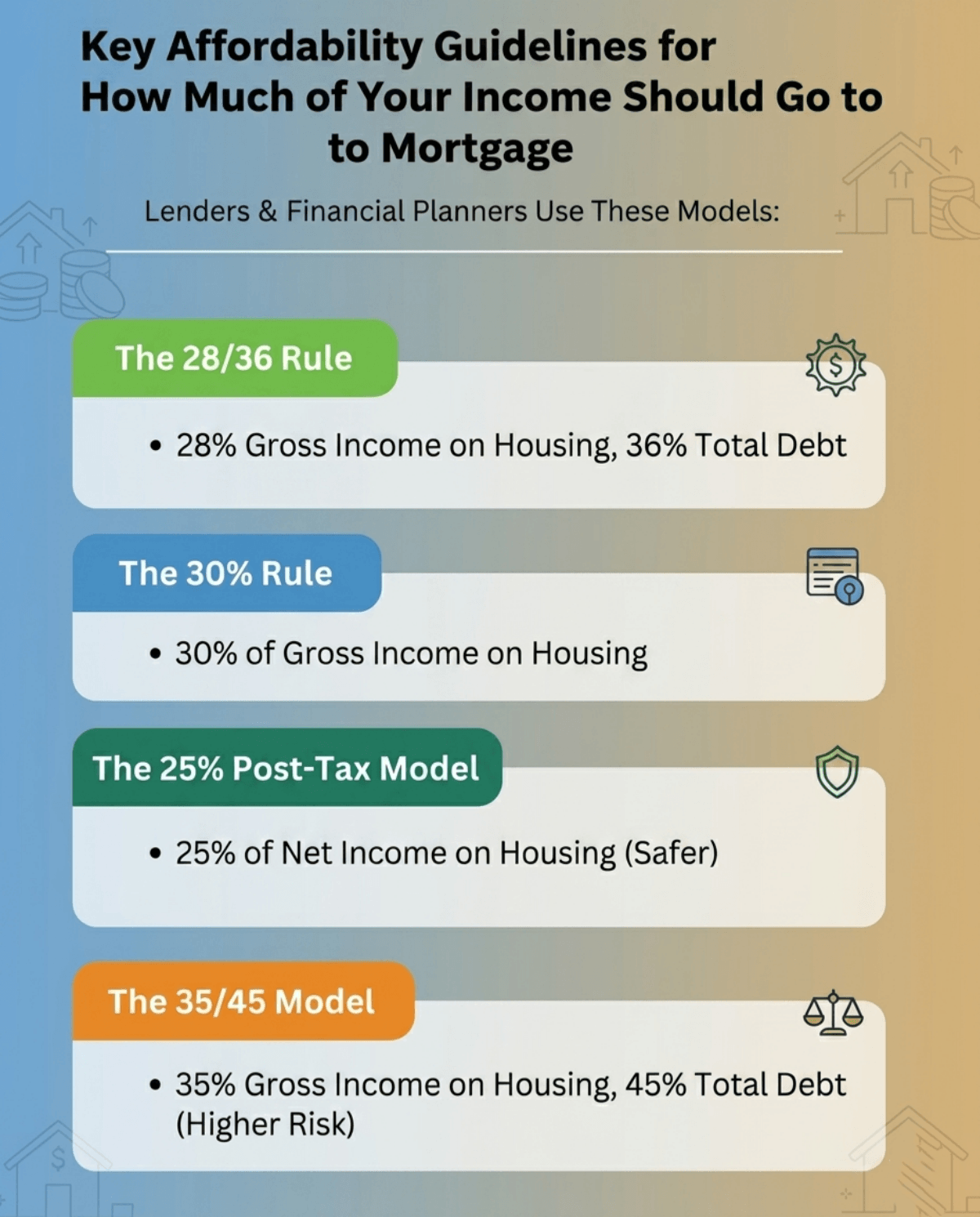
Key Affordability Guidelines for How Much of Your Income Should Go to Mortgage
When I bought my first home, I quickly learned that lenders and financial planners use specific models to determine affordability. Here are the four primary guidelines you should know:
The 28/36 Rule: This is the gold standard in banking. It suggests spending no more than 28% of your gross (pre-tax) income on housing costs, and capping your total debt, including car loans and credit cards, at 36%.
The 30% Rule: A classic rule of thumb stating your housing expenses shouldn't exceed 30% of your gross income. It's simple, but sometimes a bit too broad for modern markets.
The 25% Post-Tax Model: This is my personal favorite and highly recommended by conservative financial gurus. It dictates spending no more than 25% of your net (take-home) pay. It's much safer and leaves plenty of room to build wealth or invest.
The 35/45 Model: Often used by those with high incomes or unique debt structures. It allows up to 35% of pre-tax income for housing and 45% for overall debt. It's lenient, but carries more risk if your financial situation suddenly changes.
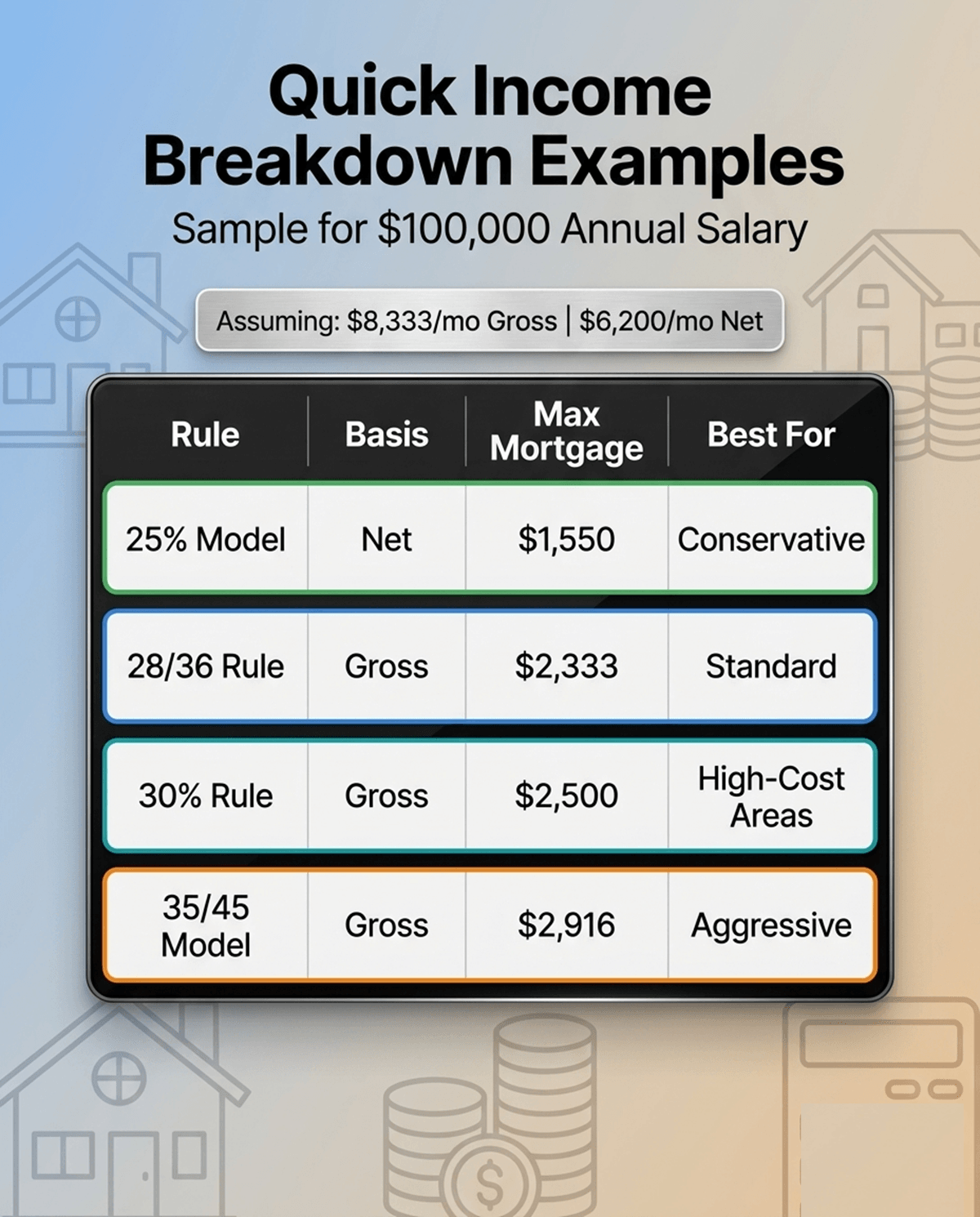
Quick Income Breakdown Examples
To make this crystal clear, let's assume a baseline scenario. Imagine a homebuyer with an annual salary of $100,000. That breaks down to roughly $8,333 in monthly gross income, or about $6,200 in monthly net take-home pay after taxes and basic deductions.
Here is how the maximum monthly mortgage payment shakes out depending on the financial framework you choose:
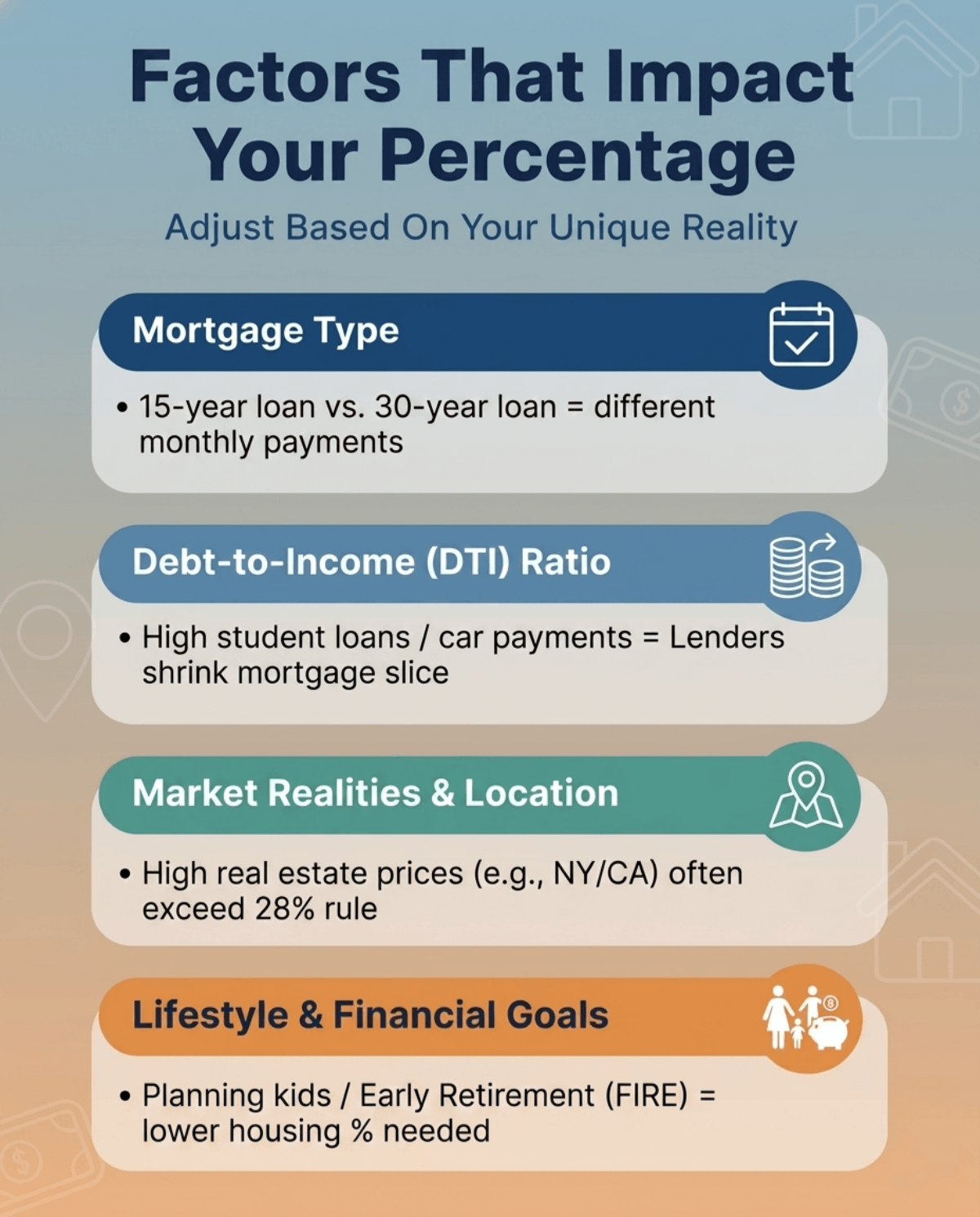
Sticking rigidly to these rules isn't always realistic. You need to adjust based on your unique reality:
Mortgage Type: A 15-year fixed loan will hike up your monthly payment compared to a 30-year fixed, drastically shifting your percentage.
Debt-to-Income (DTI) Ratio: If you're carrying massive student loans or hefty car payments, lenders will drastically shrink the slice of the pie available for your mortgage.
Market Realities & Location: If you live in New York or California, sky-high real estate prices often force buyers to break the 28% rule just to get a foot in the door.
Lifestyle & Financial Goals: Planning to have two kids soon, or dreaming of early retirement (FIRE)? You'll need to aim for a much lower housing percentage to fund those life goals safely.
One of the biggest rookie mistakes I see is assuming your mortgage payment is just the money you borrowed. Your "true" monthly obligation is actually composed of several layers, often summarized as PITI:
P (Principal): The actual chunk of the loan balance you are paying down.
I (Interest): The cost of borrowing the money from the bank.
T (Taxes): Local property taxes, which can increase annually due to inflation.
I (Insurance): Homeowners insurance to protect your property.
If the math is looking a bit tight, there are actionable ways I've found to shrink that monthly obligation:
Increase your down payment: Hitting that magical 20% mark eliminates PMI, saving you hundreds each month.
Buy down your rate: You can pay upfront fees, known as mortgage points, to permanently lower your interest rate.
Boost your credit score: The best rates are strictly reserved for borrowers with credit scores of 740 and above.
Extend the term length: Switching from a 15-year to a 30-year mortgage significantly drops your monthly payment, shielding you from cash flow emergencies (even though you pay more total interest).
Shop around: Don't just accept the first offer. Comparing quotes from three different lenders can save you thousands over the life of the loan.
FAQs About Income Going to Mortgage
Q1. Can I afford a 500k house with a $100k salary?
At current 2026 interest rates (hovering around 6.2%-6.3%), it's highly challenging. Assuming a 20% down payment on a $500,000 home, your monthly PITI would typically be around $3,000–$3,200. That consumes roughly 36% of your $100k gross salary, well past the recommended 28% limit.
Q2. Is it okay to spend 50% of income on a mortgage?
No, financial experts strongly advise against this. Spending half your income on housing makes you "house poor." It leaves you incredibly vulnerable to financial ruin if you face a sudden job loss, medical emergency, or simply need vital home repairs.
Q3. Is the 28/36 rule realistic?
It heavily depends on where you live. In low-cost-of-living areas, it's completely realistic. However, in major coastal cities like San Francisco or Seattle, many buyers find themselves forced to push their housing limit closer to 35% or 40% just to buy a starter home.
Q4. What is the 3 7 3 rule in mortgage?
Unlike affordability percentages, the 3-7-3 rule is actually a federal disclosure timeline protecting buyers. It requires lenders to provide a Loan Estimate within 3 days of applying, wait at least 7 business days before closing, and provide the final Closing Disclosure 3 days prior to signing.
Q5. Do these percentage rules apply to gross or net income?
Most traditional banking models, like the 28/36 rule, calculate using your gross (pre-tax) income. However, to be truly safe, conservative wealth-building experts suggest basing your math on your net (take-home) income. This ensures you aren't spending money you haven't even seen yet.
Conclusion
At the end of the day, there is no single magical percentage that works perfectly for everyone. While the 28/36 rule serves as an excellent starting point, your "sleep well at night" baseline is what truly matters. I always tell friends that being approved for a massive loan doesn't mean you have to—or should—spend it all.
Before you start touring houses, I highly recommend running your own numbers. Use a comprehensive online mortgage calculator to simulate your exact monthly PITI, factoring in your local property taxes. Even better, sit down with a reputable mortgage broker to look at your personal financial map. Make sure your dream home remains a blessing, rather than a monthly financial burden.
There are various income types, which make it hard to calculate employment income for a mortgage. Take a look at this guide and learn how.
Every day, homebuyers sit across my desk, confidently hand me their W-2s, and say, "I make $80,000 a year." As a mortgage loan officer with over a decade of experience, I always smile, knowing the underwriting math isn't that simple. When you apply for a home loan, "income" means much more than your base salary.
It includes fluctuating bonuses, restricted stock units (RSUs), and even seasonal pay—each calculated using completely different rules. If you want to know exactly how much house you can afford, you need to think like an underwriter. Let's break down exactly how we calculate your employment income to get you approved without any last-minute surprises.
Key Takeaways
Income Continuance is King: We need a high probability that your earnings will continue for at least three years from your note date.
Algorithms Vary by Type: Fixed base pay, variable commissions, and stock units all have distinct calculation methods.
Documentation Has an Expiration Date: Paystubs, VOEs, and credit documents must generally be dated within 120 days of your closing.
What is Employment Income in Mortgages?
In the mortgage world, your qualifying income dictates your Debt-to-Income (DTI) ratio, which is the heartbeat of your loan approval. Before we dive into the math, you must understand a few universal guidelines.
First, the Income Continuance rule: all qualifying pay must be stable and expected to continue for at least three years.
Second, documents age out. Paystubs must be dated within 30 days of the initial loan application date, and all credit documents no older than 120 days from application per Fannie Mae guidelines. W-2s are required for the most recent 1-2 years.
We also perform a Verbal Verification of Employment (VOE) no more than 10 calendar days prior to closing. Oh, and a quick reality check. Income paid in the form of virtual currency (crypto) cannot be used for qualifying the borrower.
Here is how we categorize and document your specific earnings:
Fixed Base Income: Requires your most recent 30-day paystub (showing YTD earnings) and two years of W-2s. No minimum history is required, but it must align with your year-to-date trend.
Variable Base Income: Needs at least a 12-month history. Warning: If your pay is decreasing, we can't use it unless it has fully stabilized.
Bonuses, Commissions, & Tips: Requires a 2-year history via W-2s and paystubs (tips need IRS Form 4137). We might allow 12-24 months if strong positive factors offset the shorter history.
Restricted Stock Units (RSUs): Must be fully vested and publicly traded. We need your vesting schedule and brokerage statements. Sign-on bonuses vesting over time do not qualify.
Employment Offers: A fully executed offer works if you start within 90 days after the note date. You'll need sufficient reserves and a verbal VOE.
Temporary Leave: Allowed if you intend to return. We need employer confirmation of the return date. Mandatory layoffs do not qualify as temporary leave.
Seasonal & Military: Seasonal work needs a 2-year history. Military active duty has no minimum history, but allowances cannot be scheduled to decrease.
Why Accurate Employment Income Calculation Matters?
You might assume your income is just your hourly rate multiplied by your standard hours, but the underwriting department rarely sees it that way. Calculating this figure accurately on your own is crucial for several reasons.
Determines Your True Purchasing Power: It directly impacts the maximum loan amount you qualify for.
Controls Your DTI Ratio: A slight miscalculation can push your DTI over the 43% or 50% threshold, risking an outright denial.
Prevents Underwriting Delays: If you overestimate your earnings upfront, you might get pre-approved for a home you can't actually finance. Finding this out weeks into escrow is a nightmare.
By estimating your numbers the way a loan officer does, you protect your earnest money and avoid falling in love with a property that's out of reach.
How to Calculate Employment Income?
Now for the fun part: the actual math. Depending on how you're paid, we use very specific formulas mandated by standard agency guidelines.
Variable Income (Bonuses, Overtime, Commissions): Trend is everything.
Stable/Increasing: We average your past 12 to 24 months.
Decreasing: If the underwriter confirms it has stabilized, we divide the current YTD income by the elapsed months of the year (which yields a much more conservative number).
Restricted Stock Units (RSUs):
Paid in Shares: (200-day moving average share price × vested shares over the past 24 months) ÷ 24.
Paid in Cash: Pre-tax cash from vested shares in the past 24 months ÷ 24.
Pro-Tip: Nontaxable Income Gross-Up: Here's an insider secret. If you receive verified nontaxable income (like child support or certain public assistance), lenders can "gross it up" by adding 25% to determine your adjusted gross income. For Social Security, the standard 15% nontaxable portion can typically be grossed up without extra paperwork, giving your buying power a massive boost.
Examples of Employment Income Calculation
Let's look at two real-life scenarios I see constantly in my office.
Example 1: The Bi-Weekly EarnerSarah makes $3,000 every gross paycheck. She gets paid bi-weekly. She incorrectly assumes her monthly income is $6,000 ($3,000 x 2). But as her loan officer, I use the "26 pay periods" rule. I calculate: ($3,000 × 26) ÷ 12 = $6,500 per month. That extra $500 monthly boosts her qualifying power significantly!
Example 2: The Decreasing OvertimeMark earned $15,000 in overtime last year. This year, his company cut hours. By July (month 7), his YTD overtime is only $3,500. He thinks we will average his previous great year. We won't. Because the trend is declining, the underwriter will only use the current, stabilized rate: $3,500 ÷ 7 months = $500 per month.
These nuances show why relying on a simple W-2 box can be dangerously misleading when house hunting.
How Employment Income Affects Your Mortgage?
Your verified numbers dictate virtually every aspect of your loan term sheet. Here is how your calculated earnings directly shape your mortgage experience:
Maximum Loan Amount: This is the ceiling on how much a bank is willing to lend you. Higher verified earnings mean you can bid on more expensive homes.
Program Eligibility: Different loan types (Conventional, FHA, VA, Jumbo) have strict, varying DTI ceilings. Some affordable housing programs even have upper income limits, where making too much actually disqualifies you.
Interest Rates: While your credit score drives your rate, a high, stable paycheck lowers your overall risk profile. A solid DTI ratio can occasionally unlock better pricing tiers or help you avoid costly loan-level pricing adjustments (LLPAs).
FAQs About Estimating Employment Income
Q1. Is salary calculated by 26 days or 30 days?
Lenders don't look at days. We look at pay frequency. If you are paid bi-weekly, we base the calculation on 26 pay periods in a year, not 26 days. If you are paid semi-monthly, we base it on 24 pay periods.
Q2. What is the 26-day rule?
It's actually the "26 Pay Periods Rule." Because there are 52 weeks in a year, a bi-weekly employee receives 26 paychecks annually. We multiply your gross paycheck by 26, then divide by 12 to find your true monthly income.
Q3. Can I use cryptocurrency earnings to qualify for a mortgage?
Absolutely not. Current underwriting guidelines consider virtual currency strictly ineligible as a qualifying income source. Even if you earn substantial income paid in crypto, lenders cannot use it to calculate your debt-to-income ratio due to extreme price volatility.
Q4. What if my overtime or bonus income is decreasing?
Underwriters view declining income as a major red flag. If it hasn't stabilized, that income is entirely ineligible. If it has stabilized, we will use your current Year-To-Date (YTD) earnings divided by elapsed months, yielding a lower, more conservative number.
Q5. Do I need a 2-year work history if I just graduated and got a job offer?
Not necessarily. Lenders offer exceptions for fully executed employment contracts. If you have an offer letter, your start date is within 90 days of the note date, and you possess sufficient cash reserves (usually 6 months of housing payments), you can often qualify without the history.
Final Word
As you can see, calculating employment income for a mortgage is as much an art as it is a science. While Fannie Mae and Freddie Mac provide the rulebooks, it ultimately comes down to an underwriter's risk assessment of your earnings' stability. Trying to guess your qualifying income using online calculators can leave you heartbroken if the math doesn't hold up in the underwriting department.
Before you start touring houses and making offers, reach out to an experienced, licensed loan officer. We have the tools to run your paystubs, apply the correct formulas, and even gross up eligible nontaxable earnings to maximize your buying power. Get pre-approved early, ensure your documents are perfectly in order, and step into the housing market with total confidence.
Learn how lenders calculate self-employed income for a mortgage. Discover required tax documents, the 25% rule, and how add-backs boost your loan amount.
As an experienced loan officer navigating the US housing market, I often see self-employed homebuyers feel overwhelmed by the lending process. If you run your own business, getting a home loan absolutely involves more scrutiny than a standard W-2 employee faces.
Why? Because lenders must ensure the long-term stability of your earnings. We aren't just looking at what you made last month. We need to verify your business has the ongoing ability to generate enough cash flow to cover a monthly mortgage payment safely. In this guide, I will break down exactly how underwriters calculate your qualifying income, the specific documents you need, and why understanding this process is your secret weapon.
Key Takeaways
Ownership threshold: Having a 25% or greater ownership interest in a business officially classifies you as self-employed in the mortgage world.
History matters: Lenders generally require a two-year earnings history, though certain exceptions allow for just one year.
Cash flow is king: We use cash flow analysis (often via Fannie Mae's Form 1084) to determine qualifying income, which includes "adding back" non-cash deductions like depreciation to boost your borrowing power.
Requirements and Required Documents for Self-Employed Income
To get started, we first need to define your exact employment status. In mortgage underwriting, an individual is considered self-employed if they hold a 25% or greater ownership interest in a company. Because we must establish a track record showing your earnings will likely continue, a standard two-year history of prior income is generally required. The exact paperwork you provide depends entirely on your ownership percentage:
For 25% ownership or more (Self-Employed): You must provide your personal IRS Form 1040s and Schedule C (for sole proprietorships) or applicable corporate returns.
For under 25% ownership: If you are a partner or part of an S Corporation or LLC, you may not be subject to the full-scale self-employment business analysis required for majority owners. However, because you hold an ownership stake, your income from the business, often reported on a Schedule K-1, is still subject to specific verification regarding your proportionate share of earnings and their accessibility.
How Does Self-Employed Income Affect Your Mortgage Loan?
You might wonder why underwriters dig so deep into your financials. When reviewing a self-employed file, we analyze several critical factors: the historical stability of your earnings, the location and nature of your company, the market demand for your products or services, and the overall financial strength of the business.
All of this directly impacts your Debt-to-Income (DTI) ratio. The final "qualifying income" we calculate dictates your maximum approved loan amount. If your tax write-offs are aggressively high, your paper income drops, which could potentially lower your purchasing power. Don't worry. This standard procedure isn't meant to penalize you. It's simply the bank's way to ensure you aren't taking on more debt than your actual business cash flow can comfortably handle.
How to Calculate Self-Employment Income in Mortgage?
This is where the magic happens. As a loan officer, I don't just look at the bottom line of your tax return. We use a cash flow analysis method, utilizing tools like Fannie Mae's Form 1084 or an internal income calculator.
For 25% or Greater Ownership (Self-Employment): We evaluate your gross income, business expenses, and taxable income. The best part? We apply Add-backs. We add back nonrecurring losses, depreciation, and depletion to your bottom line, as these are "paper losses" that don't affect your real cash flow. We will subtract out-of-pocket costs like travel and meals. We must also analyze business liquidity and viability.
Exception: We can actually waive business tax returns if you use personal funds to close, have been operating for 5+ years, and show increasing earnings. Otherwise, expect to provide 2 years of personal and business returns (or 1 year if in business 5+ years).
For Under 25% Ownership (Schedule K-1): We look at your proportionate share of earnings reported on the K-1. We must verify that this money was either distributed to you or that the company has adequate liquidity to support your withdrawal.
Exception: Normally, this requires 2 years of personal returns plus the K-1s. However, 1 year is allowed if only rental income is reported on your K-1.
Examples of Self-Employment Income Calculation
Let's look at two realistic scenarios to show how paper income differs from mortgage qualifying income.
Example 1 (Sole Proprietor, 100% ownership):Imagine your Schedule C shows a net taxable income of $50,000. However, you claimed $10,000 in equipment depreciation. Because depreciation is a non-cash expense, I get to use an "add-back." Your actual qualifying income for the mortgage is $50,000 + $10,000 = $60,000.
Example 2 (LLC Partner, 15% ownership):You hold a 15% stake in an LLC. Your Schedule K-1 shows your proportionate share of earnings is $30,000. As long as we can verify the business has adequate liquidity or that the $30,000 was actually distributed into your personal accounts, we can add that full amount to your qualifying income.
FAQs About Self-Employed Income Calculation
Q1. Can I get a mortgage with only 1 year of self-employment history?
Yes, it is possible. If you own 25% or more of the business, you usually need to prove the company has been operating for at least five years. For Schedule K-1 borrowers, a one-year history is permitted if the K-1 only reports rental income.
Q2. What are "add-backs" in a self-employed mortgage calculation?
Add-backs are a buyer's best friend. They are non-cash expenses, like depreciation or depletion, that reduce your taxable income on paper but don't negatively impact your actual cash on hand. Lenders add these figures back into your qualifying income, helping you secure a higher loan amount.
Q3. What is the difference between Schedule C and Schedule K-1 for mortgages?
Schedule C is used for sole proprietors or independent contractors who typically own 100% of their business (or at least 25%). A Schedule K-1 is used for borrowers who are partners in an S-Corp, LLC, or partnership, usually indicating an ownership stake of less than 25%.
Q4. What mortgage loans can the self-employed apply for?
You have access to all standard options, including Conventional, FHA, and VA loans. However, if your tax write-offs are too high, you can explore Non-QM products like Bank Statement Loans, which qualify you based on actual banking deposits rather than tax returns.
Q5. What is considered a 1099 self-employed borrower?
A 1099 borrower is an independent contractor, freelancer, or gig worker. Because taxes aren't automatically withheld from your paychecks by an employer, the mortgage industry views you as a self-employed sole proprietor. You will need to provide a Schedule C to calculate your qualifying income.
Conclusion
Being your own boss shouldn't stop you from achieving the American dream of homeownership. While the paperwork might seem daunting at first glance, understanding the 25% ownership threshold, gathering your two years of tax returns or K-1s, and knowing how add-backs work can completely change your perspective. As lenders, our goal isn't to reject your application. It is to accurately measure your true cash flow to set you up for long-term success.
Calculating self-employed income can be tricky, and every business structure is unique. Don't let tax write-offs discourage you from applying. Consult with an experienced loan officer today to find out your true qualifying income. You might be surprised by how much house you can actually afford!
Buying your first house in 2026? Discover 10 essential first-time home buyer tips to avoid costly mistakes, save on hidden fees, and secure your dream home.
Buying a house in 2026 feels like a wild rollercoaster. One minute you're browsing dream kitchens, and the next, your stomach drops looking at mortgage rates. Trust me, I know that mix of excitement and sheer panic. When I bought my first place, I was terrified of making a massive financial mistake.
That's why I put together these practical, no-nonsense tips. Forget the generic checklists. As someone who has been exactly where you are right now, I want to share the real-world advice you actually need to protect your wallet and keep your sanity intact.
Key Takeaways
Your monthly payment is just the baseline. Don't forget property taxes, maintenance, and insurance.
Never skip the home inspection. Even if the market is crazy, waiving this can bankrupt you.
Compare at least three lenders. Loyalty to your current bank usually means paying higher interest rates.
Check your "first-time" status. You might qualify for rookie perks even if you've owned property before.
Basic Requirements: What Qualifies You as a First-Time Home Buyer?
Before we jump into the tips, let's clear up a massive misconception. A lot of folks think "first-time buyer" strictly means you've never owned real estate in your entire life. That's actually not true. The U.S. Department of Housing and Urban Development (HUD) uses something called the "three-year rule."
Basically, if you haven't owned a primary residence in the past three years, the government considers you a first-timer again. This same rule applies to single parents or displaced homemakers who only owned a place with an ex-spouse. Why does this technicality matter? Because fitting this definition unlocks access to serious perks, think lower down payments, special grants, and tax breaks. Don't assume you don't qualify just because you had a house a decade ago.
10 First-Time Home Buyer Tips to Read Before You Start
Now, let's walk through 10 tips below one after one.
Tip 1: Take Advantage of Free Homebuyer Education Courses (Like Fannie Mae)
I get it. Homework sounds boring when you just want to go look at open houses. But spending a Saturday afternoon on a free course will literally save you thousands. Fannie Mae offers a fantastic, totally free program called HomeView.
It breaks down all the confusing mortgage jargon, explains the closing process, and teaches you how to spot red flags. You can knock it out in about three hours. Here is the best part: simply completing this course actually helps you qualify for specific mortgage assistance programs or even snag a lower interest rate. I wish someone had told me this earlier. Taking the time to educate yourself is the easiest way to stop feeling intimidated by real estate agents and loan officers.
Tip 2: Research State and Local First-Time Homebuyer Programs
Please, whatever you do, don't leave free money sitting on the table. Almost every state, and even specific counties, run programs heavily subsidizing first-time buyers. They want you to buy a house!
You can find Down Payment Assistance (DPA) grants, reduced interest rates, or even tax credits just for living in a specific zip code. Some places offer zero-interest loans that cover your entire down payment, and if you stay in the house for a few years, they forgive the debt completely. It's basically free cash.
Of course, there's a catch. These perks usually have strict income caps and purchase price limits, meaning you probably won't qualify if you're pulling in a massive salary or trying to buy a mansion. Do yourself a favor: spend an hour Googling your state's local Housing Finance Agency (HFA). Dig into their website and see what you qualify for. Finding the right grant could literally cover your closing costs.
Tip 3: Look Beyond the Mortgage: Budget for Hidden Costs
If you're only looking at the monthly principal and interest on a mortgage calculator, you're setting yourself up for a nasty surprise. Homeownership comes with a mountain of hidden fees that renters never see.
First off, if your down payment is under 20%, the bank will likely slap you with Private Mortgage Insurance (PMI)—a monthly fee that protects them, not you. Then add in property taxes, which can jump up wildly depending on the area, plus homeowners insurance and pesky HOA fees. Oh, and when the dishwasher floods the kitchen? That repair bill is 100% on you now.
I always tell friends to use the old 28/36 rule. Keep your total housing expenses under 28% of your gross monthly income, and make sure your total debt (including student loans and car payments) stays below 36%. Sticking to this ratio keeps you breathing comfortably instead of becoming completely "house poor" the second you move in.
Tip 4: Polish Your Credit Score Before Pre-Approval
Your credit score dictates almost everything in real estate. Even a tiny 0.5% bump in your interest rate can bleed tens of thousands of extra dollars out of your pocket over a 30-year loan.
So, long before you talk to a lender, you need to babysit your credit. Pull your free report to check for weird errors. Pay your bills early and try to get your credit utilization under 30%.
But here is the most important advice I can give you: once you decide to buy a house, put your financial life in a deep freeze. Do not finance a new car. Do not open a Home Depot credit card to buy a lawnmower. Do not close your oldest credit card account. Any sudden change messes up your debt-to-income ratio. I've personally seen friends lose their dream house a week before closing because they bought a new truck on finance and the lender pulled their loan. Keep it boring.
Tip 5: Strategize Your Down Payment and Closing Costs
Let's kill the biggest real estate myth right now: you do not need a 20% down payment. Sure, putting 20% down lets you dodge that annoying mortgage insurance, but it's unrealistic for most people today. Conventional loans actually allow first-timers to put down as little as 3%. An FHA loan lets you get in with just 3.5% down if your credit score is 580 or higher (or 10% down if it's 500-579).
But here is the part that catches rookies off guard—closing costs. You might scrape together your down payment, only to find out you need thousands more to actually finalize the deal. Closing costs cover things like the title search, appraisal fees, and local taxes. In 2026, expect these to run somewhere between 2% and 5% of your total loan. So, if you're eyeing a $350,000 place, you need an extra $7,000 to $17,500 sitting in the bank just to hand over the keys. Don't let this blindside you.
Tip 6: Interview Multiple Real Estate Agents to Find Your Advocate
Trying to buy a house without an agent is like representing yourself in court—just a really bad idea. You need a dedicated buyer's agent fighting in your corner. They aren't just tour guides who unlock doors. A great agent points out a sagging roof, knows what a fair price is, and handles the brutal negotiations.
Recently, the rules around who pays the buyer's agent commission have shifted, so you'll need to hash out how they get paid right off the bat. Because of this, you absolutely must shop around. Treat it like a job interview. Call up at least three different agents. Ask them how many first-timers they've worked with and see if they actually know your target neighborhoods. You want someone who has the guts to tell you, "This house is a money pit, let's leave," not a yes-man who just wants a quick paycheck. Take your time finding the right fit.
Tip 7: Shop Around and Compare Mortgage Lenders
A lot of people just walk into the local branch of their checking account bank and ask for a mortgage. Big mistake. Banks rarely offer you a "loyalty discount," and their first offer is almost never the best one. You have to pit them against each other.
Make it a goal to apply with at least three different lenders: try a big bank, a local credit union, and an online mortgage broker. When they hand you their official Loan Estimates, don't just look at the big, bold interest rate. Look closely at the APR (Annual Percentage Rate).
The APR tells you the actual cost of borrowing the money because it bakes in all those sneaky underwriting fees and origination charges. Sometimes a loan with a slightly lower rate has ridiculous hidden fees attached. Comparing these documents side-by-side gives you massive leverage to negotiate away junk fees and lock in the cheapest possible loan.
Tip 8: Never Skip the Home Inspection and Appraisal
Once your offer gets accepted, you face two big hurdles. An appraisal is when the bank sends someone to confirm the house is actually worth the $400,000 they are lending you. A home inspection, on the other hand, is entirely for your own safety.
You pay a pro to crawl under the house, poke the roof, and find out if the electrical wiring is a fire hazard. Sometimes, in a crazy hot market, real estate agents might hint that you should waive the inspection to make your offer look stronger. Do not do it. Ever. Waiving your inspection means you are buying the place totally "as-is." I've seen people do this and get hit with a $15,000 foundation repair bill the week they moved in.
I also suggest bringing your own checklist during the tour. Run the taps, look under sinks for water damage, and flush the toilets. Protect yourself first.
Tip 9: Assess the Long-Term Resale Value and Financial Impact
It's super easy to fall head over heels for a place just because it has a stunning kitchen island. But you have to think like an investor. Life happens fast. You might change jobs, have kids, or just outgrow the space, which means you could be slapping a "For Sale" sign in the yard five years from now.
To make sure you don't lose money later, obsess over the location. Check out the local school districts, even if you don't plan on having kids, buyers in the future will care. Look up crime maps and see what's being built nearby. A slightly outdated house in an amazing school district is a way better investment than a gorgeous flip in a declining neighborhood.
Also, try to buy the ugliest house on a great street, rather than the fanciest house on a bad one. Your home's value is dragged up, or down, by your neighbors.
Tip 10: Keep Your Emergency Fund Intact After Closing
Emptying your entire bank account just to cover the down payment and closing costs is incredibly dangerous. Being "house rich and cash poor" is a miserable way to live.
The second you get those keys, I promise you, money will start flying out the window. You'll need cash for movers, maybe a lawnmower, new locks, and a couple of paint cans. And that's before things start breaking. During my first month in my new place, the water heater completely died on a Sunday night. If I hadn't saved a financial cushion, I would have had to put a massive emergency plumbing bill on a credit card at 24% interest.
When you are doing your budget math, make sure that after you sign all the closing papers, you still have at least three to six months' worth of living expenses sitting untouched in a high-yield savings account. That cash is your ultimate peace of mind.
Step-by-Step: How to Buy a House for the First Time?
Figuring out the order of operations can cure half of your home-buying anxiety. Here's a clear, chronological breakdown of how the process actually works in the U.S.:
Check your financial health: Pull your credit score, tally up your debts, and figure out a monthly payment you won't lose sleep over.
Get a rock-solid pre-approval: Hand over your tax returns and pay stubs to a lender so they can officially tell you how much they'll let you borrow.
Hire an awesome real estate agent: Find someone who knows your local market inside and out.
Start house hunting: Hit the open houses, but stick to your budget.
Make an offer and negotiate: Found the one? Work with your agent to write a smart offer.
Do the inspection and appraisal: Make sure the house isn't falling apart and the bank agrees on the price.
Close the deal: Sign a huge stack of paperwork, wire the closing funds, and grab your keys!
FAQs for First-Time Homebuyers
Q1. What are the biggest first-time home buyer mistakes?
The absolute biggest mistake is draining your savings account down to zero, leaving nothing for sudden repairs. Another huge trap is looking only at the monthly mortgage payment while ignoring taxes, HOA fees, and upkeep. Finally, never ruin your loan approval by financing a new car or opening credit cards right before closing.
Q2. What is the first thing you should do when you buy a new house?
Before buying, your very first move should be getting a mortgage pre-approval so you know your actual budget. But physically? The very first thing you do the moment you get the keys is change all the exterior locks. You have no idea how many neighbors or contractors still have spare keys from the previous owners.
Q3. What is the best advice for buying a house?
Keep your emotions in check. It's incredibly easy to fall in love with a backyard and overlook a rotting roof, or get dragged into a nasty bidding war because you feel competitive. Treat this like a strict business deal. Stick to your budget, rely on your inspection report, and be willing to walk away.
Q4. How much of a down payment do I really need?
You definitely don't need 20%. While putting 20% down avoids Private Mortgage Insurance (PMI), conventional loans allow first-timers to buy with just 3% down. Government-backed FHA loans only require a 3.5% down payment. If you qualify for VA or USDA loans, you might even be able to put 0% down.
Q5. What is the minimum credit score for a first-time home buyer?
It really depends on the loan. For an FHA loan with a 3.5% down payment, you generally need a minimum score of 580 (or 500-579 with 10% down). Standard conventional loans usually require at least a 620. That said, aiming for a 700 or higher will unlock much better interest rates, saving you serious money over the long haul.
Conclusion
I'm not going to lie to you, buying a house is a stressful, exhausting process. There will be days when you want to throw your hands up and just rent forever. But pushing through that frustration is worth it. As long as you stick to your budget, don't skip the inspections, and lean on a solid real estate agent, you're going to be just fine.
The secret to a smooth transaction is getting your ducks in a row early. Don't wait until you find a house you love to check your credit. Take action right now. Pull your credit report today, figure out how much you can really afford, or go sign up for that free Fannie Mae course. Your future self will definitely thank you for the head start!
Want to know your true homebuying costs? Discover the exact formula to calculate mortgage interest and see how your down payment affects rates.
I vividly remember sitting at my kitchen table before buying my first place, totally stressed out. House hunting is a thrill, but staring at those monthly cost projections? Not so much. I kept wondering how much of my money was actually going toward the house versus straight to the bank.
The good news is that mapping out your interest costs doesn't have to ruin the excitement. Let me show you how to run the numbers yourself, plus a 5-second shortcut I wish I had back then.
Key Takeaways
Skip the math errors: Manual formulas work, but a quick automatic calculator saves you from expensive spreadsheet mistakes.
What moves the needle: Your credit score and down payment have the biggest impact on what you actually pay the lender.
Get the full picture fast: The Zeitro tool handles the messy details (like taxes and PMI) in under 5 seconds.
2026 Tax Rules: The $750,000 mortgage interest deduction cap applies to loans after Dec. 15, 2017 (up from $1 million previously), so keep that in mind for tax season.
What is Mortgage Interest?
Think of mortgage interest as the rental fee for using the bank's money. When a lender hands over hundreds of thousands of dollars so you can buy a house today, they take on a pretty massive risk. To make that gamble worth it, they charge a yearly percentage on whatever balance you still owe.
Honestly, it helps to just view this as the standard price of admission to homeownership. Nobody loves paying it, but it's part of the deal. Instead of letting it frustrate you, treat it as a manageable cost. One you can actively shrink with a bit of strategy, like bumping up your credit score or saving just a little more before closing.
Why Estimate Mortgage Interest?
Figuring out exactly what you owe the bank before signing on the dotted line is arguably your best defense against ending up "house poor." Here's why doing a little prep work goes a long way:
Locking down your budget: It separates your actual property value from the borrowing fees, giving you a crystal-clear look at your true monthly limits.
Seeing the down payment magic: Running the estimates proves exactly how tossing a few extra thousand dollars onto your upfront payment can slash your long-term costs.
At the end of the day, skipping this step is just too risky for your wallet.
How to Calculate Mortgage Interest?
So, how do we actually find that number? You essentially have two routes: grinding through the math on a spreadsheet, which practically begs for human error on a 30-year timeline, or using a dedicated calculator to do it instantly.
If you're someone who likes to see the mechanics behind the math, finding your first month's interest is pretty straightforward. Most standard home loans run on a monthly compounding schedule (though a few use daily compounding, meaning you'd divide by 365).
For the monthly version, here is your formula: Principal Balance x (Annual Interest Rate / 12).
To make it work, you need three numbers:
Principal: Exactly what you currently owe the bank.
Annual Interest Rate: Your yearly rate turned into a decimal (so, 6.5% is 0.065).
Time/Months: How long you have to pay it back.
Here is the catch, though. Because your principal drops slightly every single month, calculating a 30-year loan means doing this equation 360 times. One tiny spreadsheet typo ruins the whole projection.
Tool to Automatically Calculate Mortgage Interest
Honestly, I'd skip the spreadsheet and just use the Zeitro online mortgage calculator. It's set up for both everyday buyers and industry pros, giving you the real numbers in under five seconds without needing a math degree.
You just type in your details:
Home Price & Down Payment: (bigger upfront cash shrinks the loan).
Loan Term & Interest Rate:、 (usually 15 or 30 years).
PMI: (expect a 0.5% to 1.5% yearly fee if you put down less than 20%).
State Tax Rate: (for local property taxes).
The tool handles the dynamic amortization tracking and gives you a free, comprehensive cost breakdown instantly.
Quick heads-up: These figures are just helpful estimates for your reference. Always chat with a licensed loan officer to lock in your actual rates.
Examples of Mortgage Interest Calculation
Let's put this into perspective with two quick scenarios.
Scenario A: You find a $400,000 place and drop a 20% down payment ($80,000). That leaves you with a $320,000 loan. On a standard 30-year term at 6.5%, the interest portion of your very first payment sits right around $1,733.
Scenario B: Same $400,000 house, but you only put 10% down ($40,000). Now your bank loan is $360,000. Your first month's interest bumps up to $1,950. Worse, falling short of that 20% mark triggers PMI, making your total monthly check even heavier.
Writing out the comparison by hand takes ages, which is exactly why tossing these numbers into Zeitro is such a lifesaver when you're touring different properties.
Key Factors that Affect Your Mortgage Interest
Lenders don't just assign you a random rate. The number you get heavily depends on your personal financial history mixed with what the wider economy is doing:
Credit Score: Think of this as your financial reputation. A stellar score gets you access to the cheapest money.
Down Payment: The more cash you bring on day one, the less nervous the bank is. That lower risk usually equals a better rate.
Loan Term: Committing to a 15-year payback plan typically scores you a cheaper rate than a 30-year timeline, though your monthly bills will be much steeper.
The Economy: Things you can't control, like what the Federal Reserve is up to and 2026 housing trends, set the baseline for what lenders can offer you.
FAQs About Calculating Mortgage Interest
Does mortgage interest compound daily or monthly?
For most standard home loans, interest compounds monthly against whatever principal balance you still owe. A few specialized products, like HELOCs, might compound on a daily basis instead. It is always a good idea to read your specific loan paperwork to confirm the schedule.
Why is my first mortgage payment mostly interest?
Blame a process called amortization. During the first few years, your principal balance is huge, so the interest charged on it eats up most of your monthly check. As the years roll by, the balance shrinks, and more of your money starts paying off the actual house.
How can I lower my total mortgage interest over the loan lifetime?
The quickest wins are boosting your credit score before applying or scraping together a larger down payment. Once you already have the loan, throwing extra cash at the principal every month or refinancing into a shorter 15-year term will drastically cut down the bank's final cut.
Is mortgage interest tax-deductible in 2026?
Yes, if you itemize your taxes. Under current U.S. tax rules, the $750,000 deduction cap applies to qualifying home debt for loans originated after Dec. 15, 2017 ($375,000 if married filing separately).
What happens to mortgage interest if I make extra principal payments?
Every extra dollar you put toward the principal permanently lowers your outstanding debt. Because next month's interest is calculated on that new, smaller balance, the amount you owe the bank drops faster. It's the easiest way to shave years, and thousands of dollars, off your mortgage.
Final Word
Wrapping your head around mortgage interest is honestly the biggest cheat code for a stress-free home purchase. While knowing the basic math keeps you informed, nobody actually wants to manually calculate 30 years of shrinking principal balances.
That's why letting tools like the Zeitro Mortgage Calculator do the heavy lifting makes so much sense. It gives you the real, out-the-door monthly cost—taxes, HOA fees, and PMI included—in an instant. I definitely recommend grabbing your financial details and plugging them into Zeitro to see your actual numbers.
How much will your dream home really cost? Learn how to calculate monthly mortgage payments, understand PITI, and use our free calculator for instant results.
I've sat on both sides of the closing table, as a buyer sweating over my budget, and as a loan officer watching deals fall apart over unexpected fees. Figuring out your exact housing cost isn't just a good idea. It's survival.
Whether you're a borrower trying not to go broke or a loan pro managing client expectations, you need to nail these numbers early. Below, I'll walk you through the manual math and a tool that does the heavy lifting for you.
(Disclaimer: This guide is for educational purposes. Always chat with a licensed pro for actual rates.)
Key Takeaways
Your actual housing bill goes way beyond principal and interest—taxes and insurance matter just as much.
Crunching numbers by hand teaches you the basics, but it's incredibly easy to mess up the math.
Using a solid online calculator instantly gives you a realistic budget, baking in sneaky costs like HOA dues and mortgage insurance.
Why Do You Need to Calculate Mortgage Payments?
Jumping into the 2026 housing market without knowing your monthly limit is a recipe for disaster. Here's why you need to pin down these numbers before touring houses:
Avoiding the "House-Poor" Trap: You want a home, but you also want to eat. Budgeting ahead ensures your mortgage doesn't eat your entire paycheck.
Protecting Your DTI Ratio: Lenders obsess over your Debt-to-Income (DTI) ratio. If you run your own math early, you'll know if you actually qualify before applying.
Shopping for the Best Deal: A tiny drop in interest rates or a switch from a 15-year to a 30-year term changes everything. Running different scenarios helps you spot the best financial move.
Ways to Calculate Mortgage Payments
You generally have two options here. You can grab a calculator and a scratchpad to figure out the underlying math yourself, or you can use smart software to get an instant, error-free answer.
Use a Formula to Manually Estimate Mortgage Payments
If you really want to see how the math works, you can use the standard amortization formula:
M = P[ i(1 + i)^n ] /[ (1 + i)^n - 1 ]
Don't let the algebra scare you. Here is what those letters actually stand for:
M (Monthly Payment): The baseline amount you'll owe.
P (Principal): The actual loan size (your purchase price minus whatever cash you put down).
i (Monthly Interest Rate): Take your annual interest rate and divide it by 12.
n (Number of Months): Your loan term multiplied by 12 (a standard 30-year mortgage means 360 months).
I need to warn you, though. This formula only spits out your Principal and Interest (P&I). It completely ignores property taxes and home insurance, meaning your actual out-of-pocket cost will definitely be higher.
Use the Zeitro Mortgage Calculator to Do the Math
I still remember the headache of guessing my real budget on my first house. The fear of missing some hidden fee is exactly why tools like the Zeitro Mortgage Calculator exist. Built for both nervous first-time buyers and busy loan officers, it strips away the guesswork.
Why use it instead of a spreadsheet?
Free Instant Calculation: Get your numbers in under five seconds.
Comprehensive Cost Breakdown: It catches all those annoying extra fees.
Dynamic Amortization Tracking: Watch exactly how much interest you'll pay over the years.
You literally just type in your Home Price, Down Payment, Loan Term, and Interest Rate. To make it hyper-accurate, add your Monthly HOA Fees, local State Tax Rate, and PMI (that extra insurance fee if you put down less than 20%). No math degree needed—just plug it in and let Zeitro do the work.
Mortgage Payment Calculation Examples
Let's put this into perspective using a $400,000 home, pretty close to the typical U.S. home price level in 2026. We'll assume a 6.3% interest rate for both scenarios so you can see how much your down payment changes things.
Scenario A: The 20% Down Payment
Let's say you've managed to save up 20% ($80,000). That leaves you borrowing $320,000 on a 30-year fixed loan. Because you put down a solid chunk of cash, you don't have to pay PMI. Your base principal and interest (P&I) comes out to about $1,981. Throw in an estimated $300 a month for property taxes and $100 for insurance, and your actual monthly payment sits right around $2,381.
Scenario B: The 5% Down Payment
Now, let's say you only put down 5% ($20,000). Your loan jumps to $380,000. Right away, your base P&I increases to $2,352. But here's the kicker: because your down payment is small, the lender will force you to pay PMI. That's an extra $300 or so every month. If this house also happens to have a $150 HOA fee, plus those same taxes and insurance costs, your new monthly bill balloons to around $3,202.
That's the exact same house, but it costs you over $800 more a month simply because of how the loan is structured and the local fees involved.
Factors that Influence Your Mortgage Payment
Your monthly bill isn't just one single charge. Mortgage pros use the acronym PITI, Principal, Interest, Taxes, and Insurance, to describe the four main puzzle pieces. Here is what moves the needle on those costs:
Down Payment: More cash upfront means a smaller loan. Hit 20%, and you instantly drop that pesky PMI.
Loan Term: A 15-year mortgage comes with a massive monthly payment compared to a 30-year term, but it saves you an absolute fortune in long-term interest.
Interest Rate: Even a tiny half-percent bump in today's rates can add hundreds of dollars to your monthly bill.
Property Taxes & Insurance: Your loan's principal and interest might be fixed, but your local property taxes and home insurance premiums are likely to fluctuate over the years.
FAQs About Calculating Monthly Mortgage Payments
Q1. What is the formula to calculate monthly mortgage payment?
The standard formula is M = P [ i(1 + i)^n ] / [ (1 + i)^n - 1 ]. It's great for finding your base cost, but remember this only calculates principal and interest. It leaves out taxes and insurance completely.
Q2. How much is a $60,000 mortgage per month?
Assuming a 6.3% interest rate on a standard 30-year fixed loan, your base principal and interest would run roughly $371 a month. However, you still need to factor in local property taxes and insurance, which will push that total higher.
Q3. How much is a $200,000 mortgage payment for 30 years?
At a 6.3% rate, the principal and interest for a $200,000 loan over 30 years sits around $1,238. Add in average property taxes and homeowners' insurance, and your true monthly out-of-pocket cost will likely land closer to $1,500.
Q4. Does my mortgage payment include property taxes and insurance?
Almost always, yes. Most lenders set up an "escrow account." They collect a portion of your annual property taxes and home insurance premiums every single month, hold the money safely, and pay those bills for you when they're due.
Q5. How can I lower my monthly mortgage payment?
The fastest way is to put more money down, which shrinks your loan and kills PMI. You could also buy down your interest rate by paying discount points upfront, or simply stretch out the repayment term to 30 years.
Final Word
Nailing down your exact monthly payment is honestly the most important step in the homebuying process. You never want to sign the final paperwork on your dream home only to realize the monthly hit is going to keep you up at night.
Stop guessing and let the software do the heavy lifting. I highly recommend running your specific numbers through the Zeitro Mortgage Calculator to see where you actually stand today. It's completely free and provides the crystal-clear breakdown you need. Once you find a comfortable estimate, take those numbers straight to a licensed loan officer to secure your pre-approval.
Buying your first house? Find the best first-time home buyer programs and down payment assistance grants to save thousands on upfront closing costs today.
When I started looking for my first house, the sheer cost almost made me quit. Sky-high prices and massive upfront cash requirements can be terrifying. But before you even tour a property, knowing the best first-time home buyer programs is absolutely vital.
I almost missed out on thousands of dollars in free grants simply because I didn't know where to look. In this guide, I will break down reliable federal options and down payment assistance funds. These resources can seriously lower your upfront costs, secure better rates, or even provide direct cash help.
Key Takeaways
Government-backed options shine: FHA, VA, and USDA loans offer the lowest barriers to entry, especially if your credit isn't flawless.
Zero to low down payments are real: You don't need 20%. Many programs require only 0% to 3.5% down.
Free money exists: National and local grants can cover your closing costs without needing repayment.
Credit and DTI matter most: Your debt-to-income ratio and FICO score dictate which specific programs you actually qualify for.
Why Is It Important to Learn Programs First?
Jumping into house hunting without exploring financial aid is a huge mistake. I learned the hard way that sellers and real estate agents won't hand you this information. You have to do the legwork yourself. Researching first gives you major advantages:
Lower upfront costs: You can significantly reduce your initial cash outlay for closing fees and down payments.
Better interest rates & terms: Government-supported options often secure more favorable lending terms than standard conventional mortgages.
Broader qualification criteria: You might easily get approved even with limited income or a spotty credit history.
If you skip this step, you risk leaving thousands in "free money" on the table that could have made your dream affordable.
Top First-Time Home Buyer Programs
Federal and government-supported mortgages should be your first stop. They drastically reduce the friction of getting approved. Below, I'll compare the top choices by breaking down their target audience, minimum down payment ratios, and credit score requirements so you can find your match.
FHA Loans - Best for Low Credit Scores
When a friend struggled with a few dings on her credit report, the Federal Housing Administration (FHA) loan was her lifesaver. This government-backed mortgage is specifically designed to help buyers who might not qualify for traditional bank products. It's easily one of the most forgiving paths to homeownership.
Requirements include:
Minimum Credit Score: You need at least a 580 FICO score for maximum financing. Scores between 500 and 579 still qualify, but require more cash upfront.
Minimum Down Payment: Just 3.5% (for 580+ scores), or 10% for lower scores.
Income/Location Limits: None.
Mortgage Insurance: You must pay both an upfront Mortgage Insurance Premium (MIP) and annual premiums, regardless of your down payment size.
VA Loans - Best for Veterans and Active-Duty Military
If you have served in the military, stop looking elsewhere. The Department of Veterans Affairs backs the VA loan, which is arguably the most powerful mortgage product in the United States. I always tell veteran clients that this earned benefit completely removes the biggest hurdles of buying property.
Requirements include:
Minimum Credit Score: The VA sets no official minimum, though most private lenders look for at least a 580 to 620.
Minimum Down Payment: Absolutely 0% down is required.
Income/Location Limits: No strict income limits, but you must have a valid Certificate of Eligibility (COE) proving your military service.
Mortgage Insurance: No private mortgage insurance (PMI) is required, but you will pay a one-time VA funding fee upfront.
USDA Loans - Best for Rural Homebuyers
You don't have to buy a farm to get a USDA loan. Backed by the U.S. Department of Agriculture, this program actually covers many suburban neighborhoods located just outside major cities. It is meant to develop rural communities while making housing highly affordable for standard families.
Requirements include:
Minimum Credit Score: Most lenders require a minimum FICO score of 640 for automated approval.
Minimum Down Payment: 0% down payment required. You can finance the entire purchase price.
Income/Location Limits: Your household income must fall within the USDA income limits for your area, which are typically set at or below about 115% of the area median income, depending on your county and household size.
Mortgage Insurance: You pay an upfront guarantee fee and an annual fee, which are typically cheaper than standard FHA premiums.
Fannie Mae HomeReady - Best for Low-to-Moderate Income Borrowers
HomeReady is a conventional loan backed by Fannie Mae that competes directly with FHA. What I love about this option is its flexibility. You can actually use income from roommates or non-borrowing household members to help you qualify. It's brilliant for younger buyers or multigenerational households.
Requirements include:
Minimum Credit Score: A score of 620 is required.
Minimum Down Payment: Just 3% down. Moreover, the funds can entirely come from gifts or grants.
Income/Location Limits: Your income must be at or below 80% of your local Area Median Income (AMI).
Mortgage Insurance:PMI is required since you are putting down less than 20%, but unlike FHA, you can cancel it once you build enough equity.
Debt‑to‑Income: Your DTI is generally capped around 45%, though some lenders may allow slightly higher ratios under specific conditions.
Freddie Mac Home Possible - Best for Very Low- to Low-Income Borrowers
Similar to HomeReady, the Home Possible program is backed by Freddie Mac. This conventional mortgage is tailored to help buyers with limited funds finally break into the housing market. It's slightly stricter on credit but offers fantastic rate breaks and reduced insurance costs.
Requirements include:
Minimum Credit Score: Typically requires a 660 FICO score, making it slightly harder to get than HomeReady.
Minimum Down Payment: Only 3% down is required, and sweat equity (doing repairs yourself) can sometimes count toward this.
Income/Location Limits: Your income cannot exceed 80% of your local AMI.
Mortgage Insurance: PMI is mandatory but is offered at discounted rates. Like HomeReady, it can be canceled once your home equity reaches 20%.
Debt‑to‑Income: Your DTI is generally capped at around 45%, though some lenders may allow slightly higher ratios under specific conditions.
Good Neighbor Next Door Program - Best for Teachers, Law Enforcement, First Responders
If you work in public service, this HUD-sponsored initiative is practically a steal. The Good Neighbor Next Door program encourages community revitalization by offering eligible properties at a massive discount. I've seen officers and teachers buy beautiful homes for literally half their appraised market value.
Requirements include:
Minimum Credit Score: Usually follows standard FHA guidelines (580+), as you will likely use an FHA loan to finance it.
Minimum Down Payment: With an FHA loan, you only need a $100 down payment.
Income/Location Limits: You must buy a home in a HUD-designated "revitalization area."
Mortgage Insurance: Standard FHA MIP applies.
Special Condition: You must commit to living in the home as your sole residence for exactly three years.
Top Down Payment & Closing Cost Assistance
Down Payment Assistance (DPA) includes forgivable loans or direct grants that help cover your initial cash burden. I strongly advise layering these programs with your primary mortgage. Here is a breakdown of the best national funds and bank-specific grants available right now.
State and Local Housing Finance Agency (HFA) Programs - Best for Localized Grants
Before looking at national banks, I always tell buyers to check their local Housing Finance Agency (HFA). State and city governments want you to settle down in their area, so they frequently distribute localized grants that are incredibly generous and easier to win than federal money.
Requirements include:
Assistance Amount: Varies wildly by city. Some offer a flat $10,000, while others provide 3% to 5% of your purchase price.
Repayment Terms: Many are true grants that never need repayment. Others are "silent seconds" that are forgiven after staying in the house for 5 to 10 years.
Eligibility: Typically restricted to true first-time buyers within specific county limits. You usually have to complete a local homebuyer education class to qualify.
National Homebuyers Fund (NHF) - Best for Flexible Down Payment Assistance
The National Homebuyers Fund is a fantastic nationwide option that bridges the gap when local city grants run dry. It operates across most states and pairs seamlessly with standard FHA, VA, USDA, or conventional mortgages. I love this fund because its income caps are surprisingly forgiving.
Requirements include:
Assistance Amount: You can receive up to 5% of your total mortgage loan amount to use toward your down payment or closing costs.
Repayment Terms: The assistance comes as either a direct grant or a three-year forgivable loan (meaning if you stay three years, it is wiped out completely).
Eligibility: You do not have to be a strict first-time buyer, but you must meet NHF's income limits and credit requirements, which typically require a minimum FICO score of 640 and a debt‑to‑income ratio around or below 45%.
Chenoa Fund - Best for FHA Borrowers Needing DPA
If you are leaning toward an FHA loan but cannot scrape together that 3.5% minimum cash requirement, the Chenoa Fund is your answer. Administered by a federally chartered government agency, this program specializes in secondary financing specifically for FHA borrowers who need a push.
Requirements include:
Assistance Amount: Typically provides 3.5% or 5% of the purchase price, perfectly covering your FHA minimum requirement.
Repayment Terms: Depending on your income, the assistance is either a fully forgivable loan after 36 months of on-time mortgage payments, or a repayable secondary loan with a 10-year term.
Eligibility: You need a minimum credit score of 600, using the middle of three FICO scores (or the lower of two if only two scores are available). Your debt‑to‑income (DTI) ratio is also heavily scrutinized, usually capped around 45% to 50%.
Bank of America Down Payment Grants - Best for BoA Customers in Eligible Areas
Large private banks have stepped up their community investments, and Bank of America currently runs one of the most aggressive grant programs. If you are buying in their targeted geographic markets, this is literally free money that instantly boosts your purchasing power.
Requirements include:
Assistance Amount: The Down Payment Grant offers up to $10,000 or 3% of the home's purchase price (whichever is less). They also have an America's Home Grant offering up to $7,500 for closing costs.
Repayment Terms: This is a true grant. It does not need to be repaid, though it might be considered taxable income.
Eligibility: You must be a first‑time homebuyer (no homeownership of a principal residence within the past three years), finance your primary mortgage directly through Bank of America, meet local income caps, and buy in specific eligible census tracts.
Chase Homebuyer Grant - Best for Chase Customers in Select Markets
Similar to BoA, Chase Bank offers its own localized incentive program. I've seen clients use this specific grant to aggressively buy down their interest rate, which saved them hundreds on their monthly payment. It is a highly practical option if you already bank with Chase.
Requirements include:
Assistance Amount: Provides up to 3% of the home's purchase price or a fixed maximum amount (often between $2,500 and $5,000), whichever is lower, depending on the property's location and the specific Chase program.
Repayment Terms: This is a grant that does not need to be repaid, but it may be considered taxable income by the IRS. You should consult a tax professional to understand how it affects your tax return.
Eligibility: You must meet Chase's specific debt-to-income and credit guidelines. You also have to use a qualifying Chase mortgage product (like their DreaMaker loan, or a standard FHA/VA loan) and purchase a primary residence in an approved census tract. Homebuyer education may also be required.
Tips for Choosing the Best First-Time Homebuyer Loan
Choosing the right financial product is intimidating, but organizing your approach makes it manageable. From my experience in real estate, buyers who prepare early always get the best deals. Keep these actionable tips in mind before signing anything:
Calculate overall affordability: Don't just obsess over the down payment. Look at your total monthly budget, factoring in hidden costs like property taxes, homeowner's insurance, and emergency maintenance.
Check and improve your credit score: Pull your credit report at least six months prior. Dispute any errors and pay down high credit card balances to boost your FICO score.
Shop around and compare lenders: Never accept the very first offer. Compare Loan Estimates from at least three different institutions to find the lowest APR and closing costs.
Consult loan officers or housing counselors: Reach out to a HUD-approved housing counselor for free, unbiased advice on local assistance programs.
FAQs About Best First-Time Home Buyer Programs
Q1. What qualifies you as a first-time home buyer?
Surprisingly, you don't have to be a literal first-timer. Under most federal and state guidelines, you qualify as long as you haven't owned a principal residence within the past three years. If you previously owned but sold it three years ago, you are eligible again.
Q2. Can I buy a house with zero down payment?
Yes, absolutely. Both VA loans (for eligible military personnel) and USDA loans (for buyers in qualifying rural or suburban areas) allow you to finance 100% of the purchase price. Some local credit unions also offer zero-down conventional products, though they are much rarer.
Q3. Do first-time home buyers get better interest rates?
Not exactly directly, but practically yes. Government-backed programs like FHA or HomeReady let you access highly competitive interest rates even if your credit profile isn't perfect. Conventional loans would charge you a massive premium for the same lower credit score.
Q4. Are down payment assistance grants taxable?
Sometimes, yes. While you never have to pay the actual grant money back to the lender, the IRS might consider certain down payment grants as gross income. I highly recommend consulting a certified tax professional to understand exactly how a grant impacts your tax return.
Q5. Can I apply for multiple first-time home buyer programs?
Yes, this is called "stacking." You can easily combine a primary government loan (like an FHA mortgage) with a local HFA grant and a seller concession. Layering these resources is the smartest way to completely wipe out your out-of-pocket closing expenses.
Final Word
Buying your first property is a monumental financial milestone, but it doesn't have to drain your entire life savings. As we've explored, the right programs can bridge the gap between renting and owning, even if you lack a 20% down payment or perfect credit. Just remember, there is no single "best" program out there—only the one that perfectly aligns with your personal financial reality.
Now is the time to take action. Start by checking your current credit score, organizing your income documents, and reaching out to a local mortgage broker for a pre-approval. Don't leave free money on the table. Go claim the assistance you deserve and unlock the door to your new home!



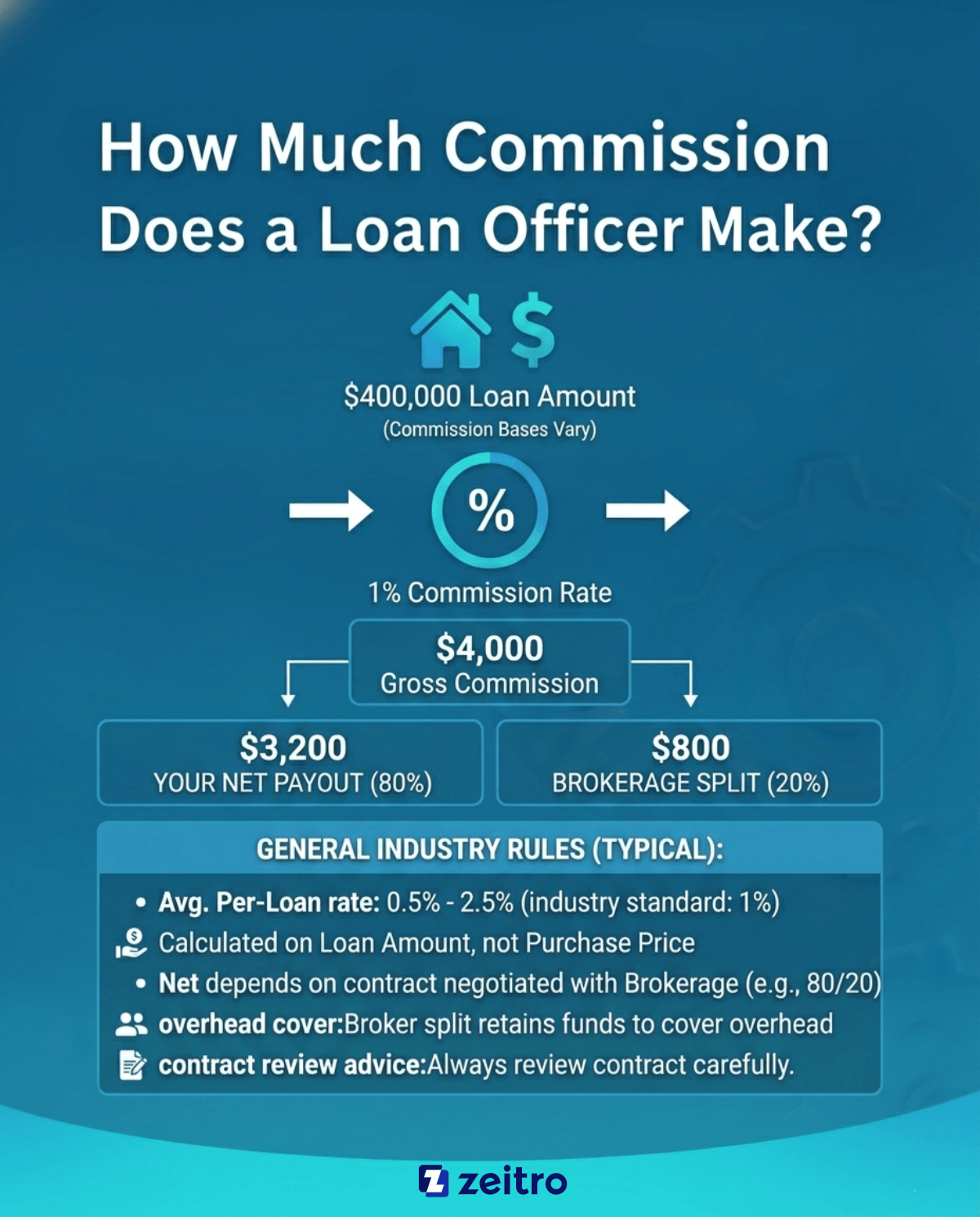
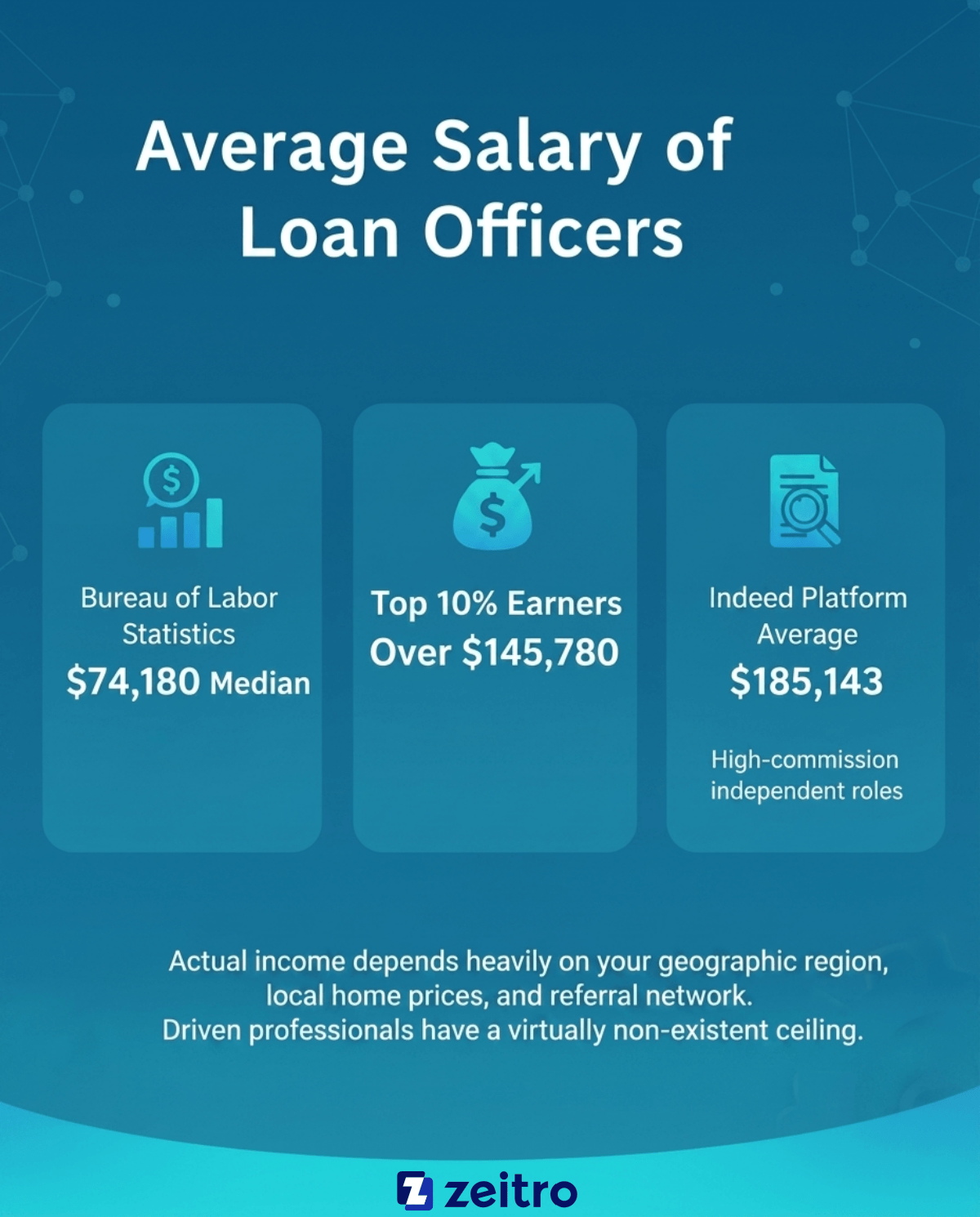

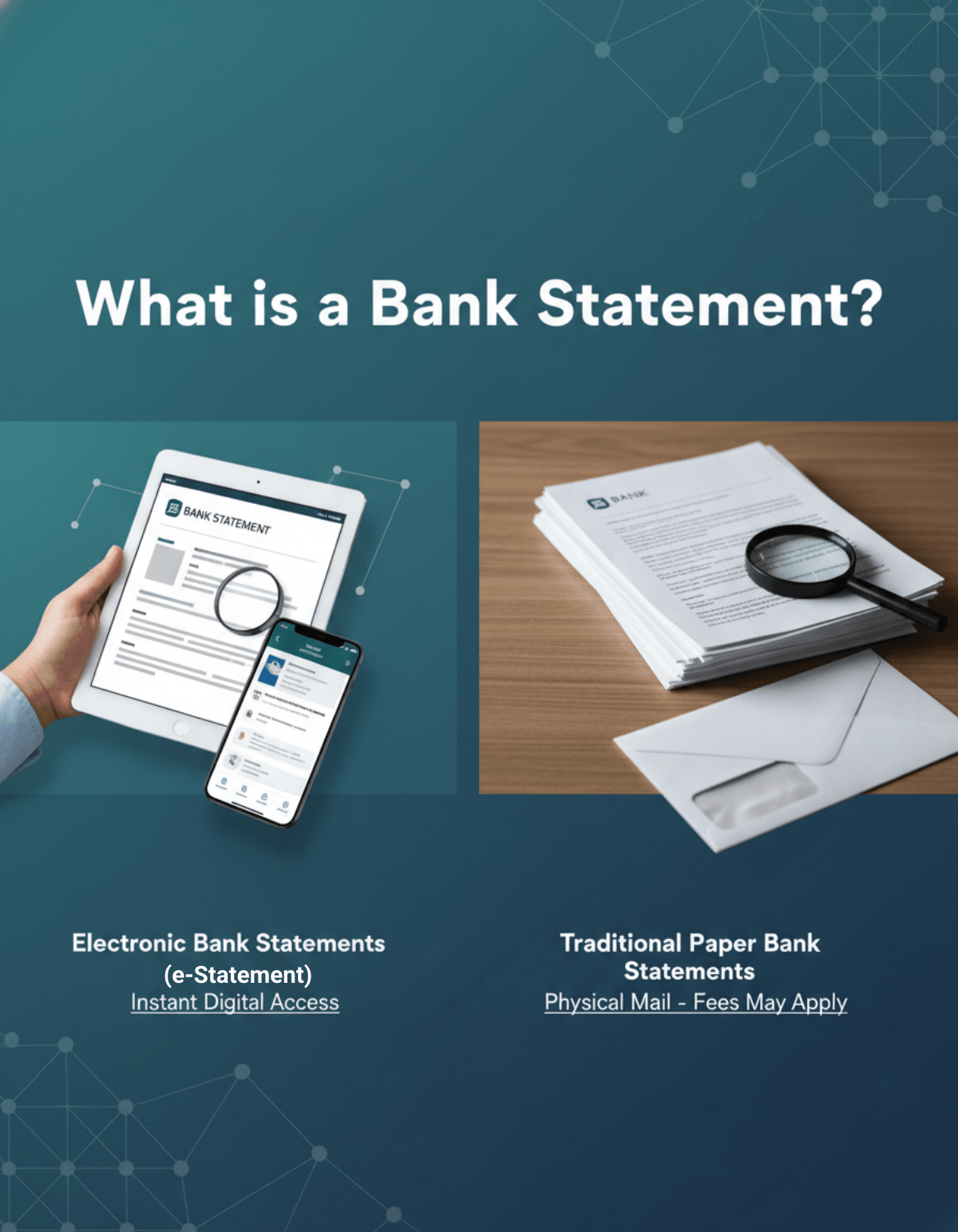
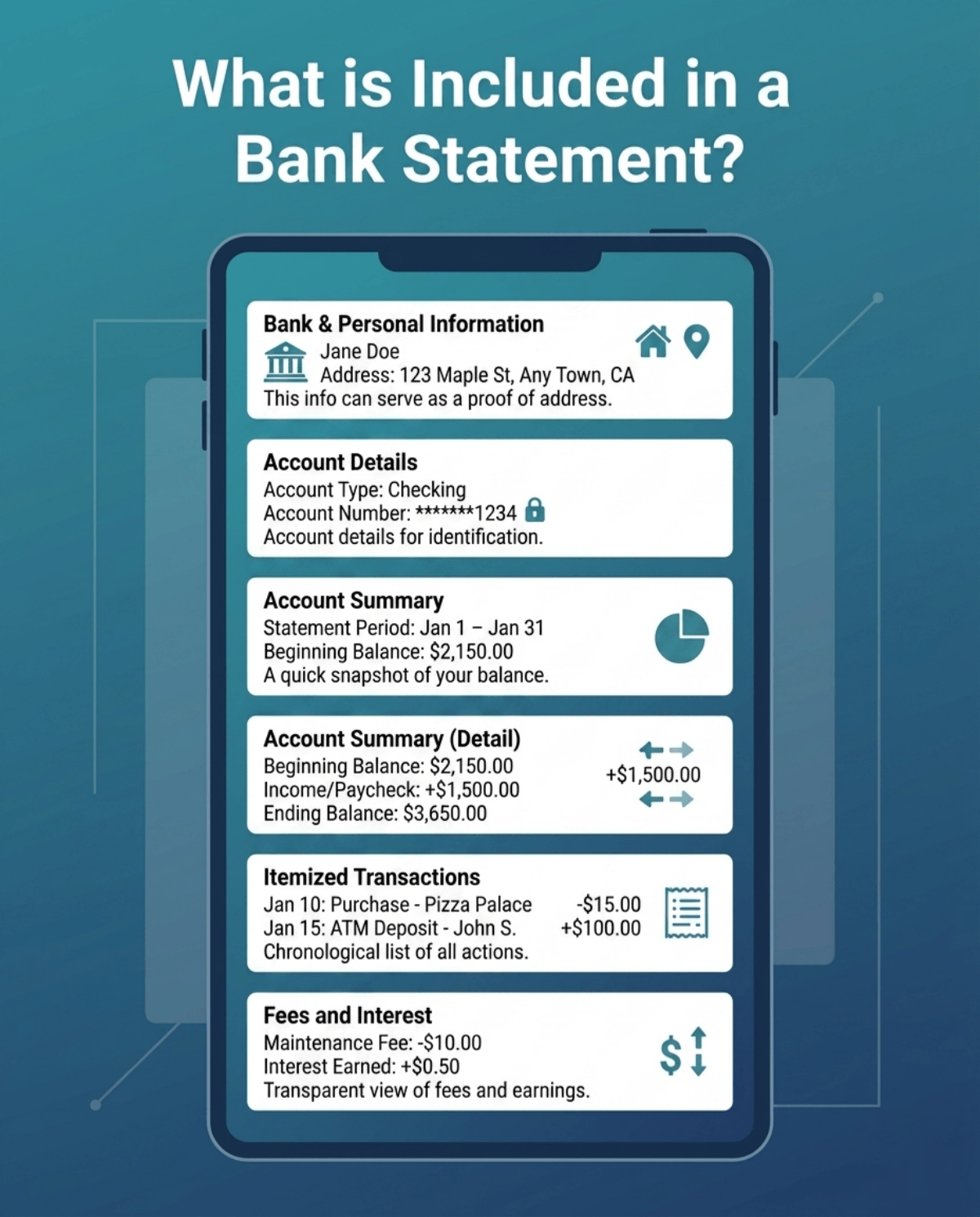

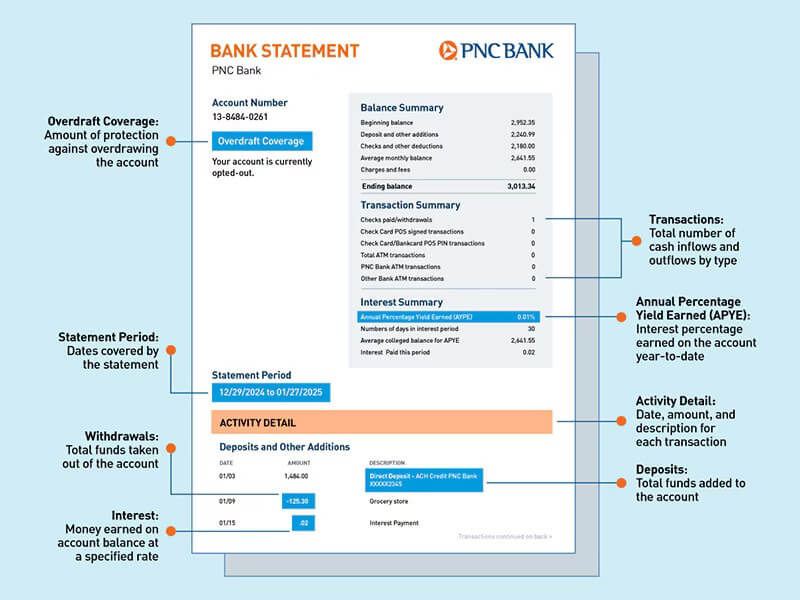
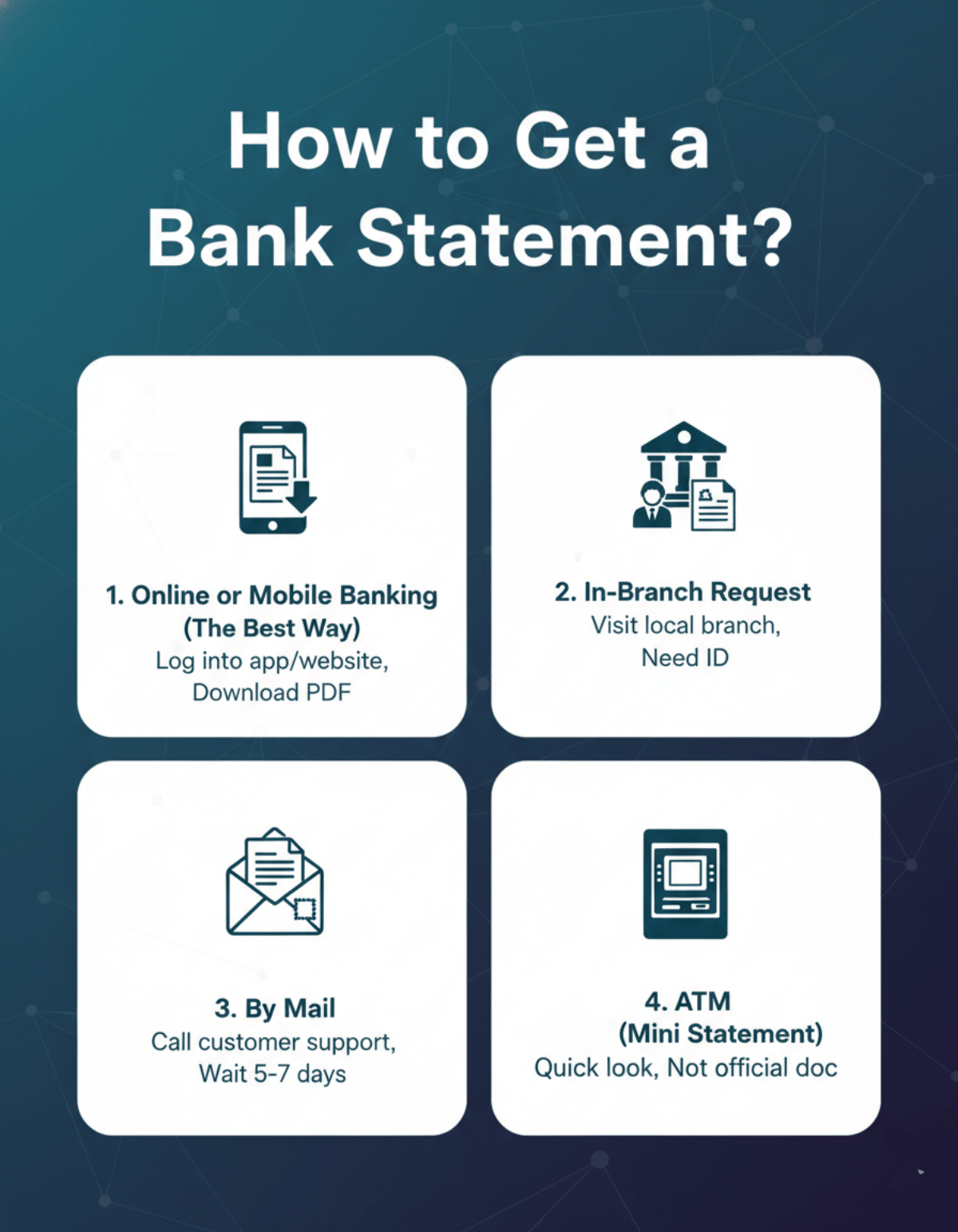


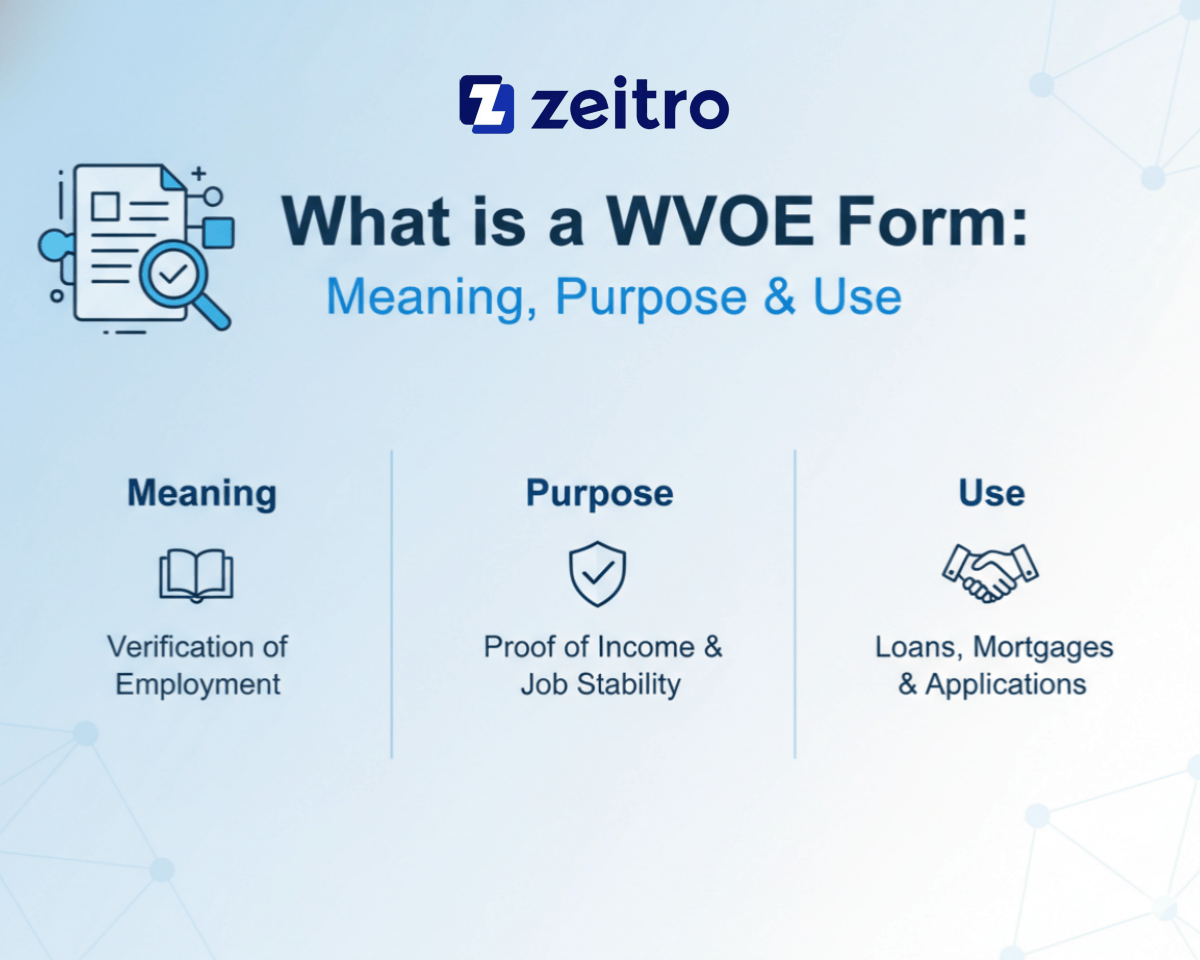
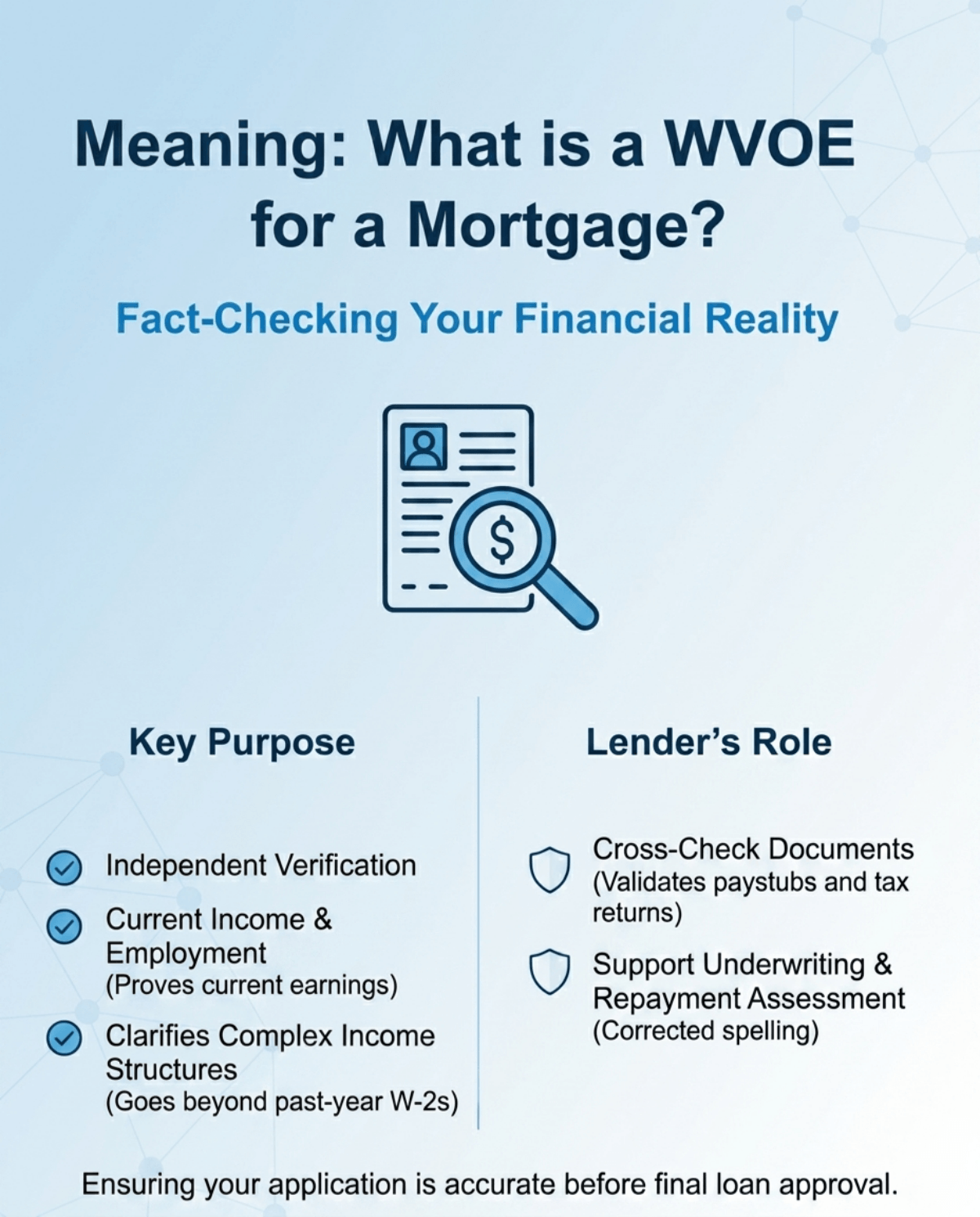
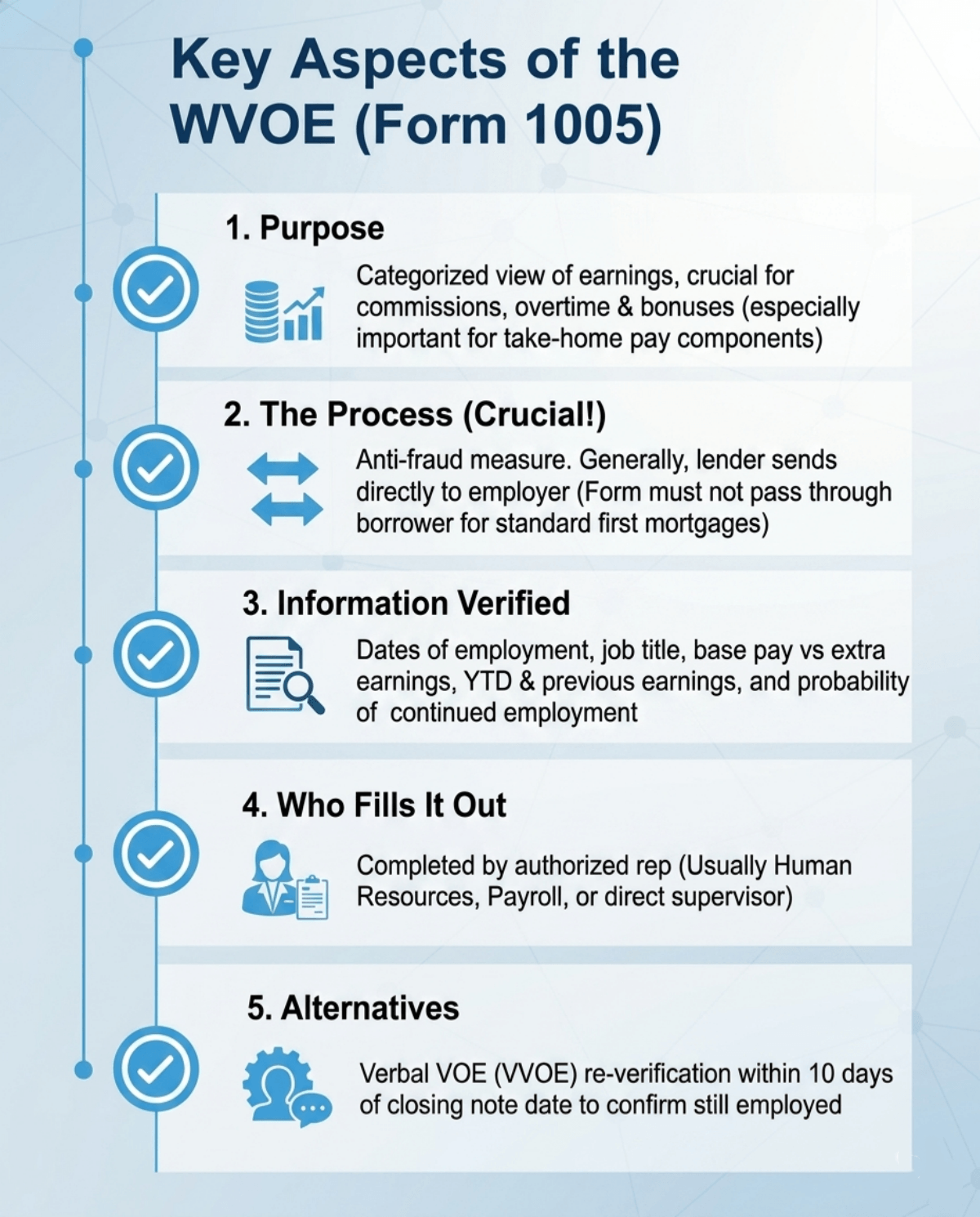

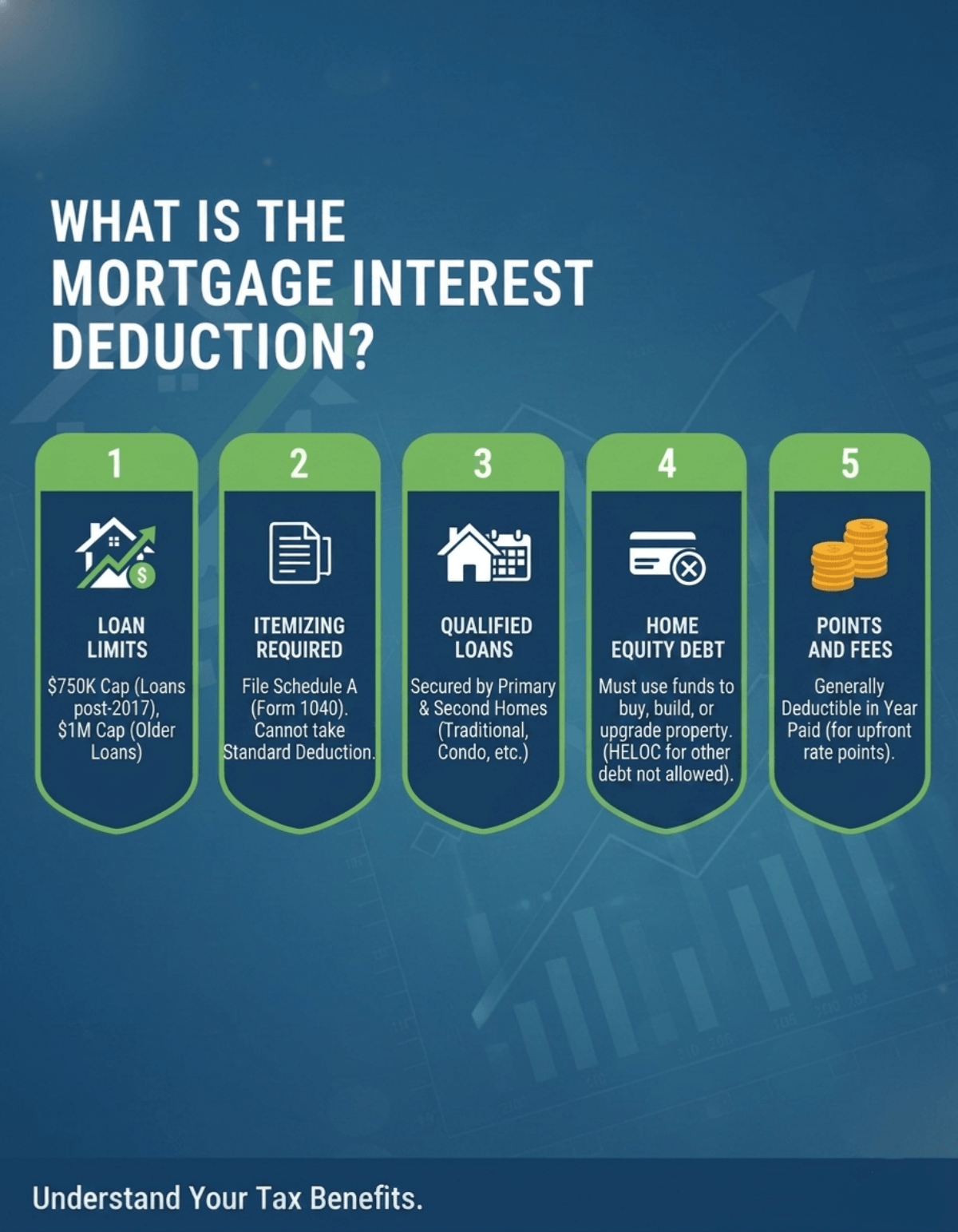
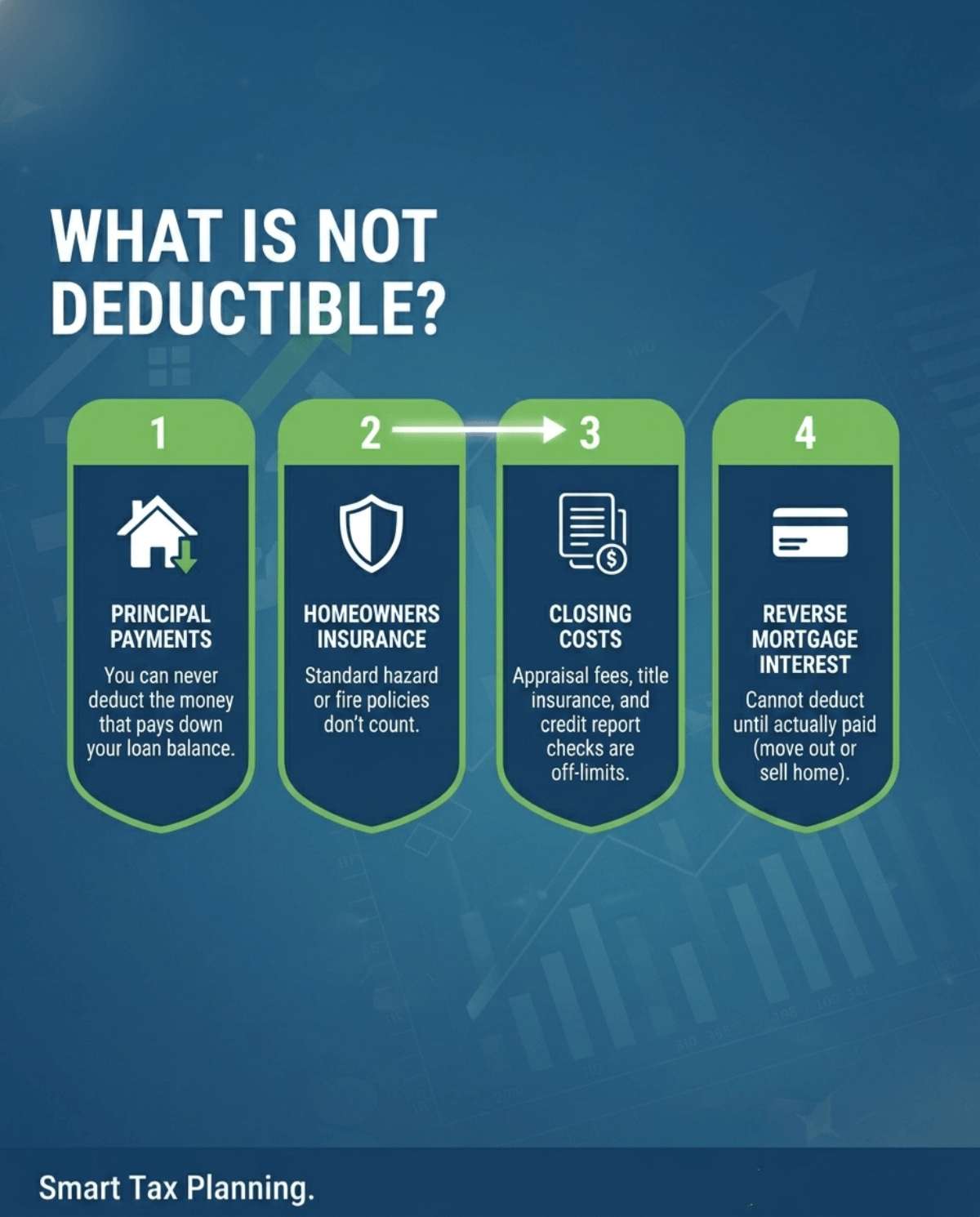


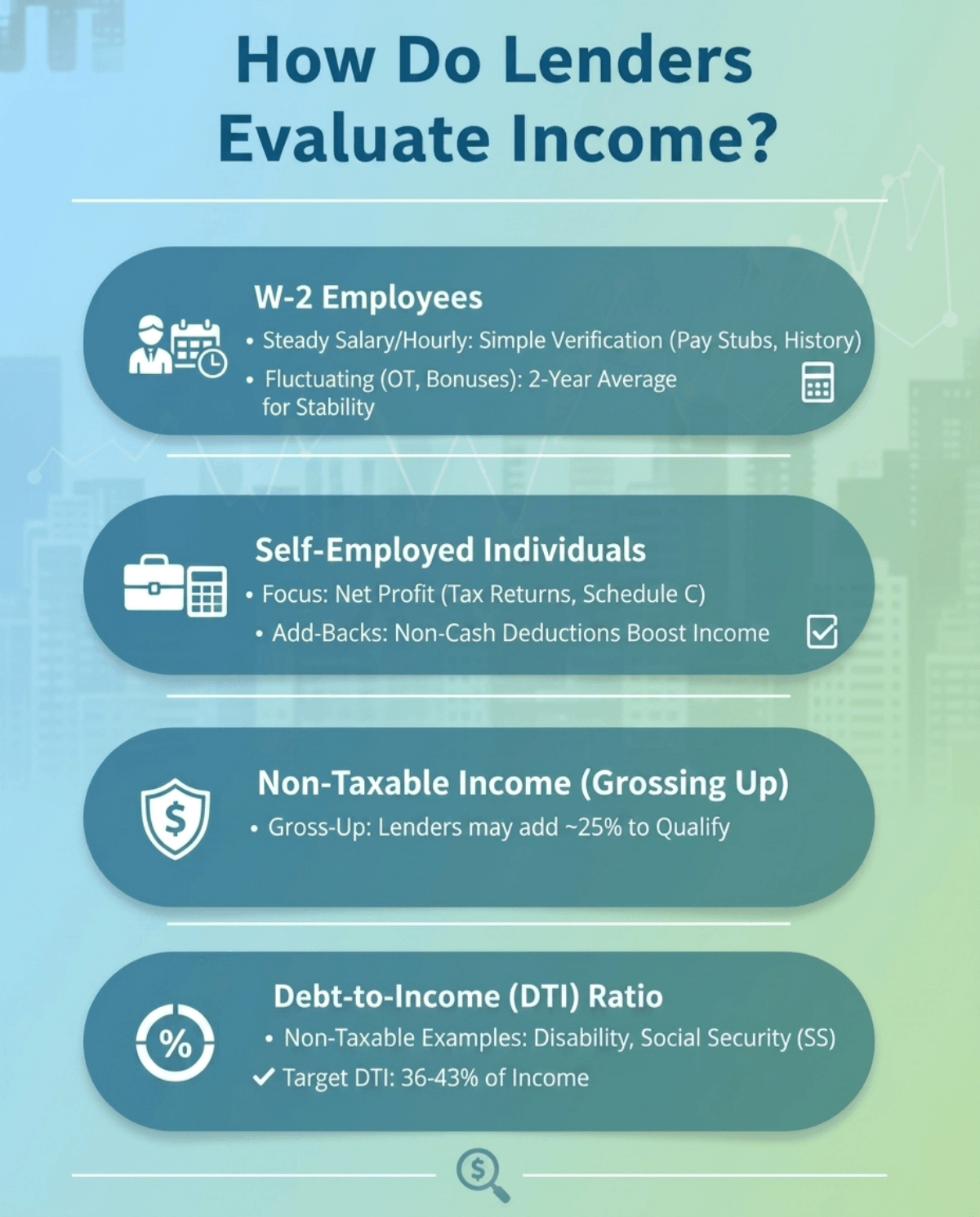



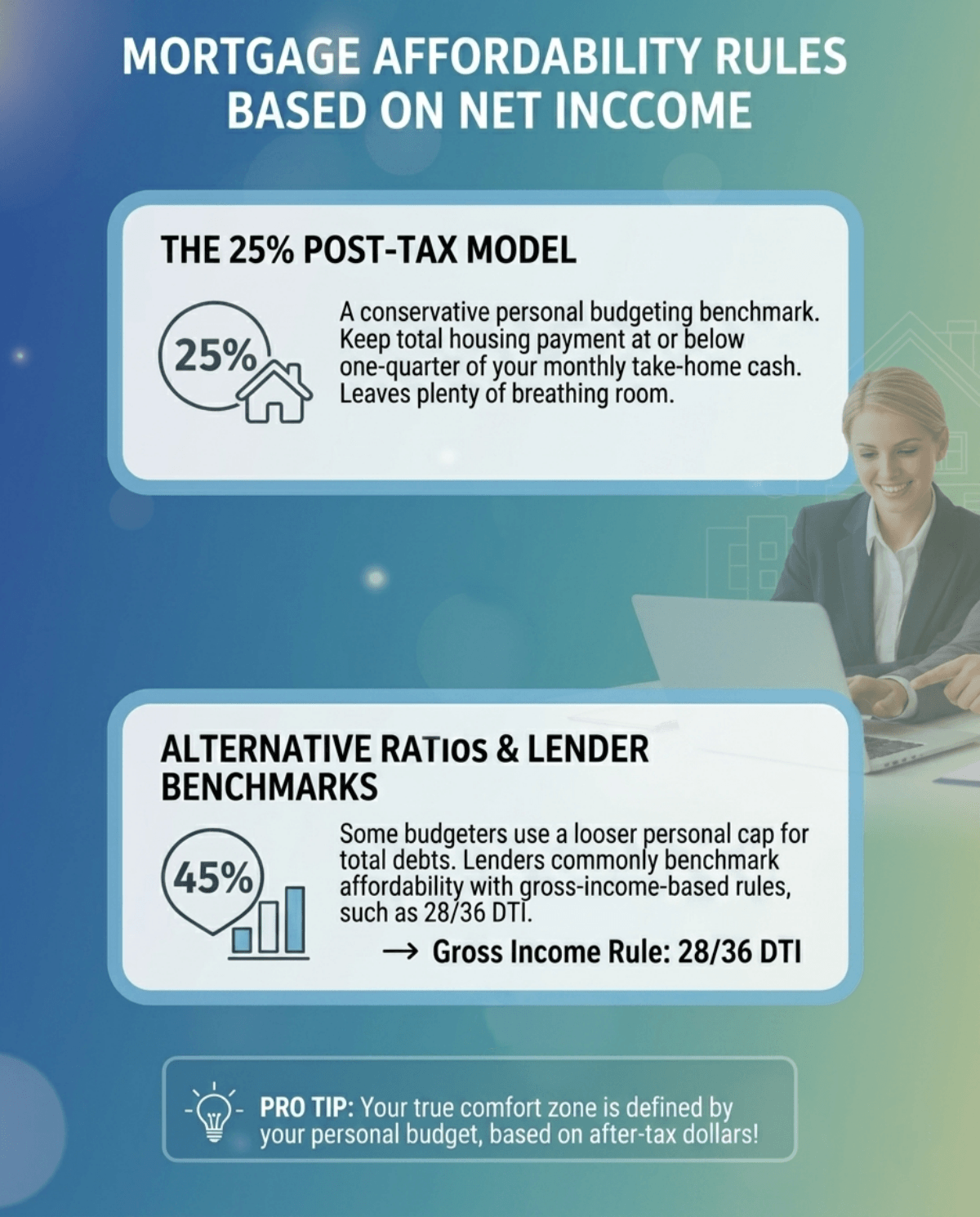
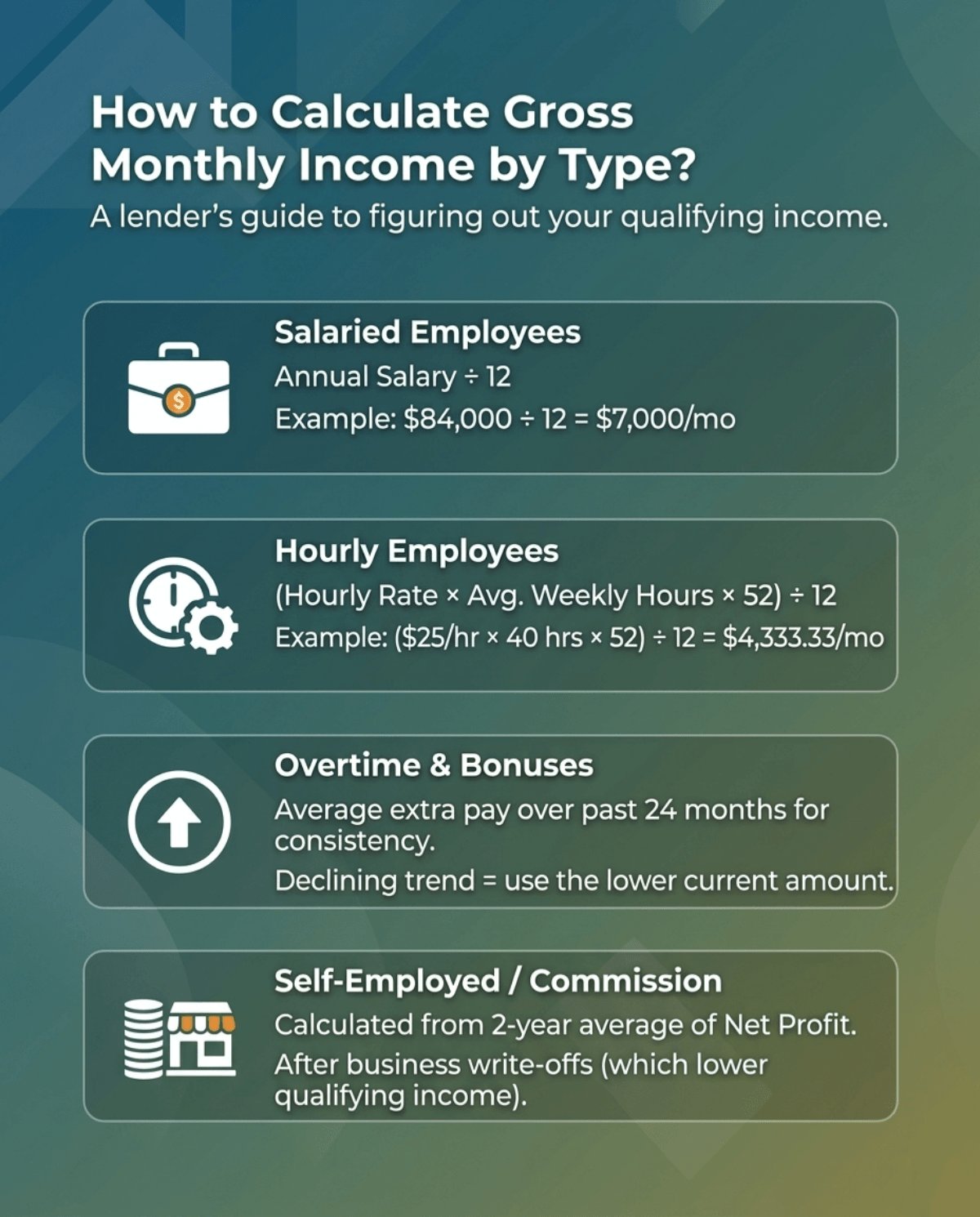
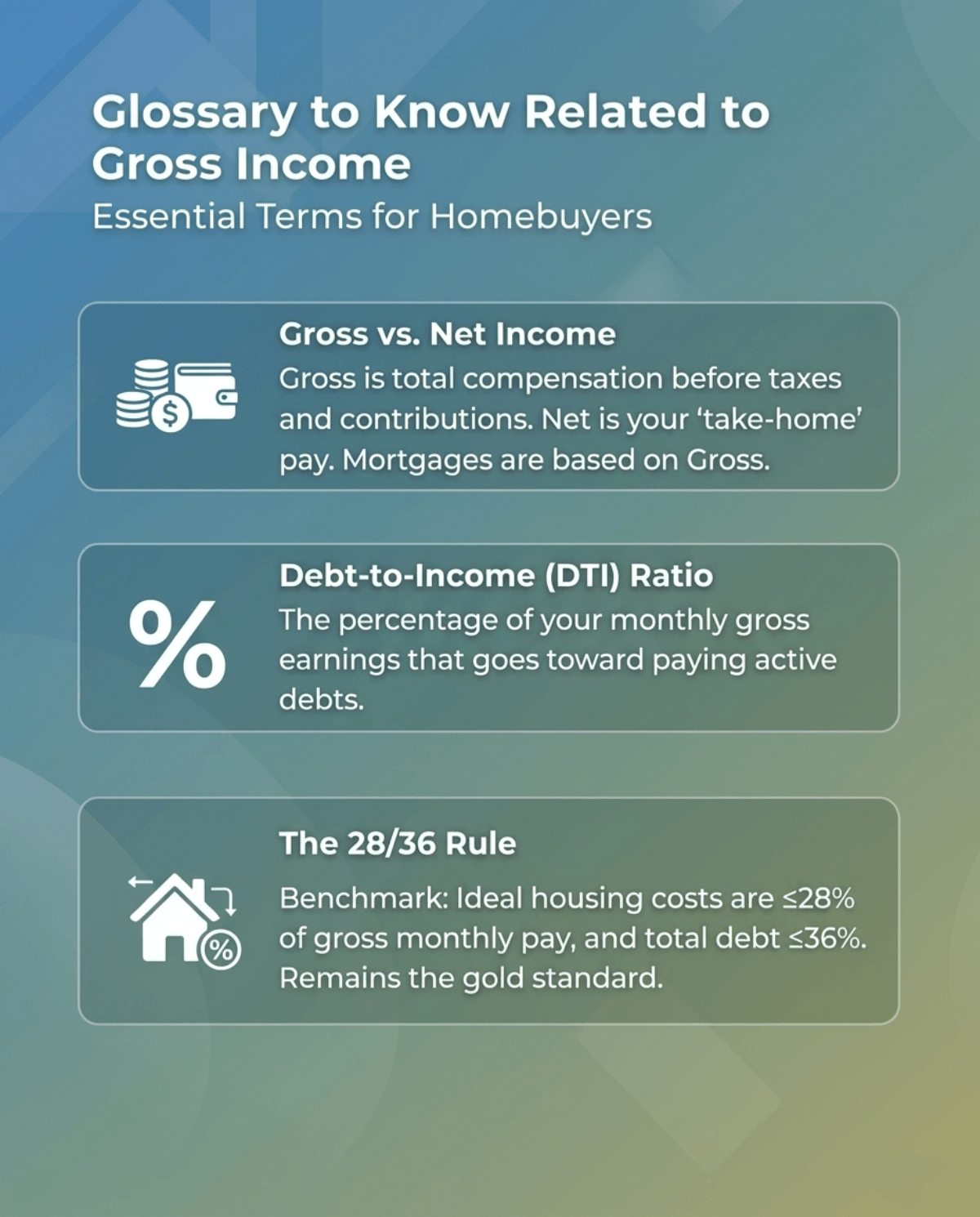
![[Solved] At What Income Level Do You Lose Mortgage Interest Deduction?](https://cdn.prod.website-files.com/6731bc6e813a541b54c30b10/69fc07a57884d2f1eb3382cb_income-level-lose-mortgage-interest-deduction-banner.png)


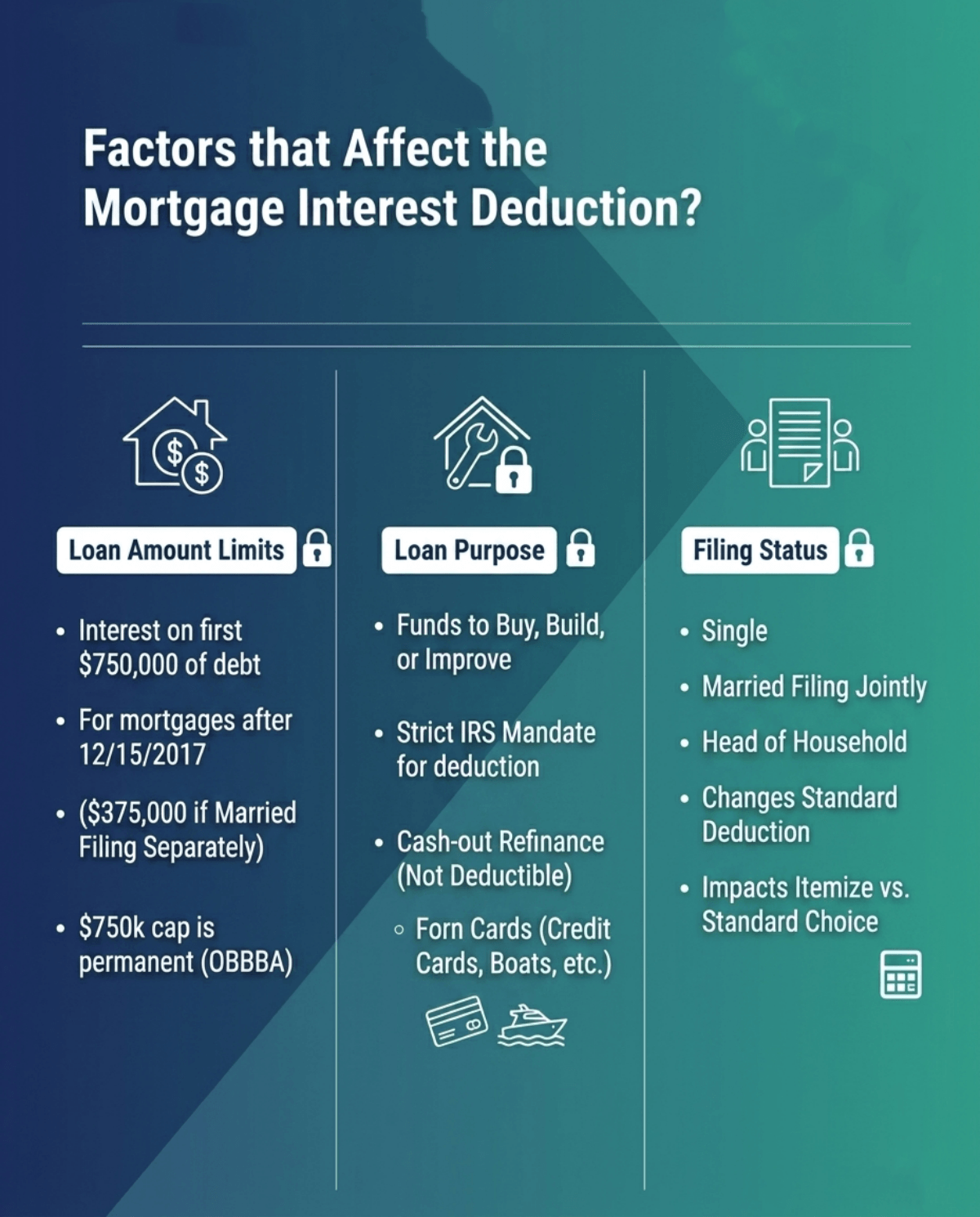


![[Solved] What Percentage of Income Should Go to Mortgage?](https://cdn.prod.website-files.com/6731bc6e813a541b54c30b10/69fb04673c68d49bdec77637_what-percentage-of-income-should-go-to-mortgage-banner.png)